The Baltic Revolution
The Lithuanian Revolution Gallery
Since World War II, the Kremlin maintained that Lithuania, Latvia, and Estonia had willingly joined the Soviet Union.
For the Baltic peoples, decades of resistance told a very different story.
Lithuanians fought an underground war against Soviet occupation from 1944 to 1956, while dissent and resistance continued in different forms for decades. By the late 1980s, a new kind of opposition emerged. Lithuania, Latvia, and Estonia built mass national movements that used culture, peaceful protest, political organizing, and democratic elections to challenge Soviet rule.
In Lithuania, Sąjūdis transformed from a reform movement into a powerful force for national independence. In 1990, Sąjūdis-backed candidates won a majority in Lithuania’s first competitive elections to the Supreme Council, which restored the independent Republic of Lithuania on March 11.
Moscow refused to accept Lithuania’s decision.
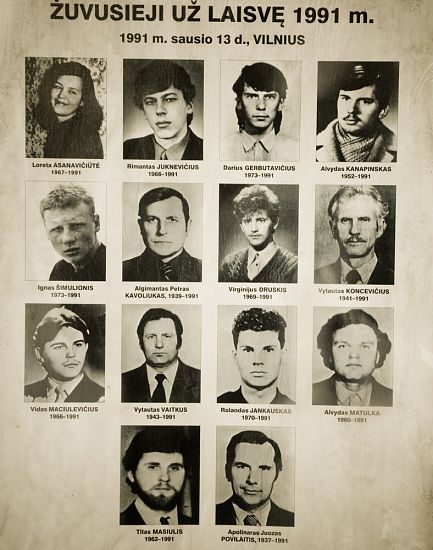
On January 13, 1991, Soviet forces attacked civilians and seized strategic sites in Vilnius, killing 14 people and injuring hundreds. Yet Lithuanians continued to defend their government through overwhelmingly nonviolent resistance, while international attention and support grew.
The Baltic Revolution is a testament to the power of truth, collective action, and ordinary people to change the course of history.
This gallery captures key moments in Lithuania’s struggle for freedom—when people took to the streets, challenged Soviet authority through peaceful protest and democratic action, and reclaimed the right to determine their own future.
1987 – 08 – 23
The 'Lithuanian Liberty League' (established in 1978 as an underground resistance group), led by Antanas Terleckas, organized the first public anti-Soviet protest on the anniversary of the 1939 Molotov-Ribbentrop Pact. Such protests were still illegal in the USSR. They were monitored by the KGB police, but the rally continued without KGB interference.
Photo: Marijonas Baranauskas
1987 – 08 – 23
The 'Lithuanian Liberty League' (established in 1978 as an underground resistance group), led by Antanas Terleckas, organized the first public anti-Soviet protest on the anniversary of the 1939 Molotov-Ribbentrop Pact. Such protests were still illegal in the USSR. They were monitored by the KGB police, but the rally continued without KGB interference.
Photo: Marijonas Baranauskas
1988
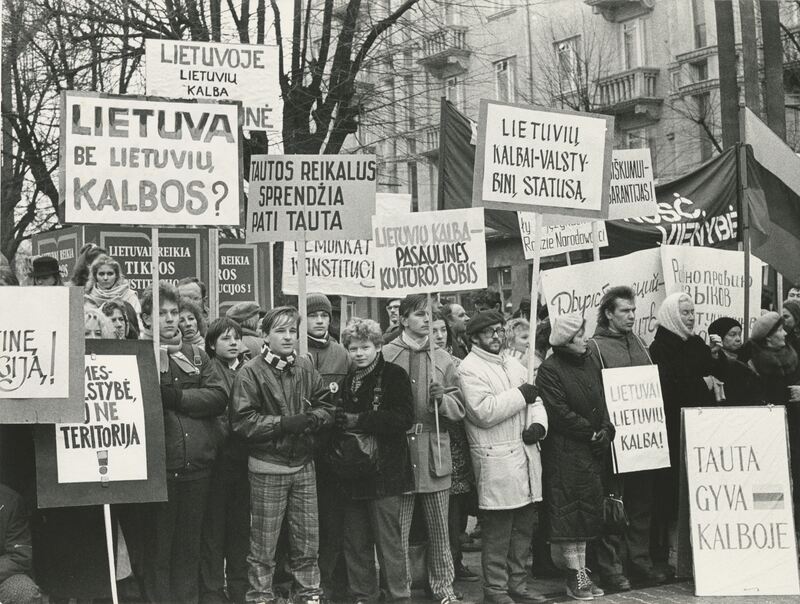
"Lithuania without the Lithuanian Language?" Lithuanians protested at the Supreme Council to support the Lithuanian language as Lithuania's official language. Since the Soviet occupation, Russian was made the official language.
Photo: Marijonas Baranauskas
1988 – 06 – 24
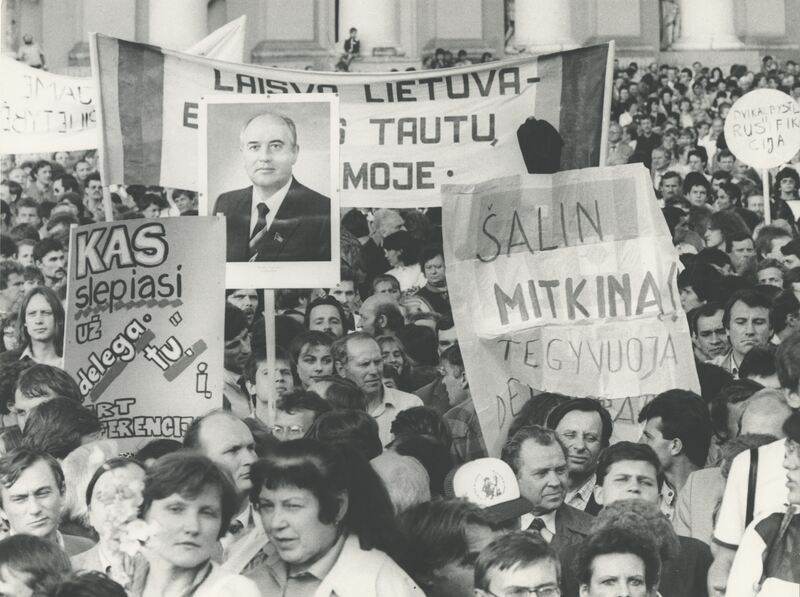
Lithuanians held a rally to encourage their Communist Party leadership, among them Algirdas Mykolas Brazauskas — then Secretary for Industry of the Lithuanian Communist Party - before they left for Moscow for the 19th Communist Party Conference to act in the interests of Lithuania, including to support Lithuanian independence. During the Party conference, Gorbachev unveiled the plan to create a new "Congress of People's Deputies," where, although Communist Party members would still hold a majority, some "approved" non-party candidates could run. This would create a near future in which the power of the old die-hard Stalinists would be challenged.
Photo: Marijonas Baranauskas
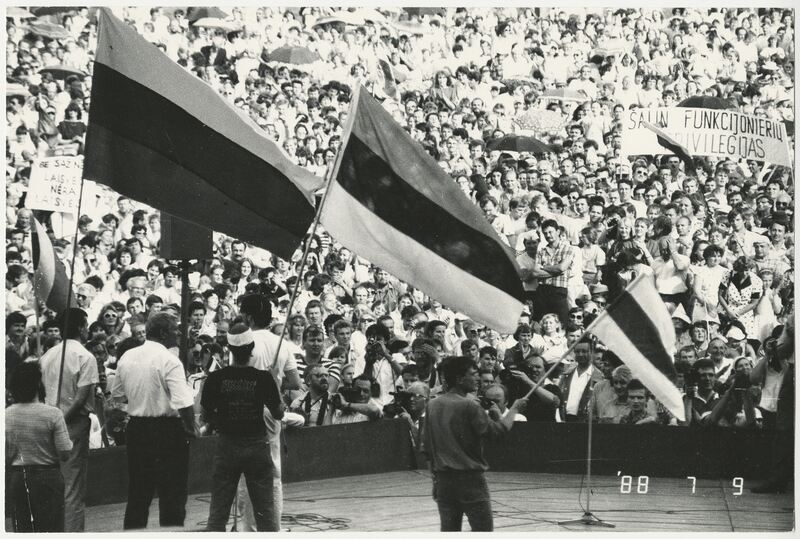
1988 – 07 – 09
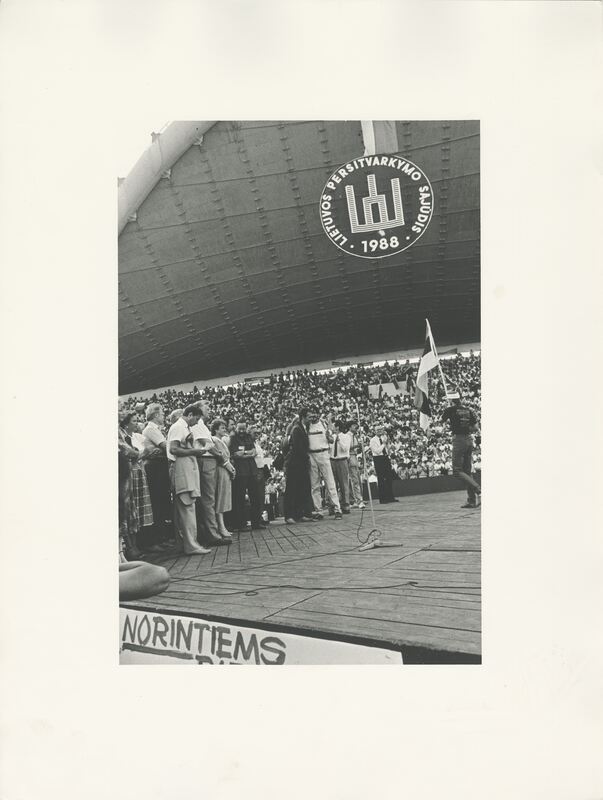
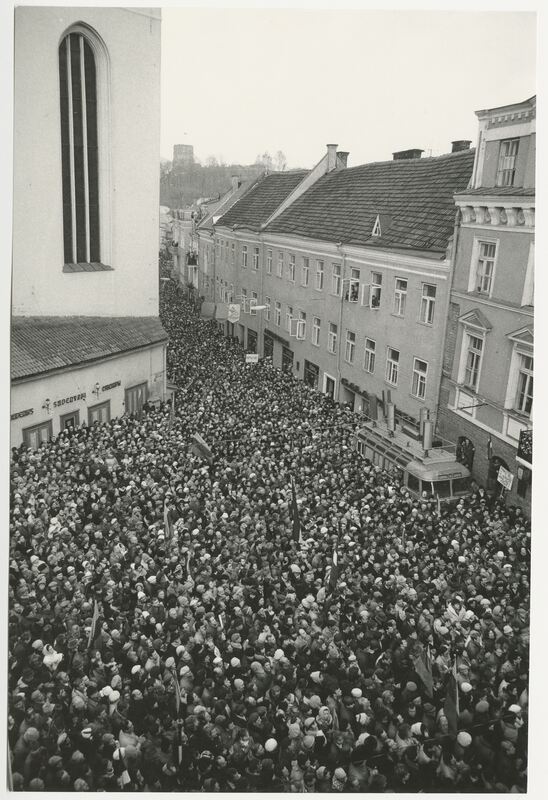
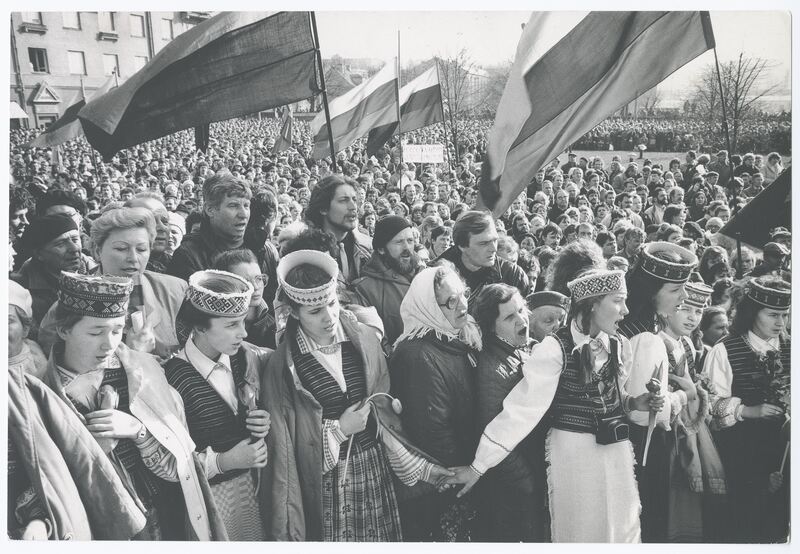
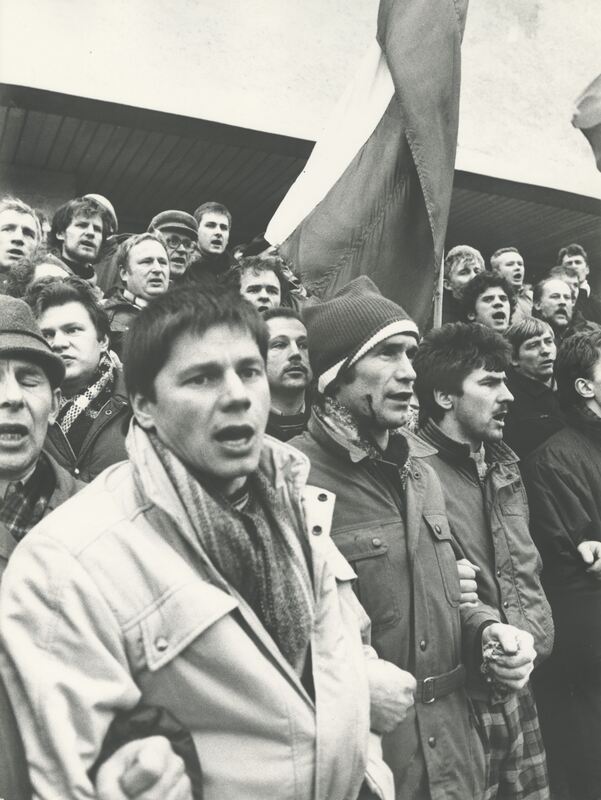
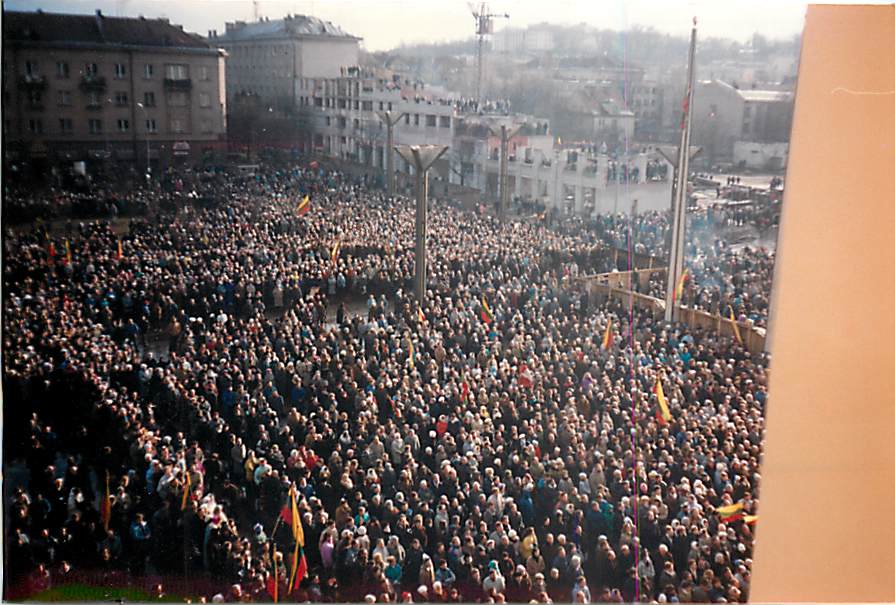
After Sajūdis was officially established on June 3, 1988, they began to organize rallies. At first, people were a little afraid to attend since they were not sure how the Kremlin would respond. About 10,000 attended the first rally, and when no one was arrested, the rallies grew exponentially. In this photo, a month later, over 100,000 people attended.
Photo: Vytautas Janulis
1988 – 07 – 09
The pre-Soviet independent Lithuanian, Estonian, and Latvian flags on stage at the Sajūdis rally at Vingis Park. The Soviets had banned these flags, and in the past, displaying them meant being arrested. Waving them in public like this challenged the validity of the Kremlin's authority in the Baltic nations.
Photo: Zenonas Nekrošius
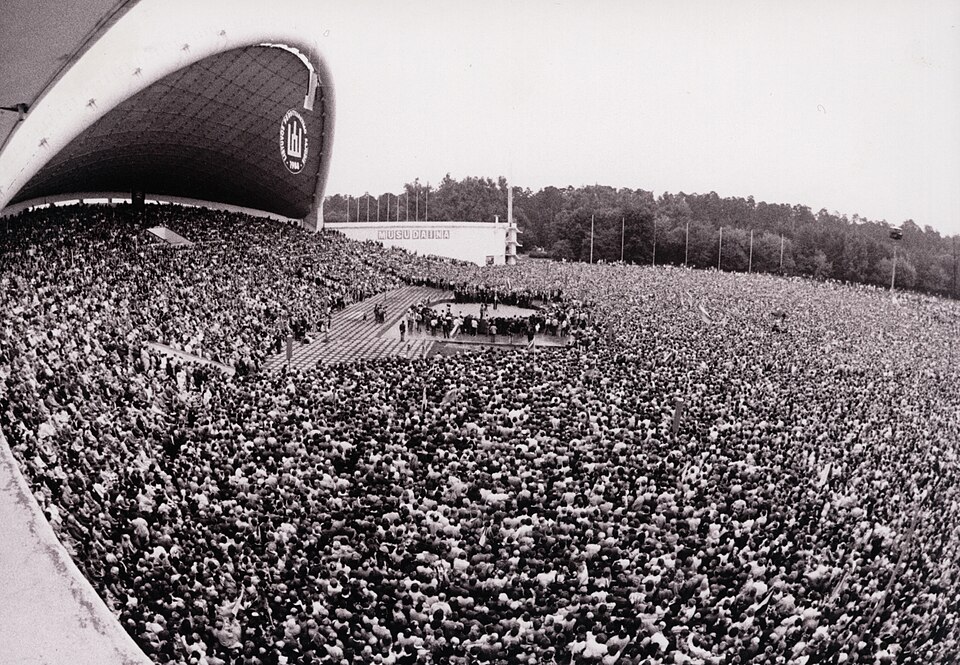
1988 – 08 – 23
Sajudis rally of over 250,000 Lithuanians at Vingis park in Vilnius to condemn the 1939 Molotov-Ribbentrop Pact which led to the illegal incoporation of Lithuanian into the USSR.
Author unknown
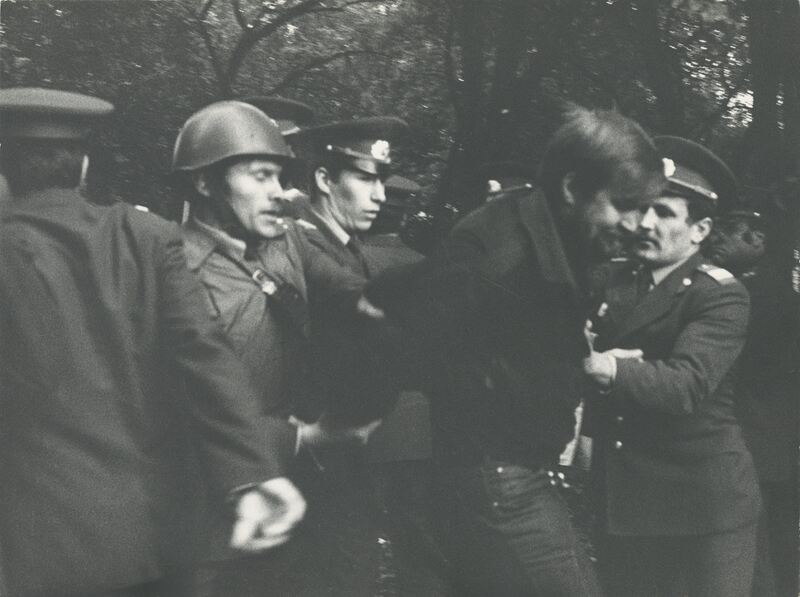
1988 – 09 – 28
The Lithuanian Freedom League held an anti-Soviet rally on the anniversary of the 1939 Molotov-Ribbentrop Pact Secret Protocol amendment that reassigns Lithuania from the German to the Soviet sphere of influence. The KGB police clashed with the rally participants, beating them and arresting them.
Photo: Marijonas Baranauskas
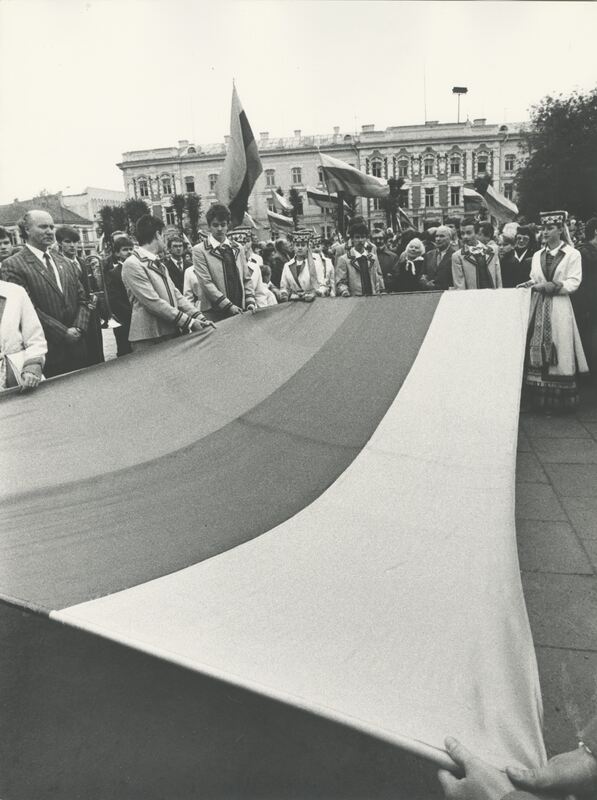
1988 – 10 – 07
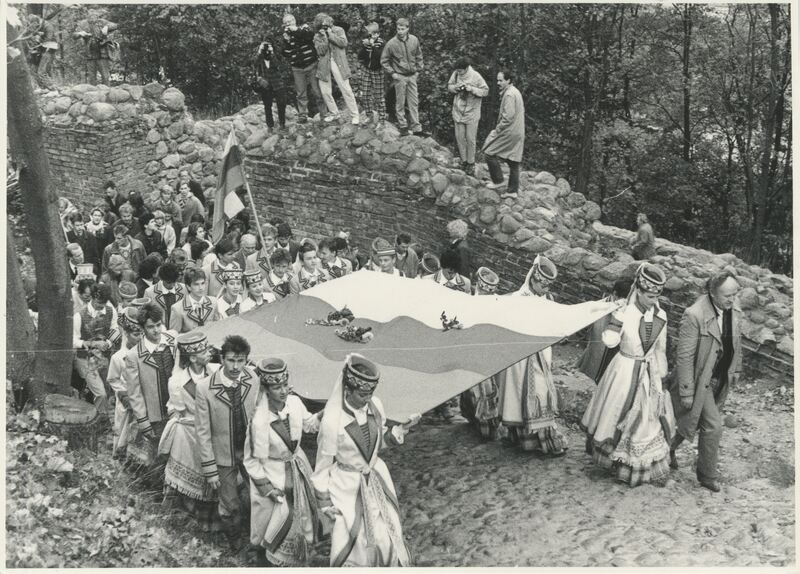
The Lithuanian Supreme Council (parliament) reinstates Lithuanian as the official language of Lithuania, and the pre-Soviet Lithuanian National Anthem and flag. Lithuanians gathered throughout the country to raise the flag, this one in Vilnius atop Gediminas Tower.
Photo: Marijonas Baranauskas
1988 – 10 – 07
Lithuanians carry the newly restored and official pre-Soviet Lithuanian flag on Gediminas Hill in Vilnius to the tower.
Photo: Raimundas Urbonas
1988 – 10 – 22
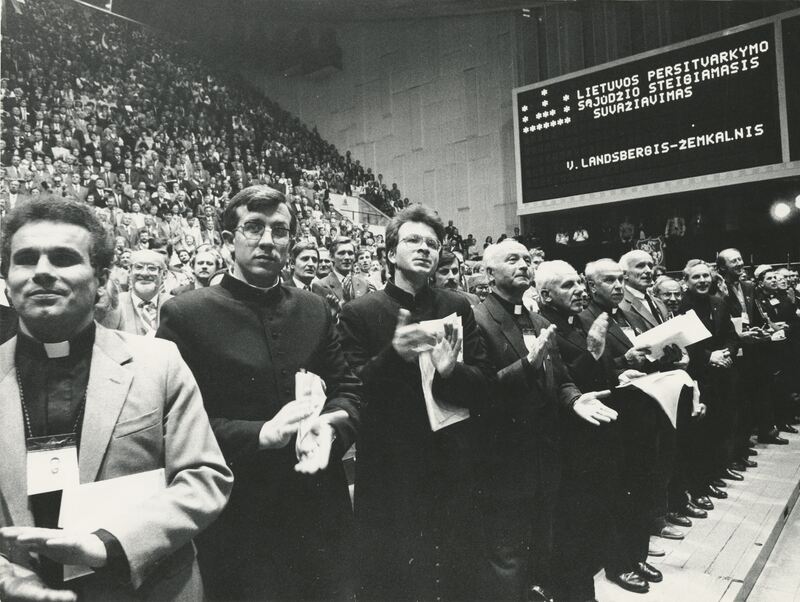
Sajūdis holds its first Congress Conference to solidify its political platform, including seeking a path to restore Lithuanian Independence.
Photo: Marijonas Baranauskas
1988 – 10 – 23
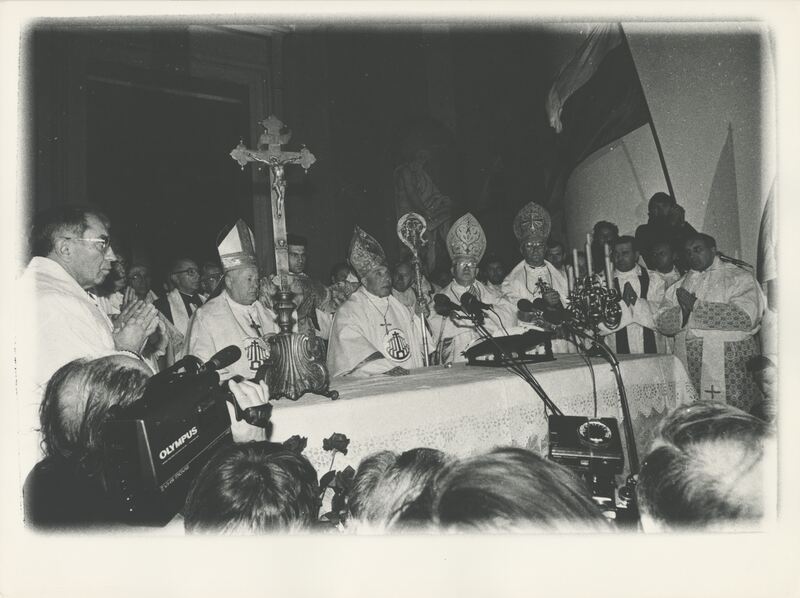
During the Sajūdis Congress, Lithuanian Communist Party Chief Brazauskas announced that the churches would be returned to the Catholic Church. The Kremlin took possession of them at the start of the occupation and banned the Catholic Church, but the people still practiced their faith behind closed doors. After Brazuaskas' announcement, the people and Catholic Church leaders held a Mass on the footsteps of the Cathdral in Vilnius.
Photo: Marijonas Baranauskas
1989 – 02 – 16
Lithuanians gather at the site of the signing of the 1918 Lithuanian Act of Independence to sing the Lithuanian National Anthem, the first time legally since the Soviet occupation.
Photo: Marijonas Baranauskas
1989 – 02 – 16
Lithuanians gather at the site of the signing of the 1918 Lithuanian Act of Independence to sing the Lithuanian National Anthem, the first time legally since the Soviet occupation.
Photo: Zenonas Nekrošius
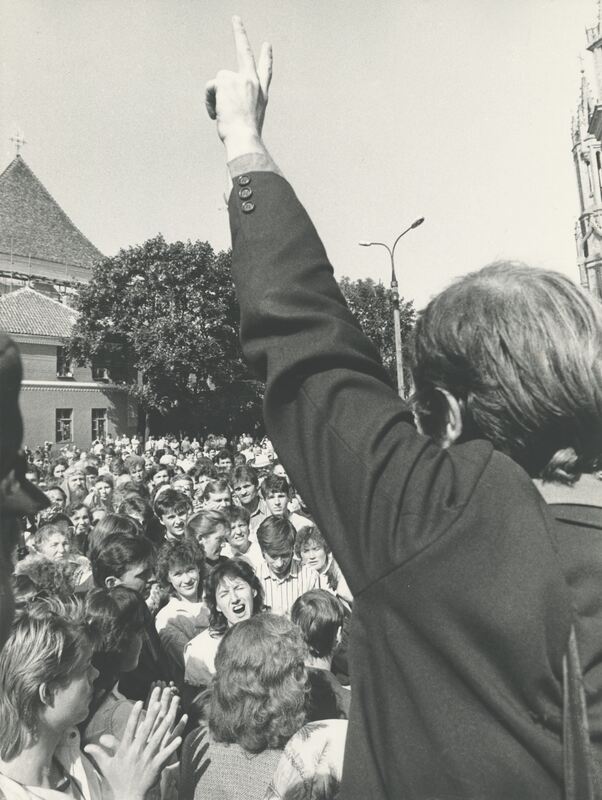
1989 – 04 – 23
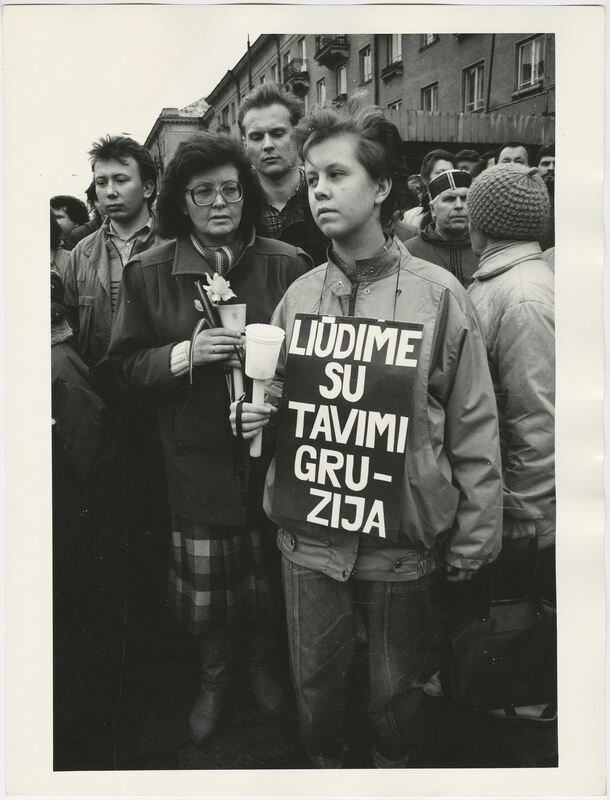
"We Grieve with You, Georgia." Lithuanians rally in support of the people of Georgia in the aftermath of the Soviet military massacre in Tbilisi on April 9, 1991, during a pro-independence anti-Soviet demonstration. The Soviet army killed twenty-one civilians, injured several hundred, and arrested hundreds more.
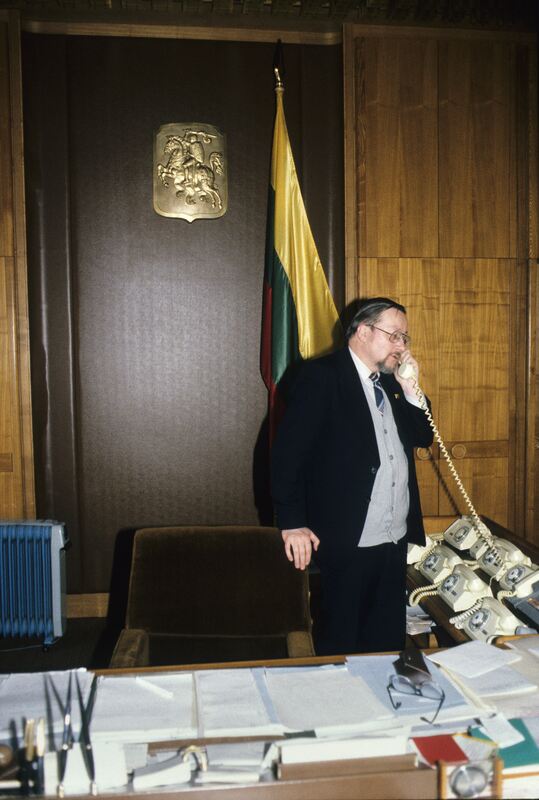
Photo: Zenonas Nekrošius
1989 – 08 – 23
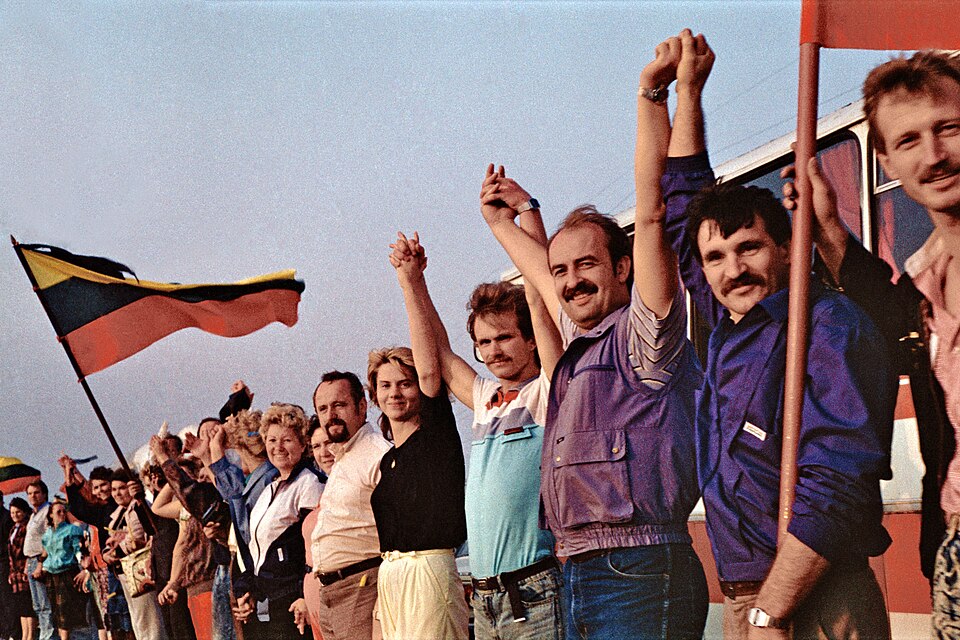
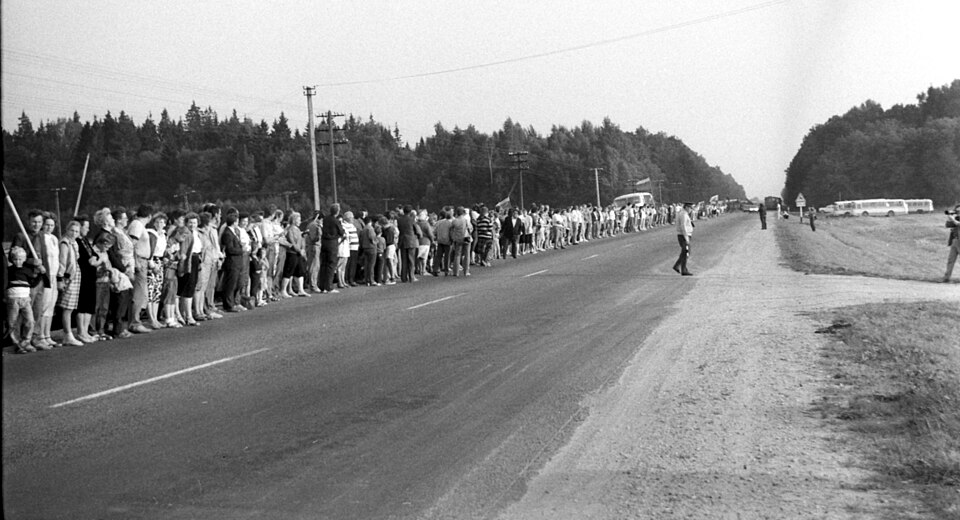
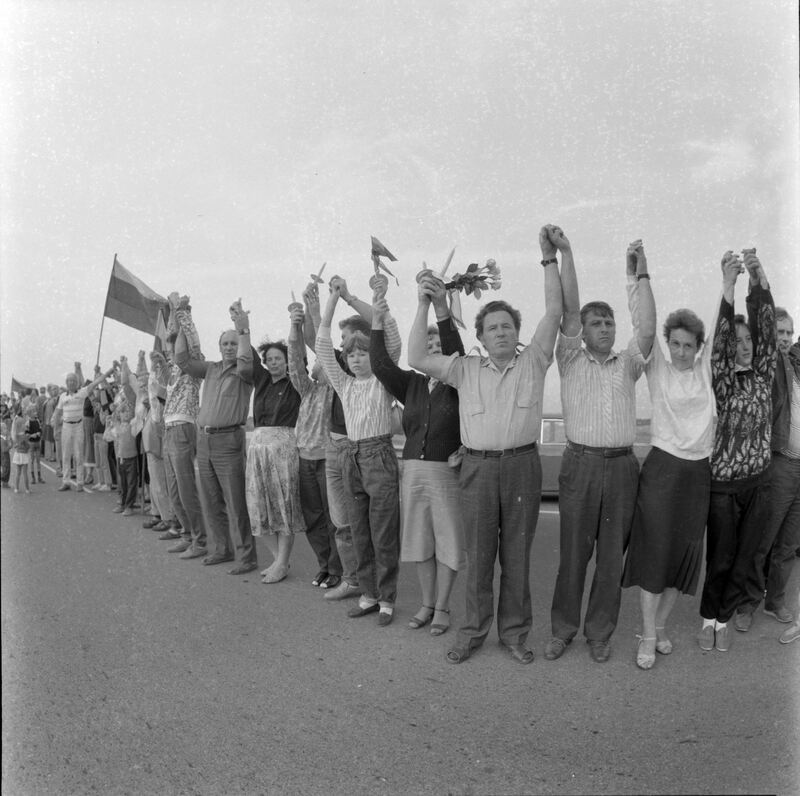
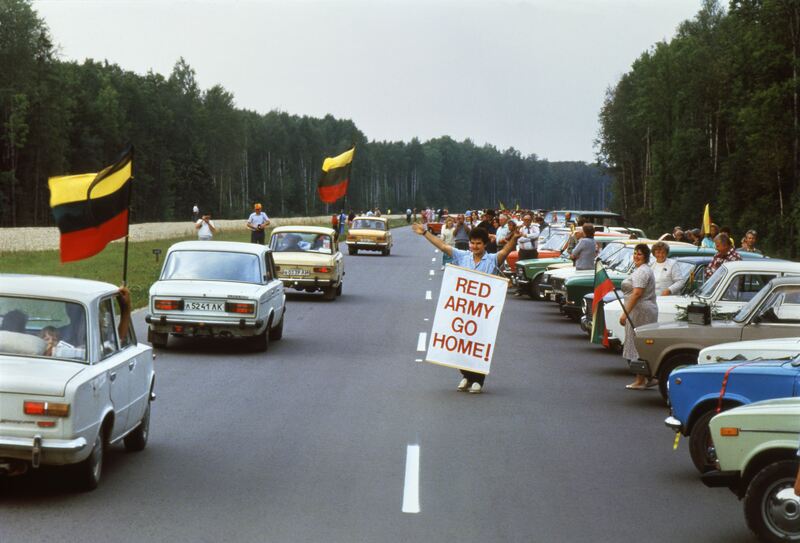
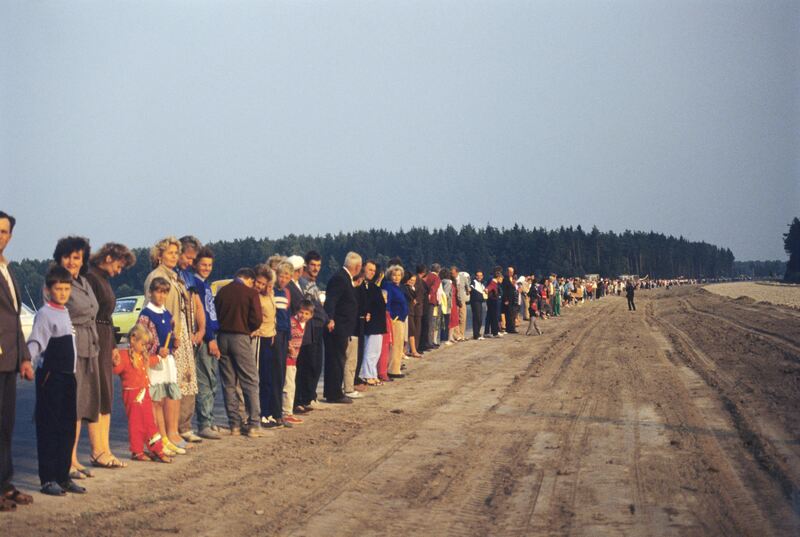
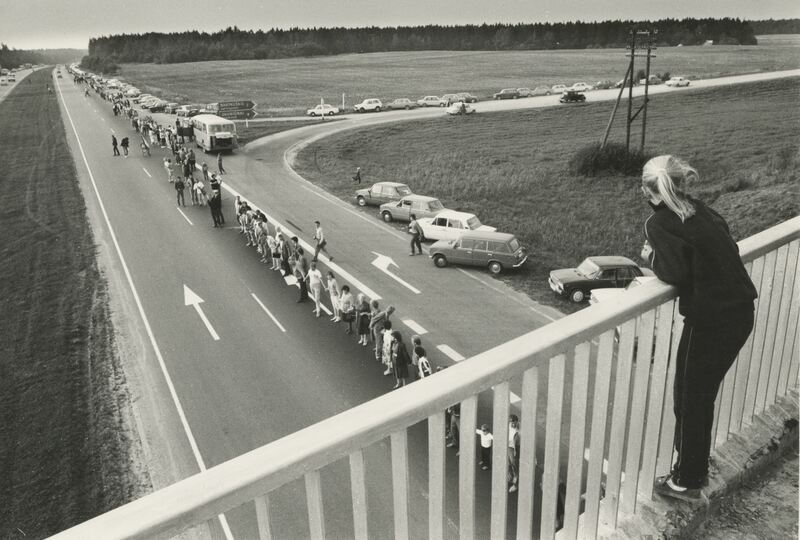
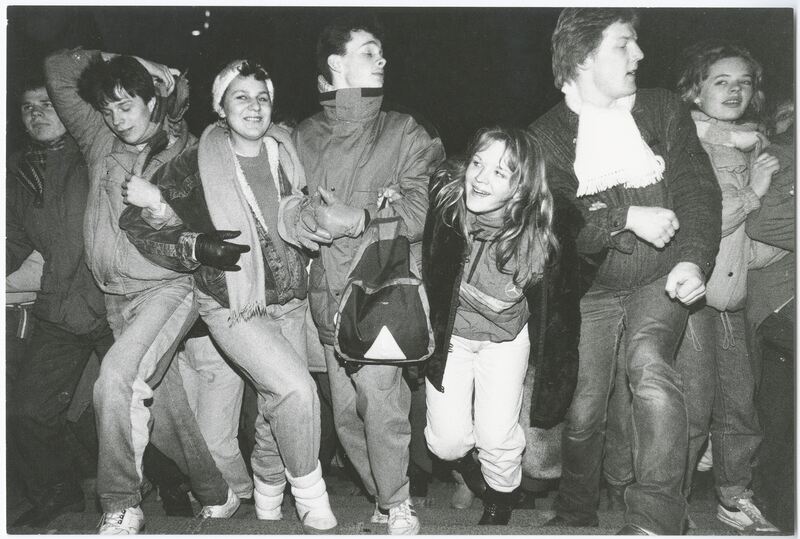
Lithuanians, Latvians, and Estonians held hands across their three nations in The Baltic Way demonstration against the 1939 Molotov-Ribbentrop Pact.
Photo: Kusurija
1989 – 08 – 23
Lithuanians, Latvians, and Estonians hold hands across their three nations to protest the 1939 Molotov-Ribbentrop Pact
Photo: Rimantas Lazdynas
1989 – 08 – 23
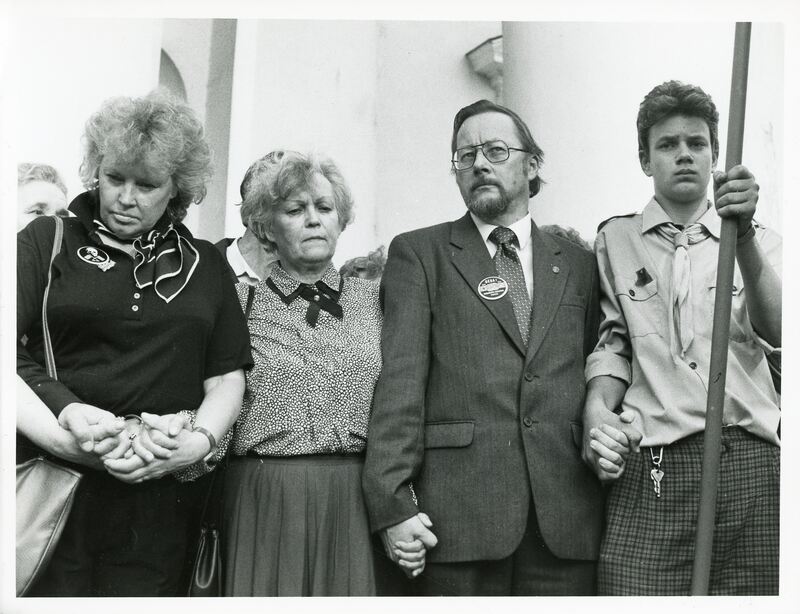
Vytautas Landsbergis and his wife Gražina hold hands in the Baltic Way demonstration at the Cathedral in Vilnius.
Photo: Giedrius Počius
1989 – 08 – 23
The Baltic Way demonstration
Photo: Česlovas Montvilla
1989 – 08 – 23
The Baltic Way
Photo: Romualdas Požerskis
1989 – 08 – 23
The Baltic Way
Photo: Romualdas Požerskis
1989 – 08 – 23
The Baltic Way
Photo: Julius Vaicekauskas
1990 – 01 – 11
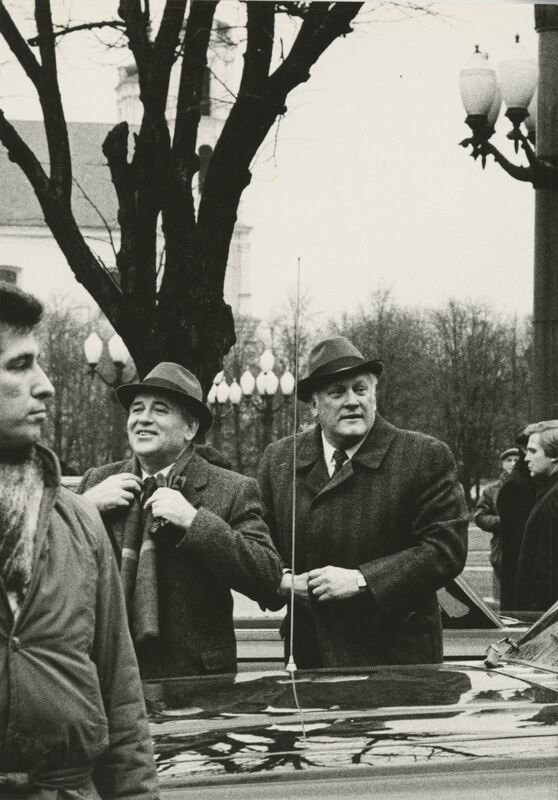
USSR leader Mikhail Gorbachev arrived in Vilnius. Algirdas Brazauskas, the leader of the Communist Party of Lithuania that broke away from the Kremlin, stands next to him. Gorbachev tried to persuade him to return to the fold, but Brazauskas refused.
Photo: Marijonas Baranauskas
1990 – 01 – 11
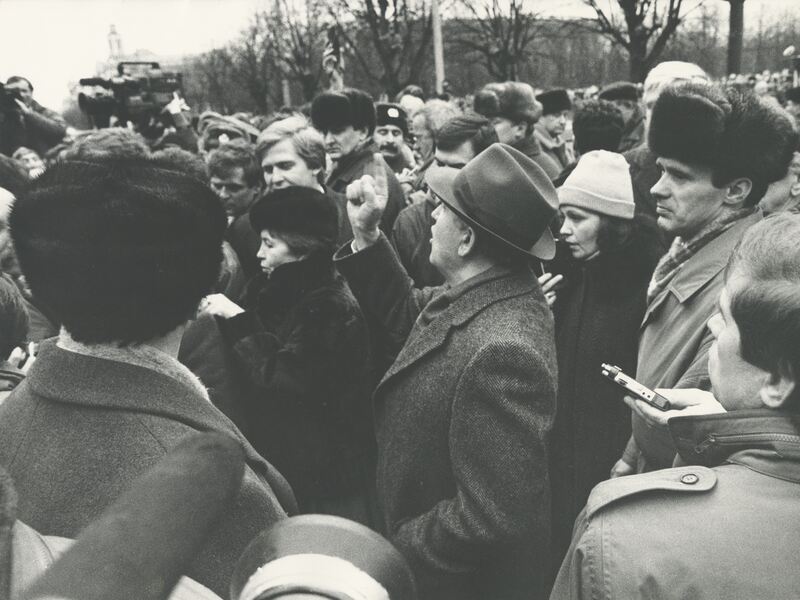
Mikhail Gorbachev arguing with Lithuanian civilians during his visit in Vilnius, stating that "Lithuania cannot survive on its own without Moscow."
Photo: Marijonas Baranauskas
1990 – 01 – 11
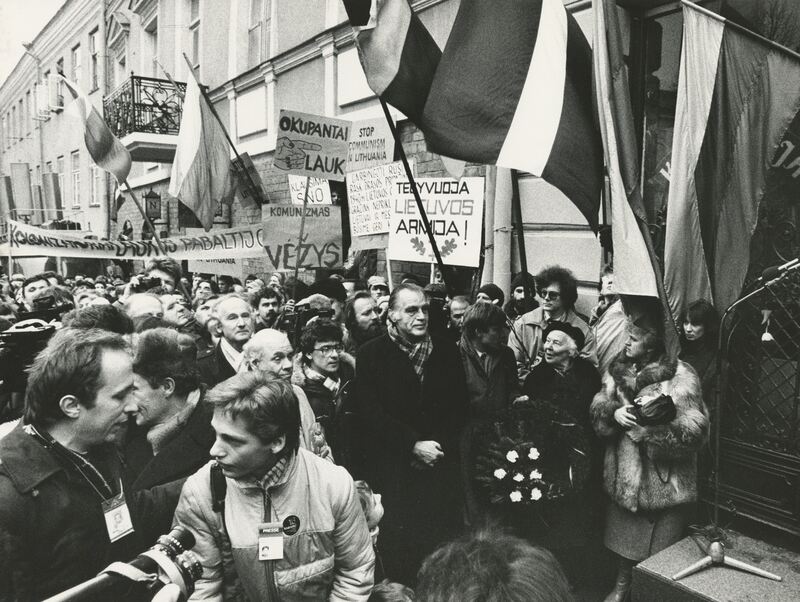
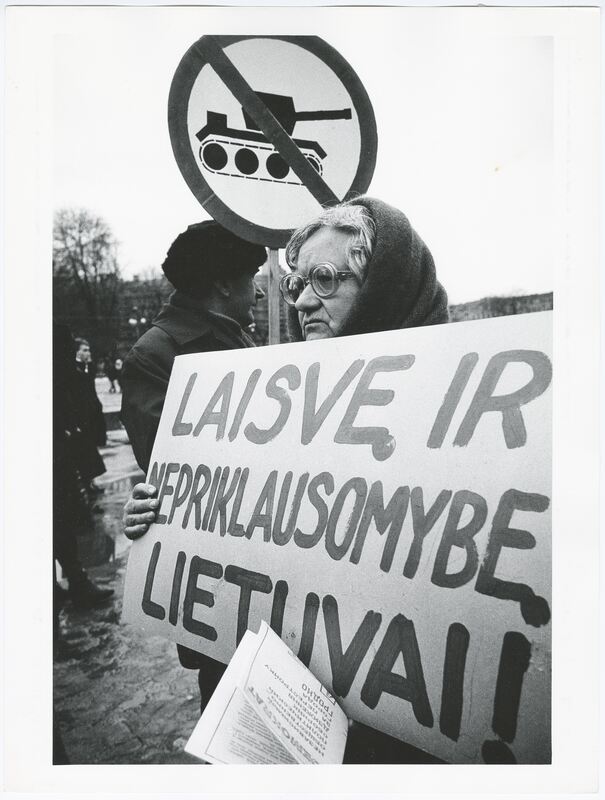
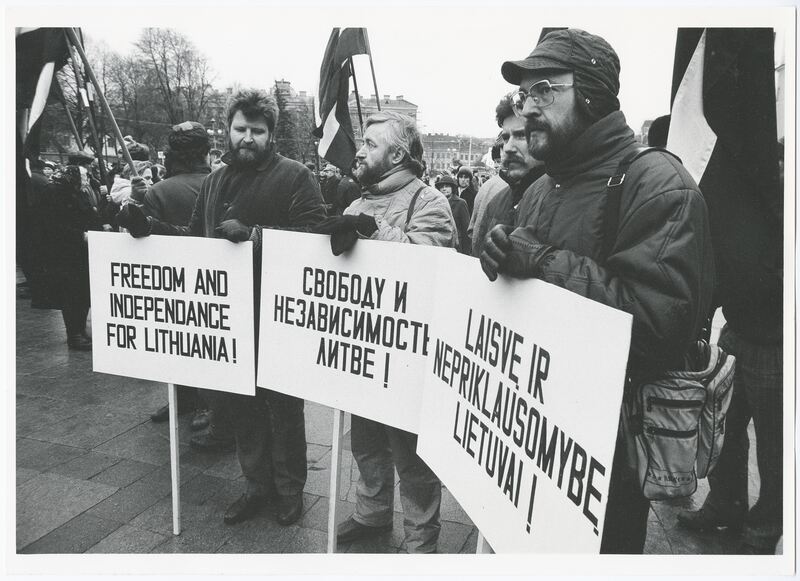
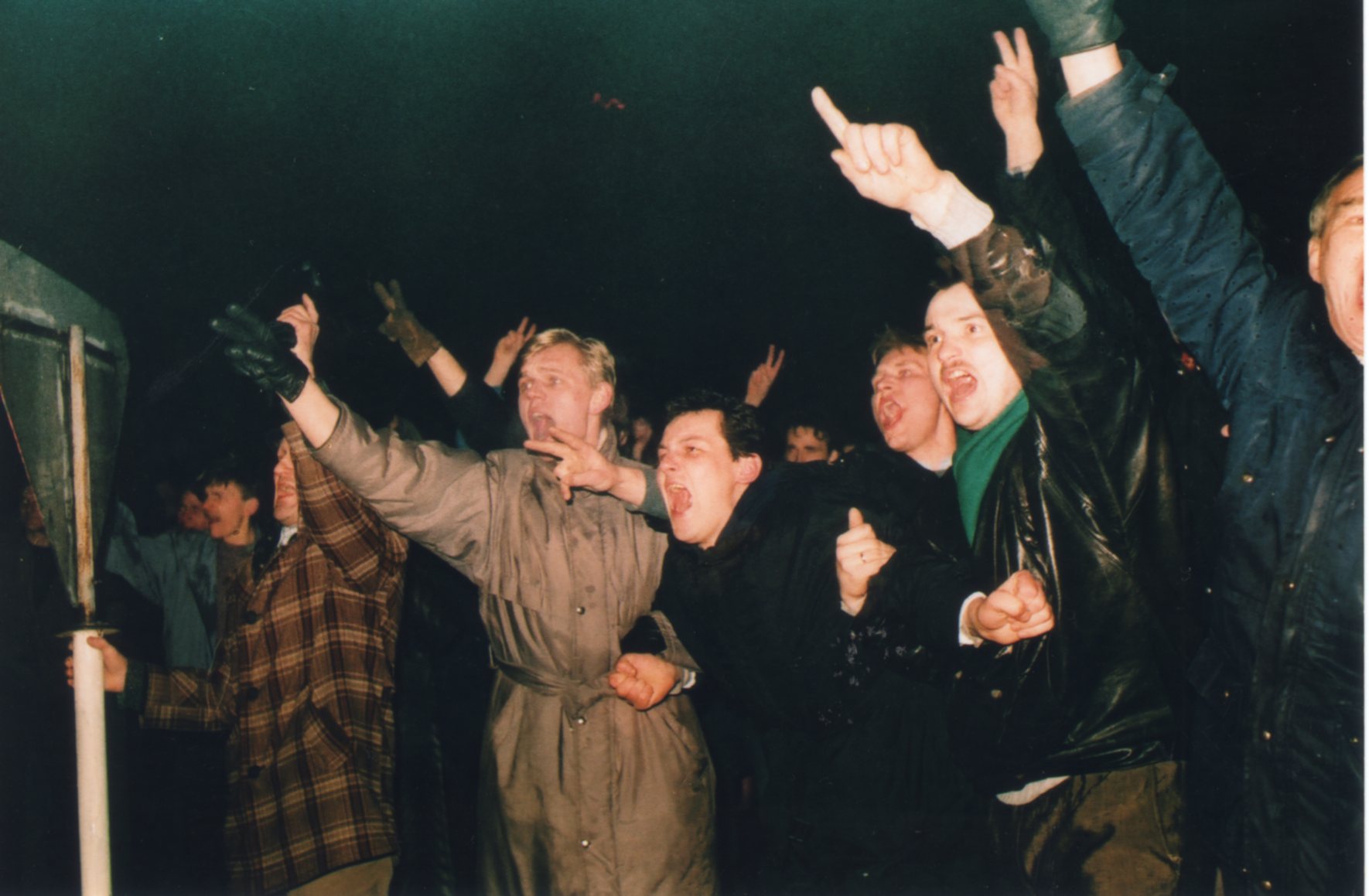
"Freedom and Independence for Lithuania!" The Lithuanian people gave Gorbachev a clear message when he visited Lithuania in an attempt to persuade Lithuanian communists to return to the party in Moscow and for the Lithuanian people to give up their ideas of independence.
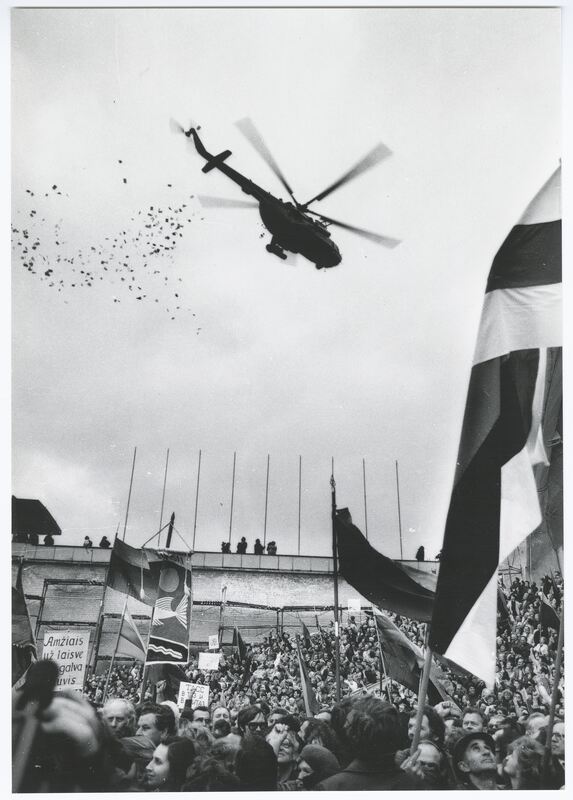
Photo: Zenonas Nekrošius
1990 – 01 – 11
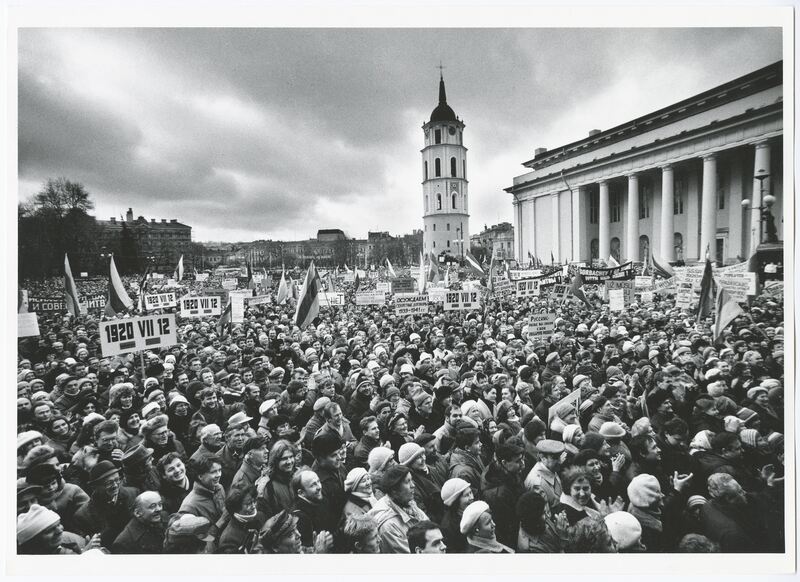
When Gorbachev arrived in Vilnius to talk Lithuanians out of reestablishing independence, Lithuanians invited Gorbachev to an anti-Soviet rally at the Cathedral Square in Vilnius. For some unknown reason, Gorbachev did not show up.
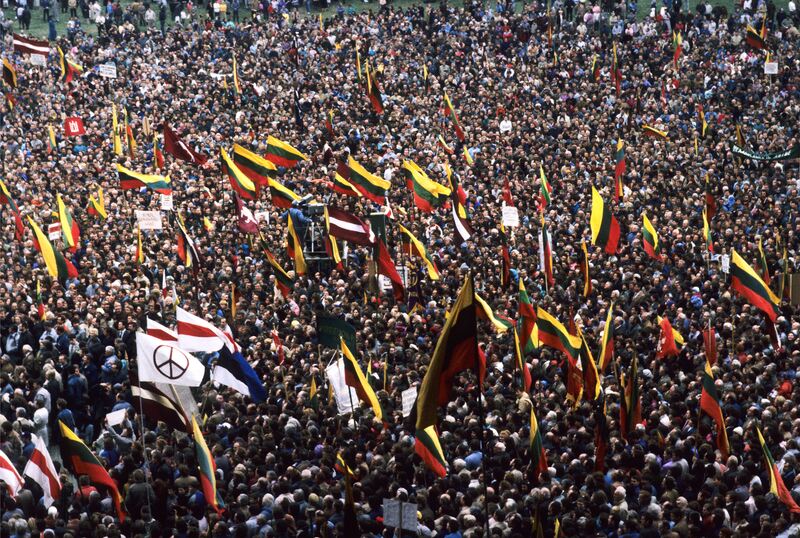
Photo: Zenonas Nekrošius
1990 – 01 – 11
When Gorbachev arrived in Vilnius, the people met him with peaceful greetings.
Photo: Zenonas Nekrošius
1990 – 01 – 11
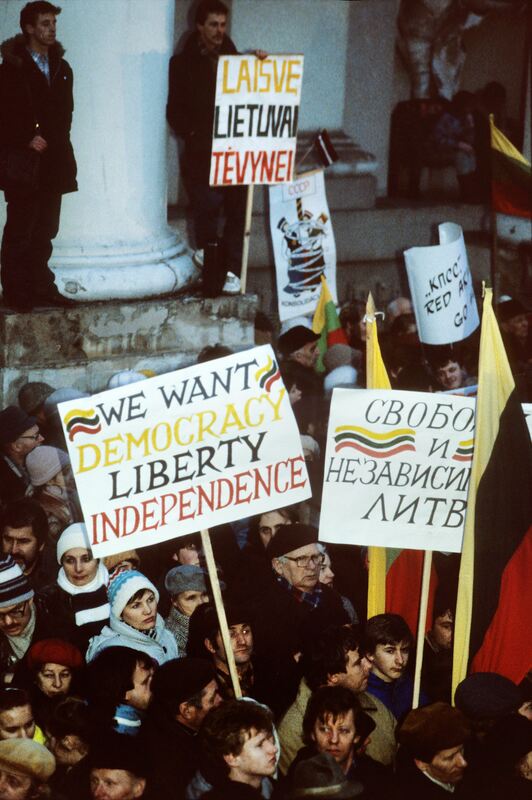
Lithuanians send a message to Gorbavev and the world at the rally at the Cathedral.
Photo: Romualdas Požerskis
1990 – 01 – 22
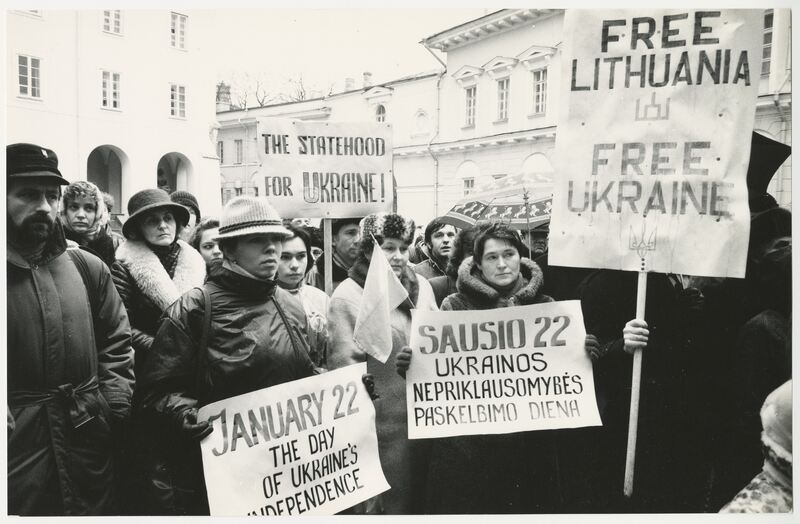
Lithuanians hold a rally to support Ukrainian independence on the anniversary of the 1918 Ukrainian Independence Act. Like Lithuania, Ukraine had been struggling for freedom against Russia for centuries.
Photo: Zenonas Nekrošius
1990 – 03 – 11
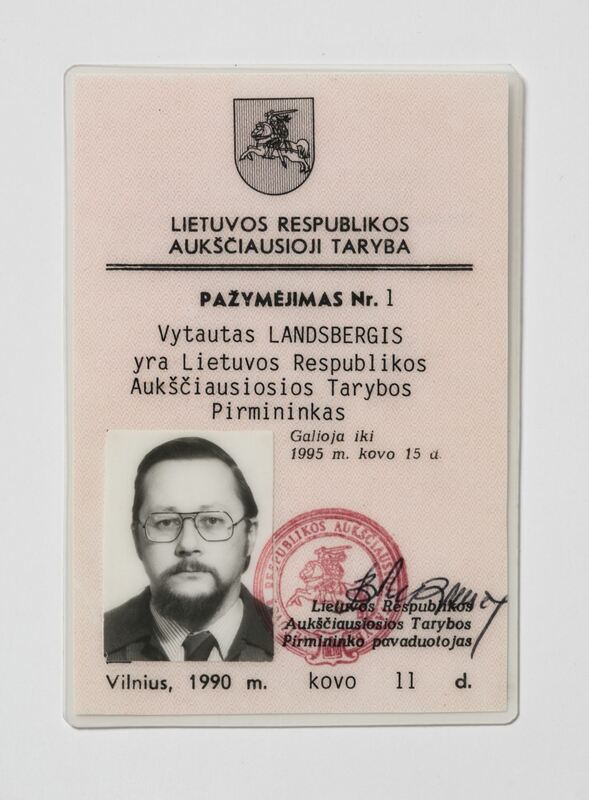
Vytautas Landsbergis' Supreme Council (parliament) ID card.
1990 – 03 – 11
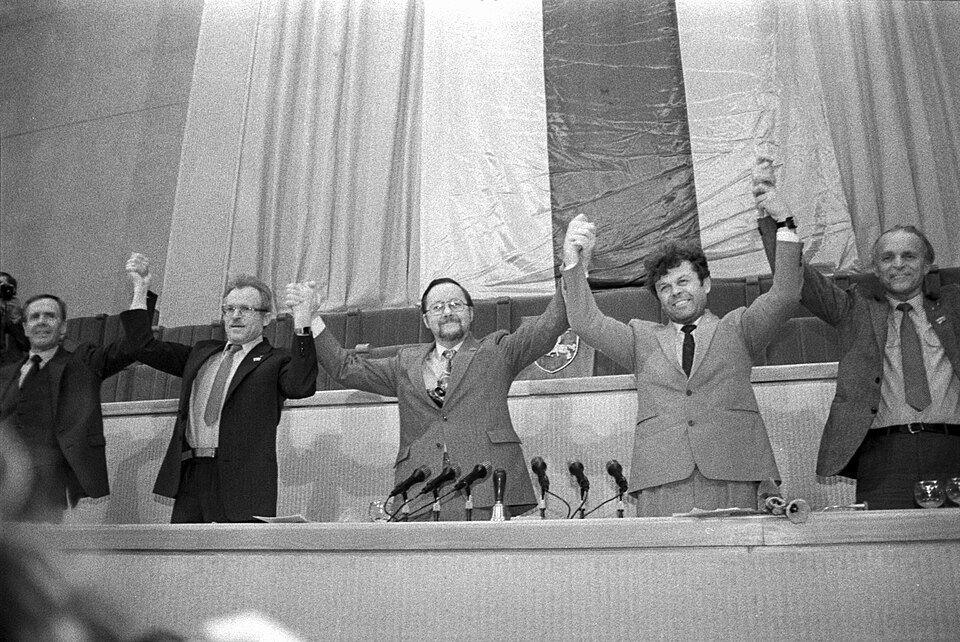
Leaders of the Lithuanian Supreme Council celebrating the reestablishment of Lithuanian independence.
Photographer Paulius Lileikis
1990 – 03 – 11
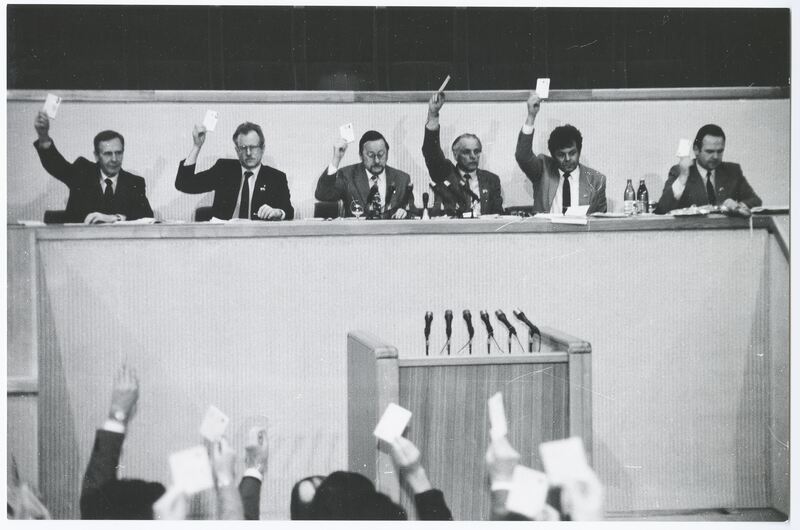
The newly elected Lithuanian Supreme Council (parliament) voted to reestablish Lithuanian Independence.
Photo: Zenonas Nekrošius
1990 – 03 – 11
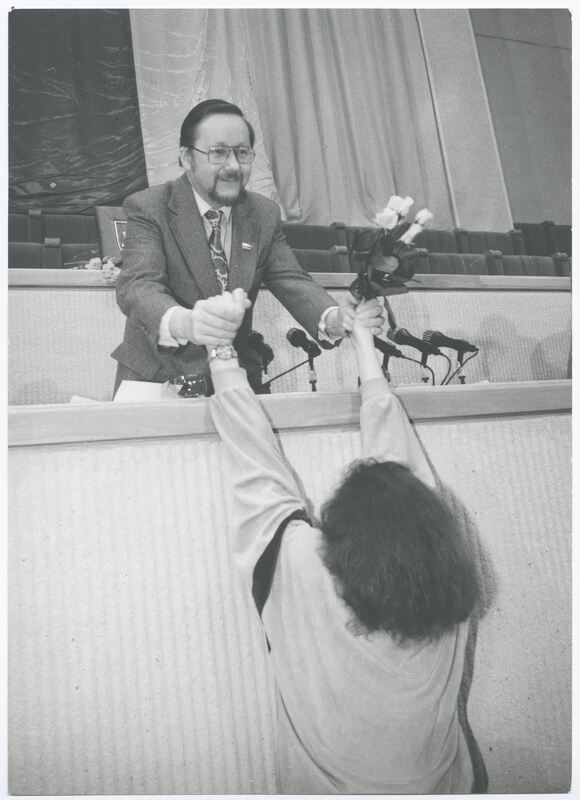
After reestablishing Lithuanian Independence, Vytautas Landsbergis is elected Chairman of the Lithuanian Supreme Council (parliament).
Photo: Zenonas Nekrošius
1990 – 03 – 11
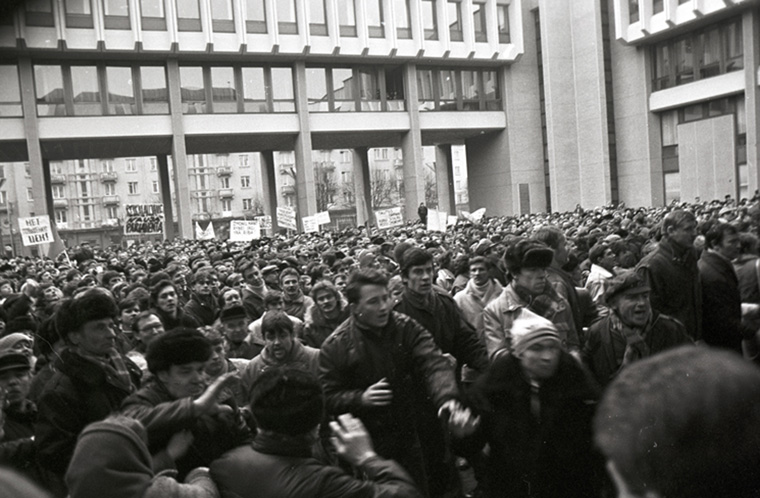
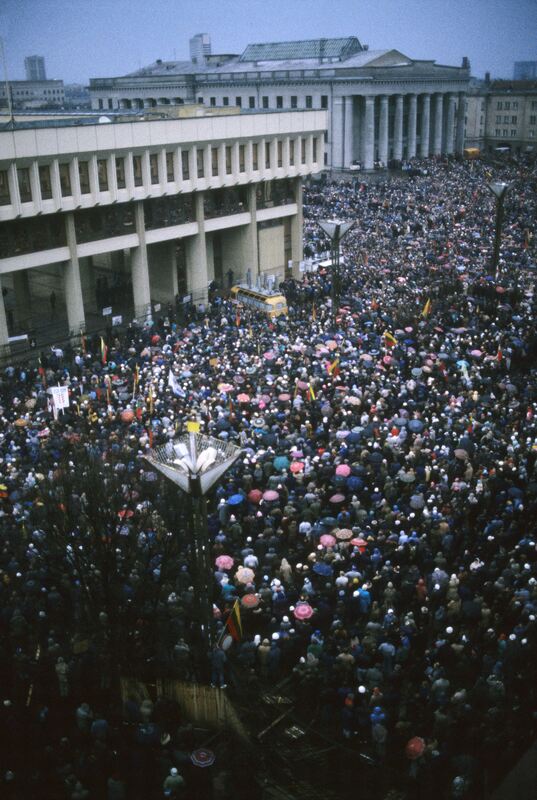
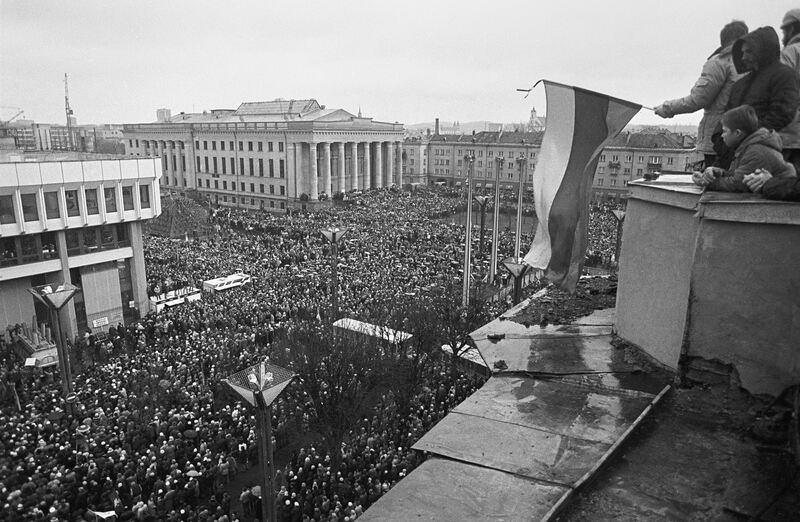
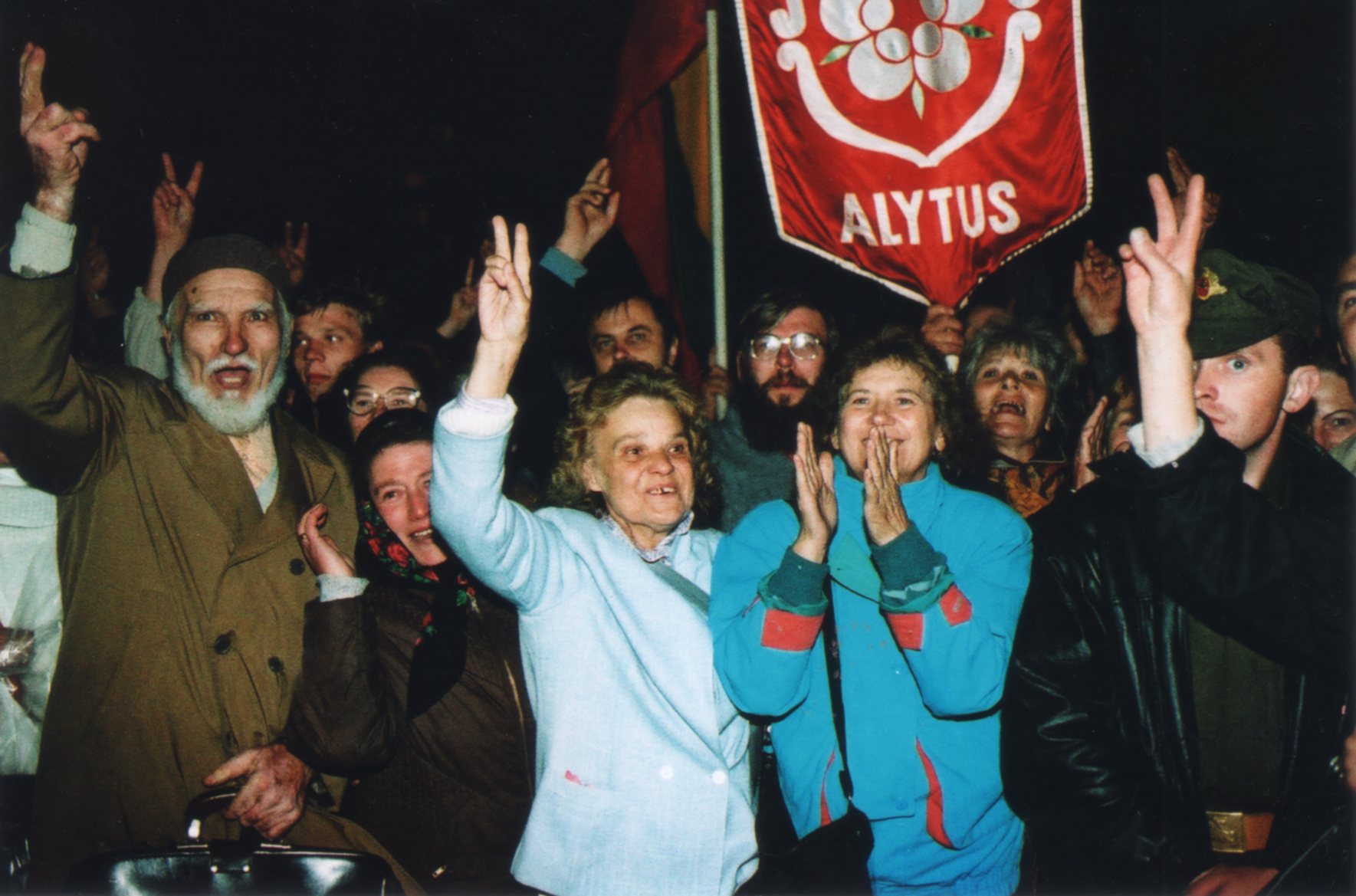
Lithuanians gathered at the Lithuanian Supreme Council (parliament) building to support the reestablishment of Lithuanian independence.
Photo: Zenonas Nekrošius
1990 – 03 – 11
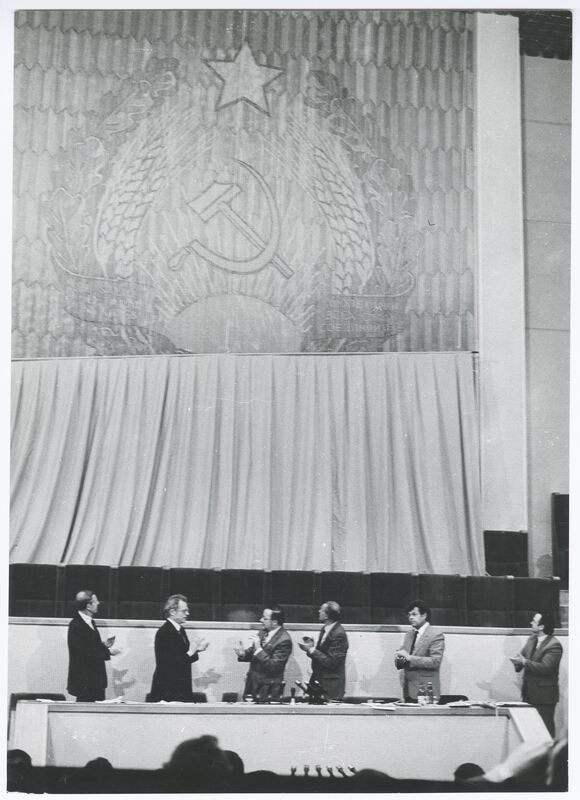
After Lithuania reestablished its independence, the symbols of the USSR were covered up and removed.
Photo: Zenonas Nekrošius
1990 – 03 – 12
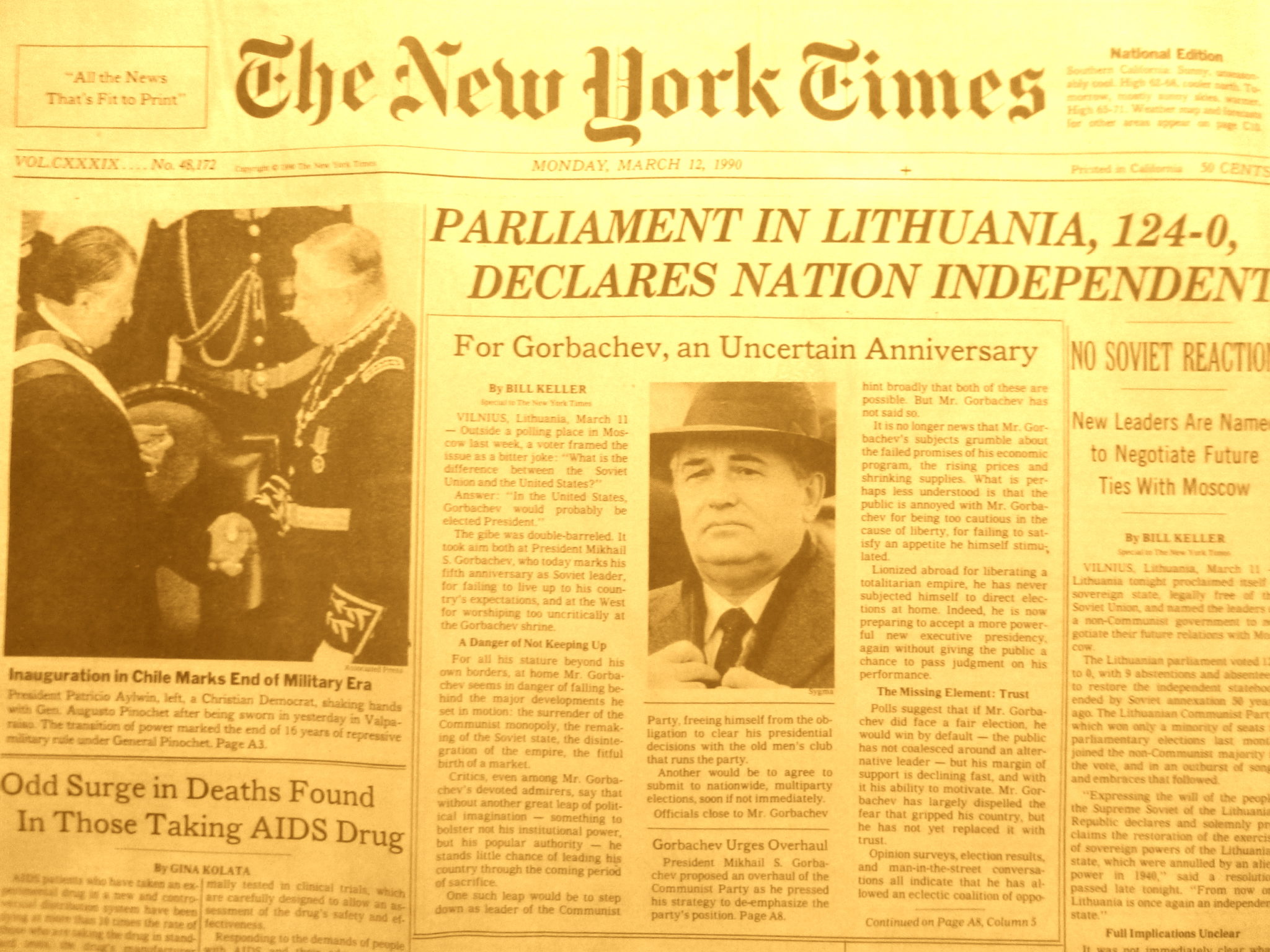
Lithuania's reestablishment of independence makes worldwide headlines.
1990 – 04 – 06
Vytautas Landsbergis working in his parliamentary office.
Photo: Romualdas Požerskis
1990 – 04 – 07
Mikhail Gorbachev condemned Lithuania's reestablishment of independence. The Kremlin began a campaign of intimidation and threats. During a rally where Lithuanians showed their support for independence, Soviet military helicopters hovered above and dropped leaflets threatening them, stating that supporting independence was treason and that they would be arrested.
Photo: Zenonas Nekrošius
1990 – 04 – 07
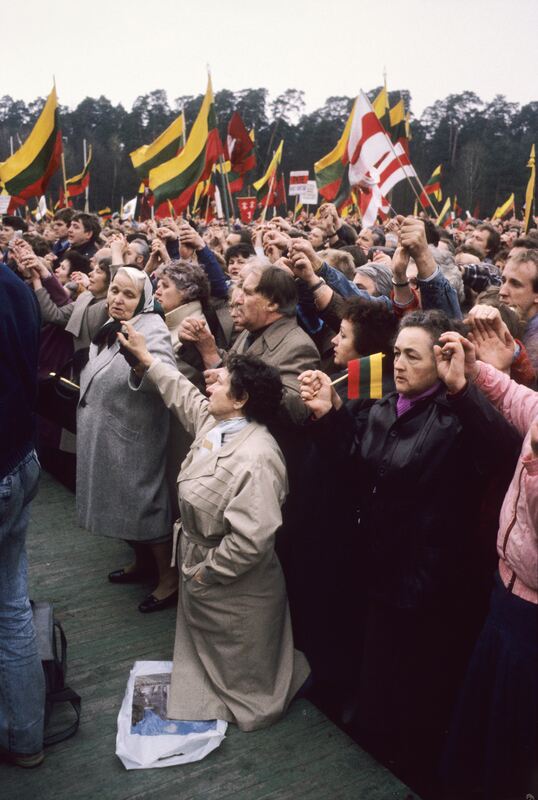
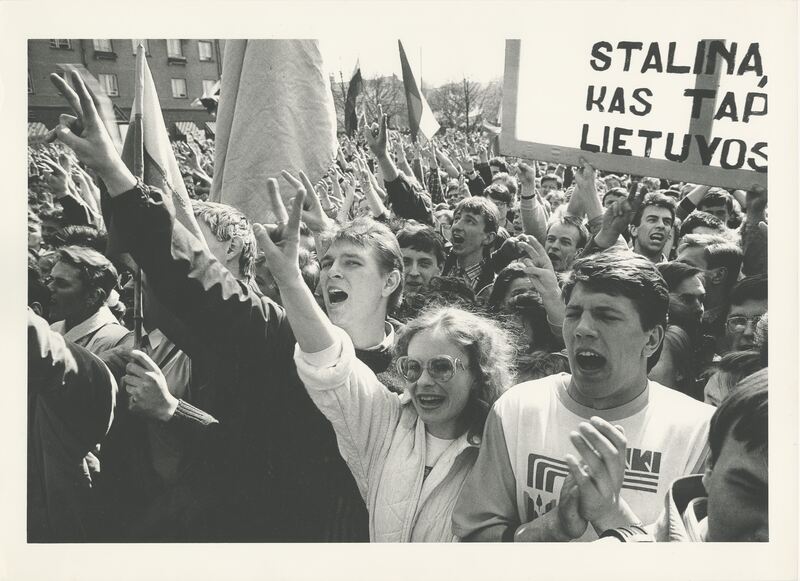
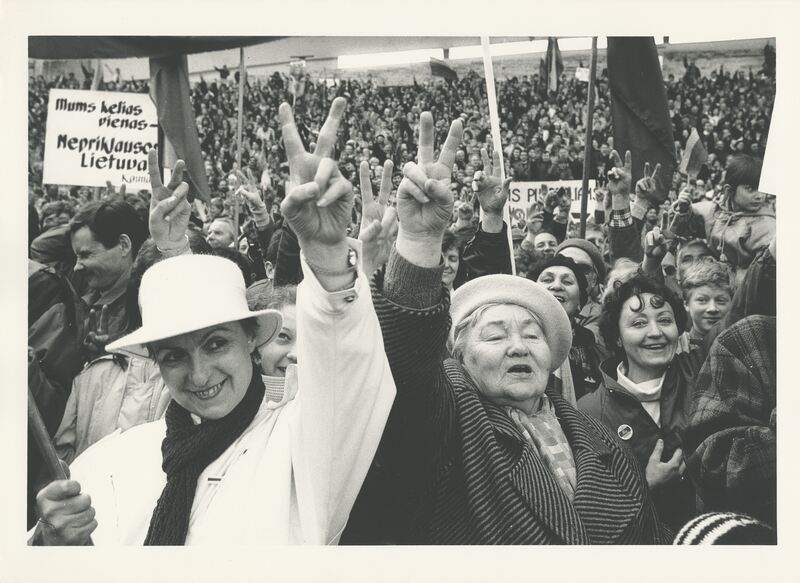
Over 250,000 Lithuanians gather at Vingis Park in Vilnius in support of Lithuanian independence.
Photo: Romualdas Požerskis
1990 – 04 – 07
Over 250,000 Lithuanians gather at Vingis Park in Vilnius in support of Lithuanian independence.
Photo: Romualdas Požerskis
1990 – 04 – 12
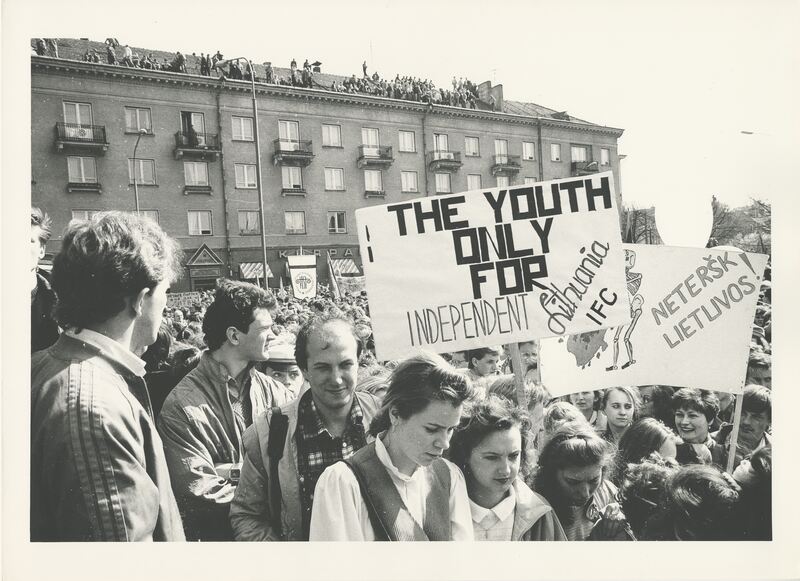
Despite Gorbachev's condemnation of Lithuanian independence and threats, Lithuanian students marched and held a demonstration at parliament in support of independence.
Photo: Zenonas Nekrošius
1990 – 04 – 12
Despite Gorbachev's condemnation of Lithuanian independence and threats, Lithuanian students marched and held a demonstration at parliament in support of independence.
Photo: Zenonas Nekrošius
1991 – 01 – 08
The Soviets bussed in people to break into the Parliament building. But Lithuanians arrived to form a human shield at the entrance, successfully and peacefully preventing them from entering.
1991 – 01 – 08
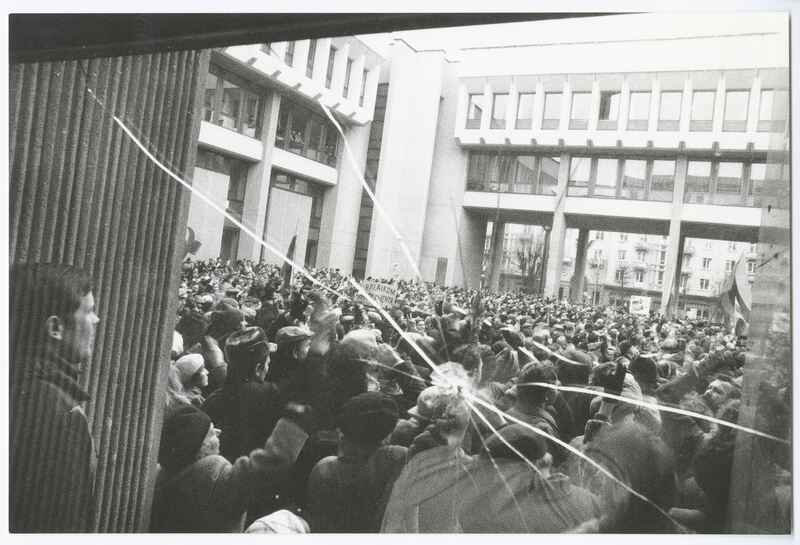
The Kremlin organized a protest of 8000 people at the Lithuanian parliament building, who attempted to storm the building. Landsbergis asked Lithuanian civilians to help, and 20,000 arrived, who surrounded the group, and managed to wedge themselves between the protestors and the building without any violence. The broken window in the photo was the damage caused by the protestors, and if you visit the parliament building today, you will see this window still broken, preserved as a testament to the fragility of freedom.
Photo: Zenonas Nekrošius
1991 – 01 – 11
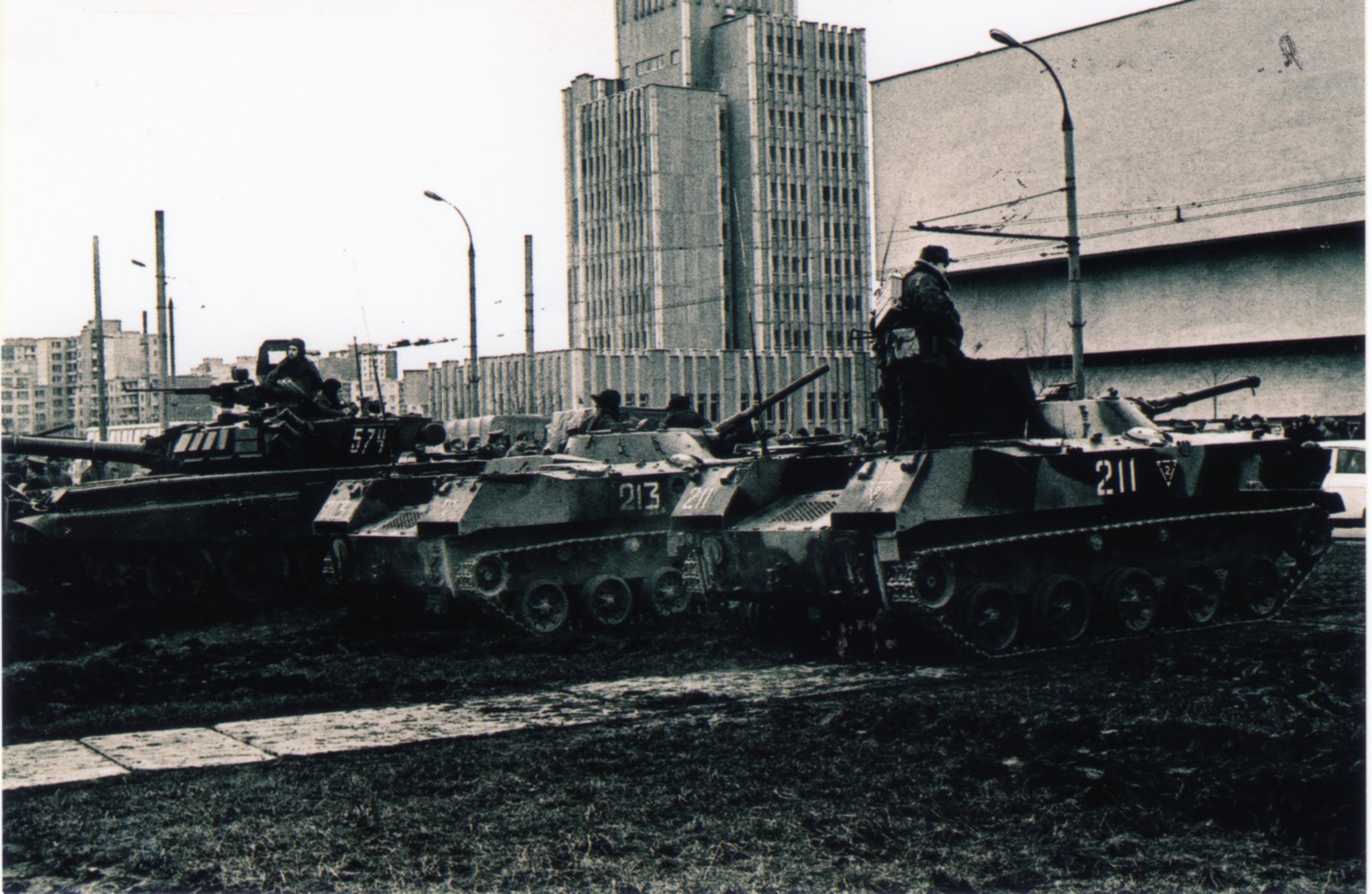
The Soviet military seized the Vilnius Publishing House to start a media blackout for the pending coup attempt.
Photo: M.Kulbis
1991 – 01 – 11
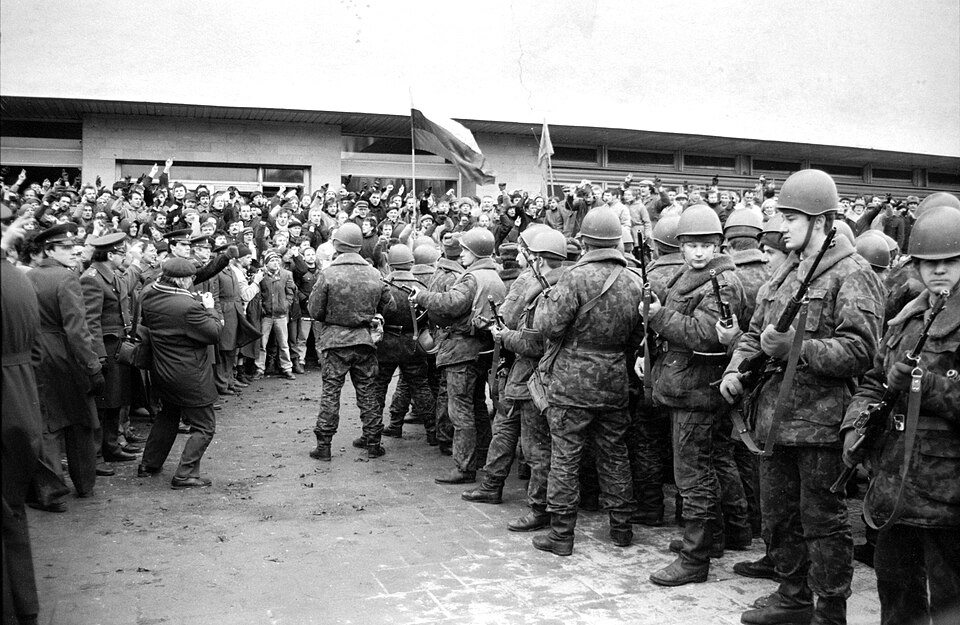
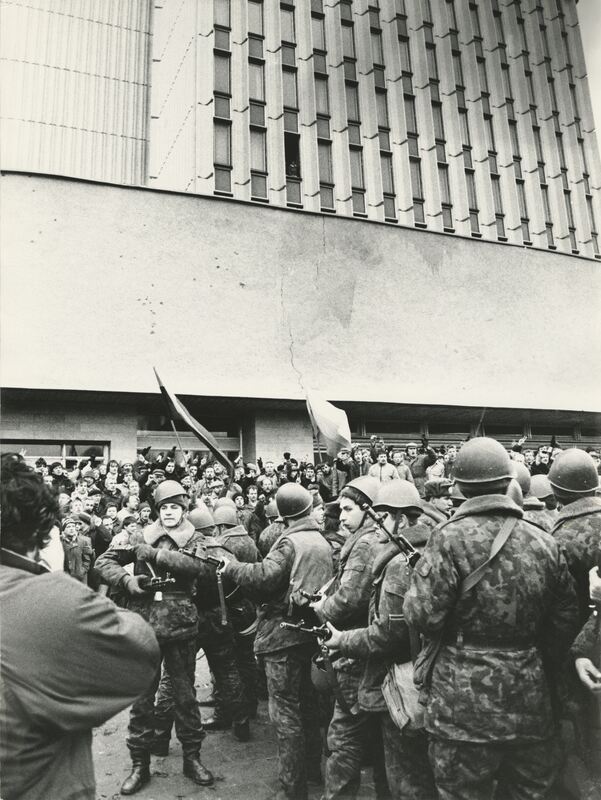
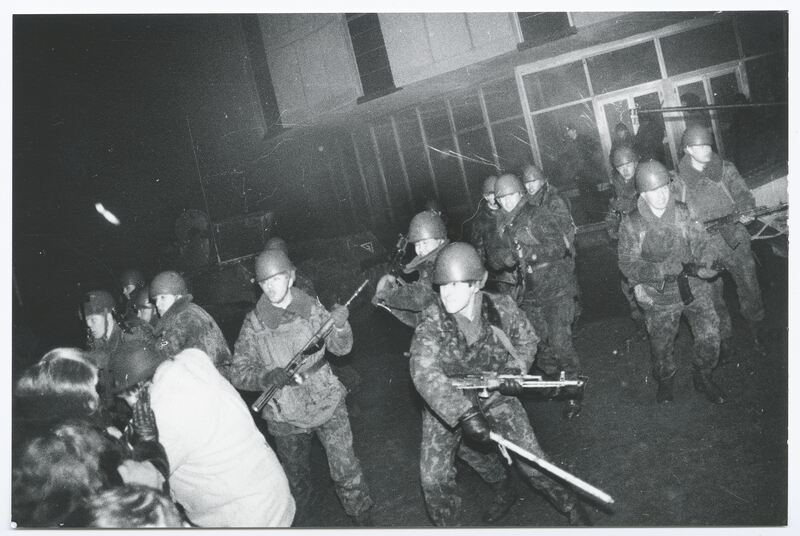
Unarmed civilians defend the Lithuanian Press House from Soviet army paratroopers.
Photographer Paulius Lileikis
1991 – 01 – 11
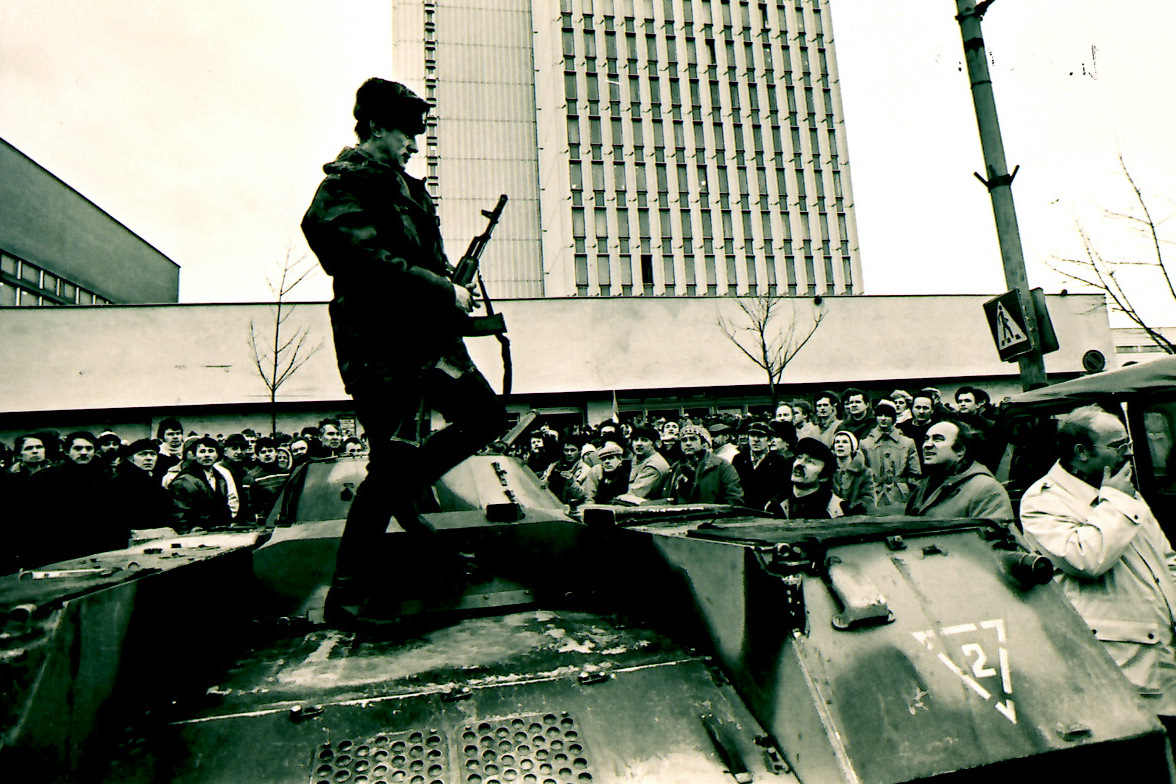
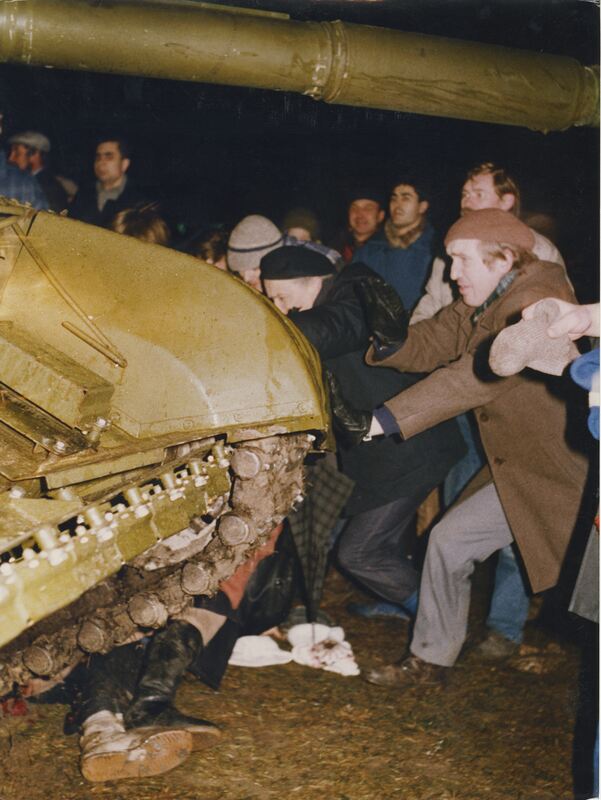
Civilians surround a Soviet tank as Soviet soldiers seize the Publishing House.
1991 – 01 – 11
Soviet soldiers seized the Vilnius Publishing House, where all newspapers and magazines are printed. The Kremlin's goal was to seize control of the media to prevent Lithuanians from publishing the truth.
Photo: Marijonas Baranauskas
1991 – 01 – 11
Unarmed Lithuanian civilians met the Soviet soldiers who arrived to seize the Publishing house by linking arms and singing.
Photo: Marijonas Baranauskas
1991 – 01 – 12
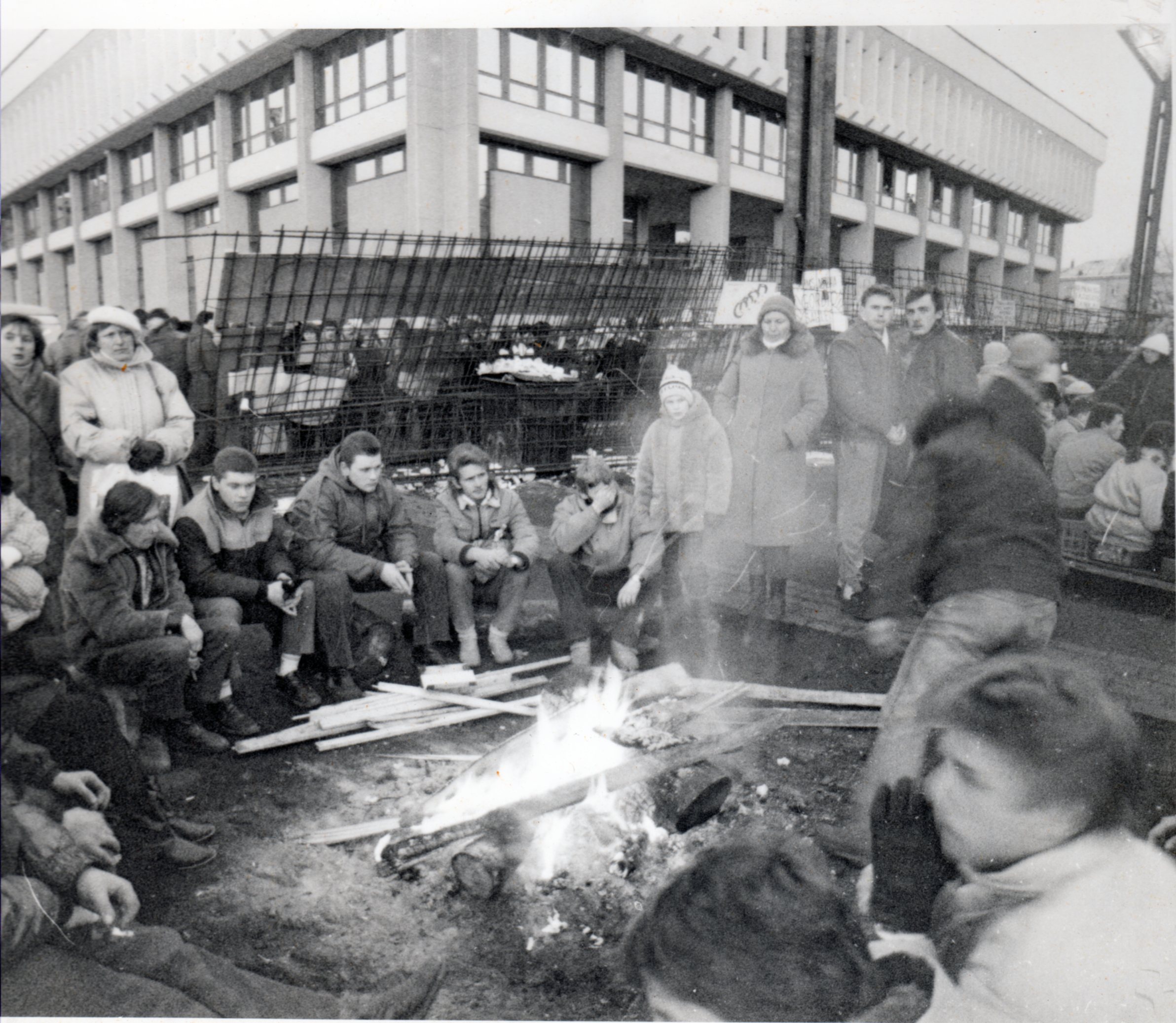
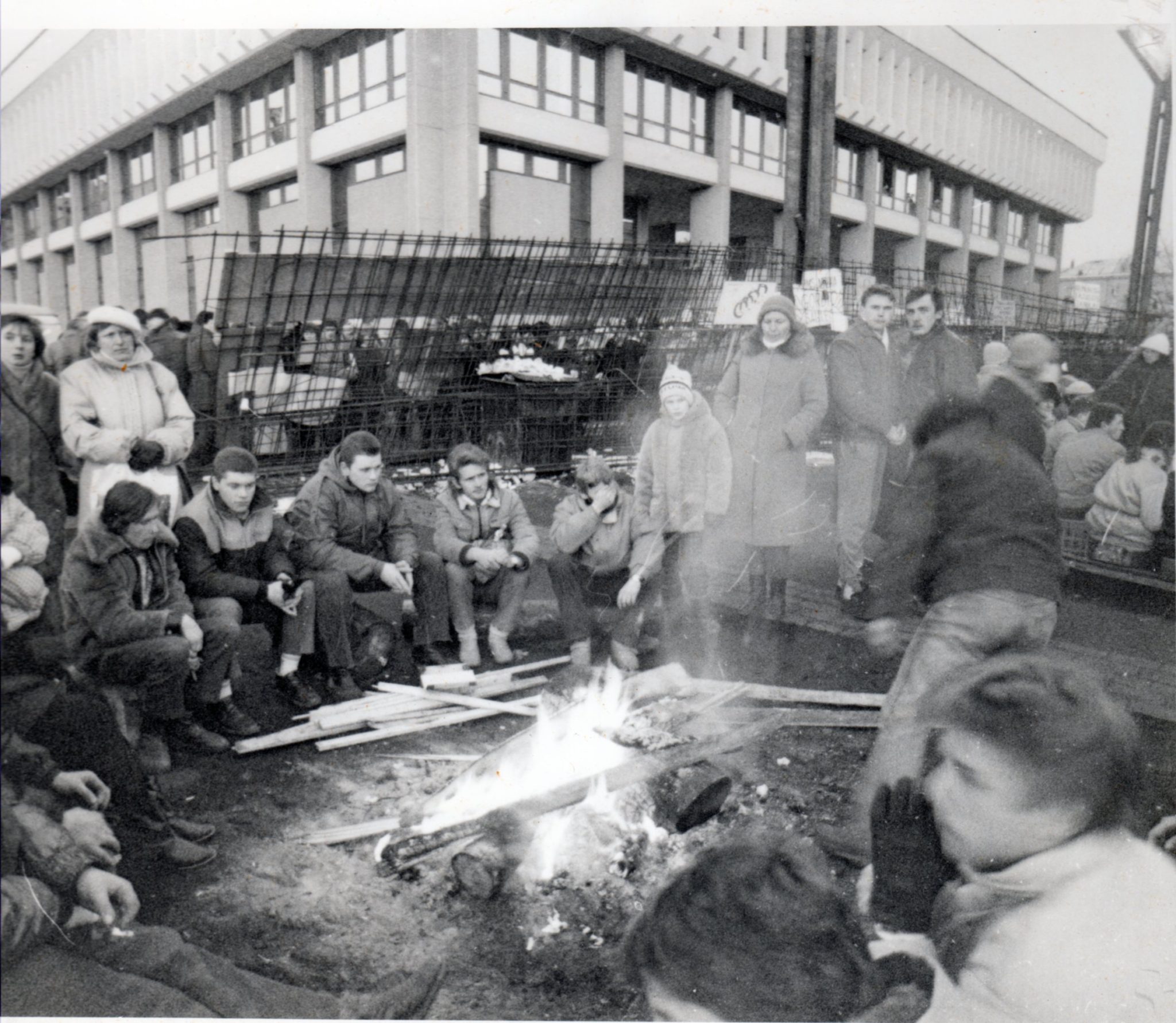
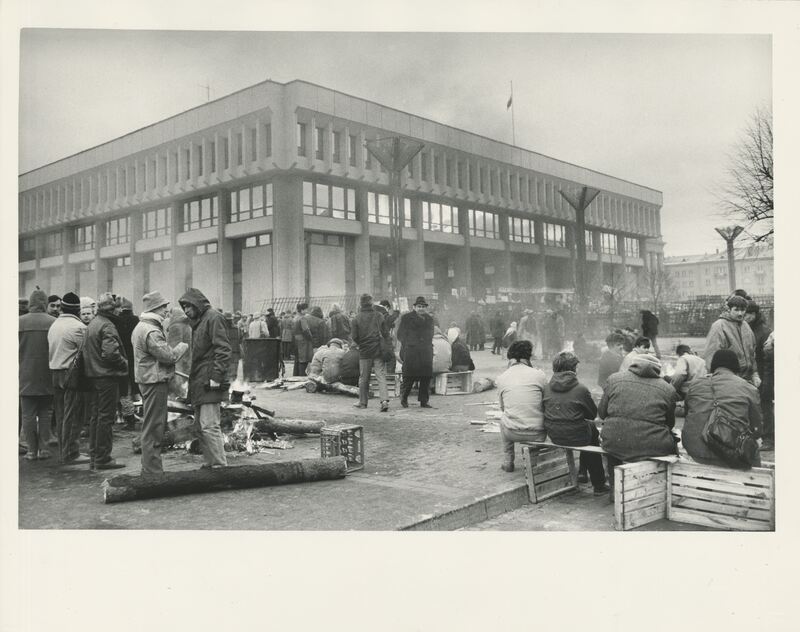
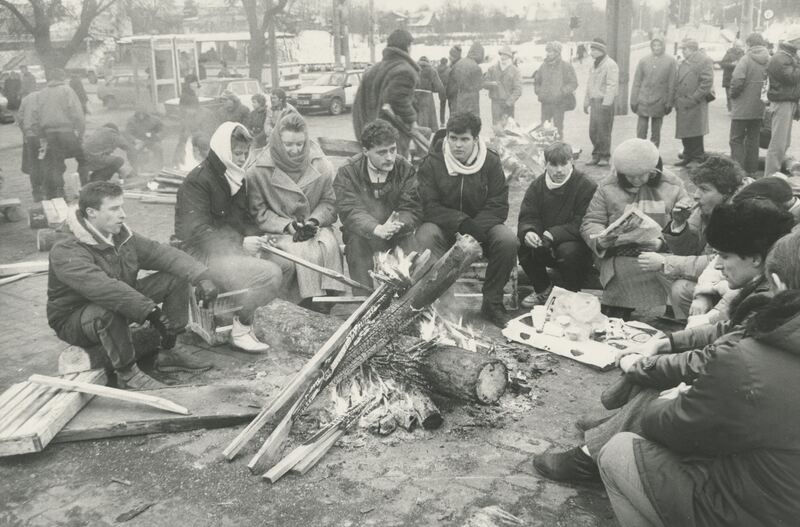
Given the Soviet military seizure of the Publishing House on January 11 and the Kremlin's attempt to storm the parliament building, unarmed civilians held vigils at various potential Soviet targets, including the TV Tower and parliament. Lithuanians set bonfires to keep warm, brought musical instruments to play, and sang songs and danced. It was almost a festive atmosphere. This photo shows the scene at parliament, before anyone could have even imagined that Soviet tanks would soon arrive.
Zenonas Nekrošius
1991 – 01 – 13
The Lithuanian defense department was formed, and new volunteers are inducted inside the Parliament building.
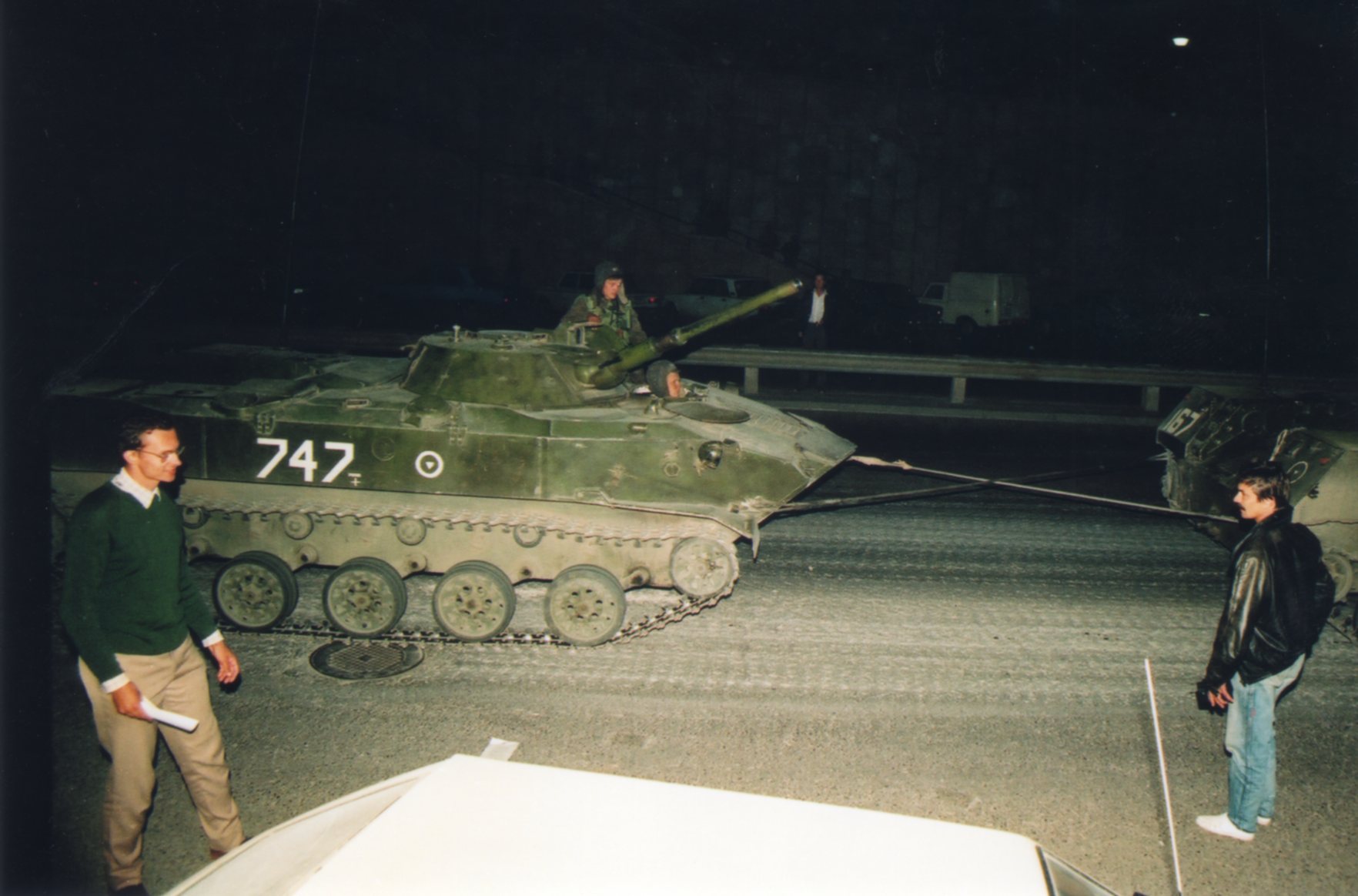
1991 – 01 – 13
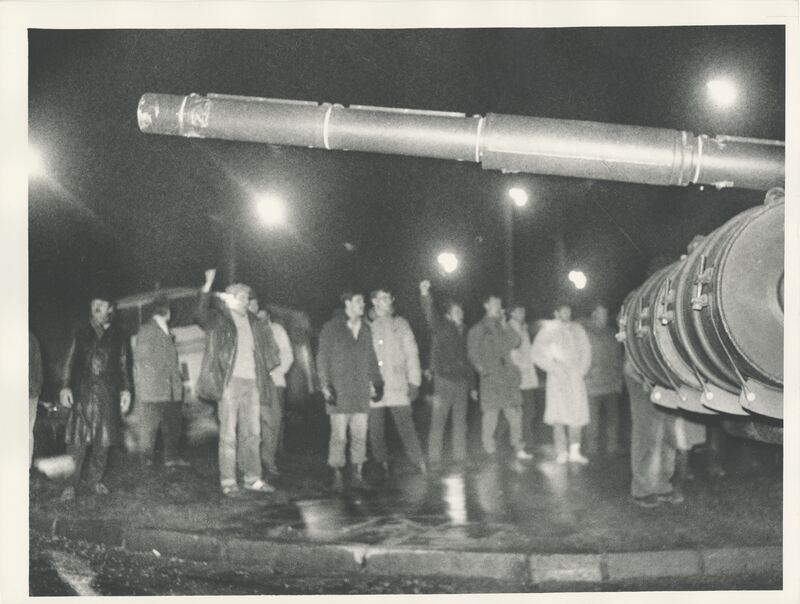
When the Soviet military arrived to seize the TV Tower, unarmed Lithuanian citizens stood before the tanks, linked arms, and shouted, "Lithuania! Lithuania!"
Photo: V.Usinavičius
1991 – 01 – 13
The victims of the Soviet military attack at the TV Tower.
1991 – 01 – 13 1:00
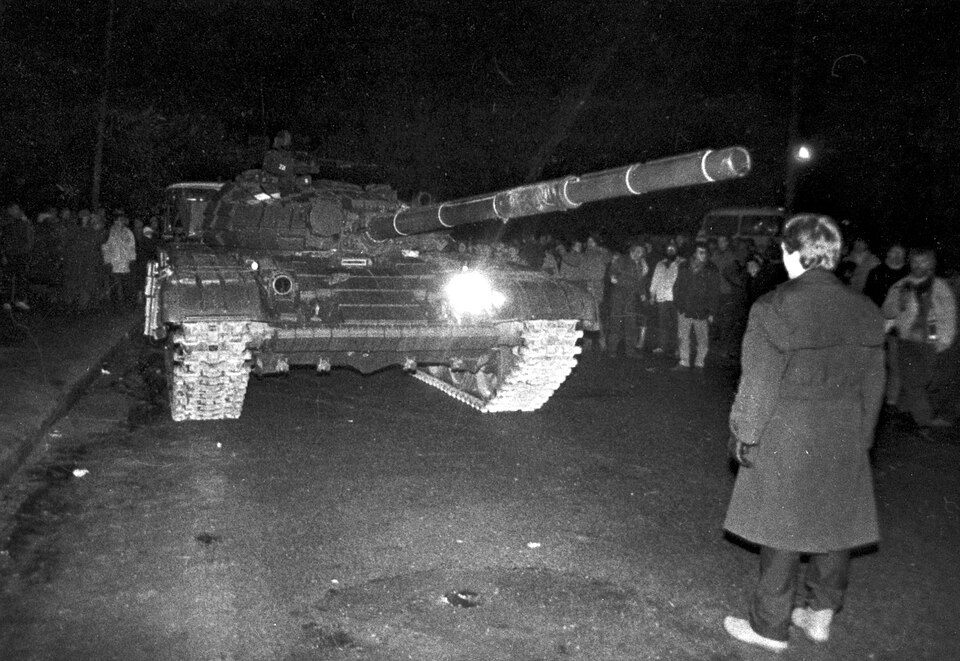
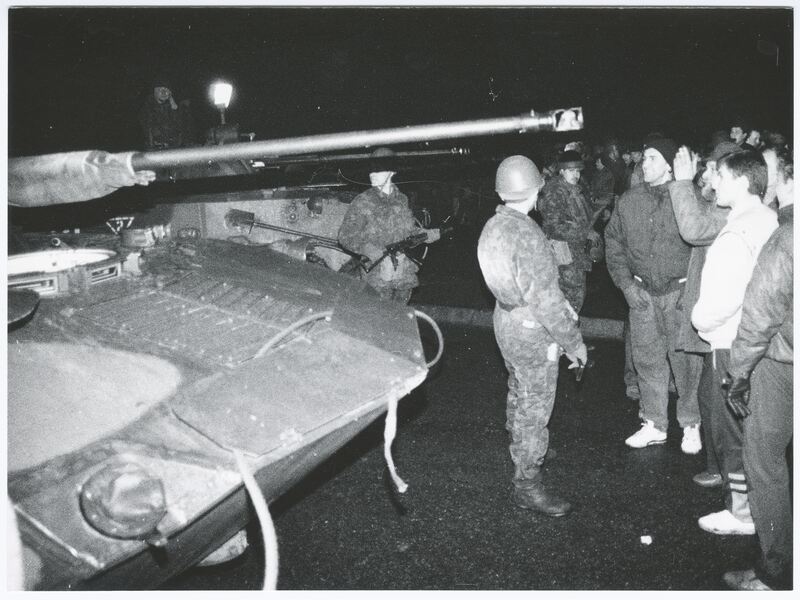
An unarmed Lithuanian civilian standing against a Soviet tank.
Photographer Andrius Petrulevičius
1991 – 01 – 13 1:00
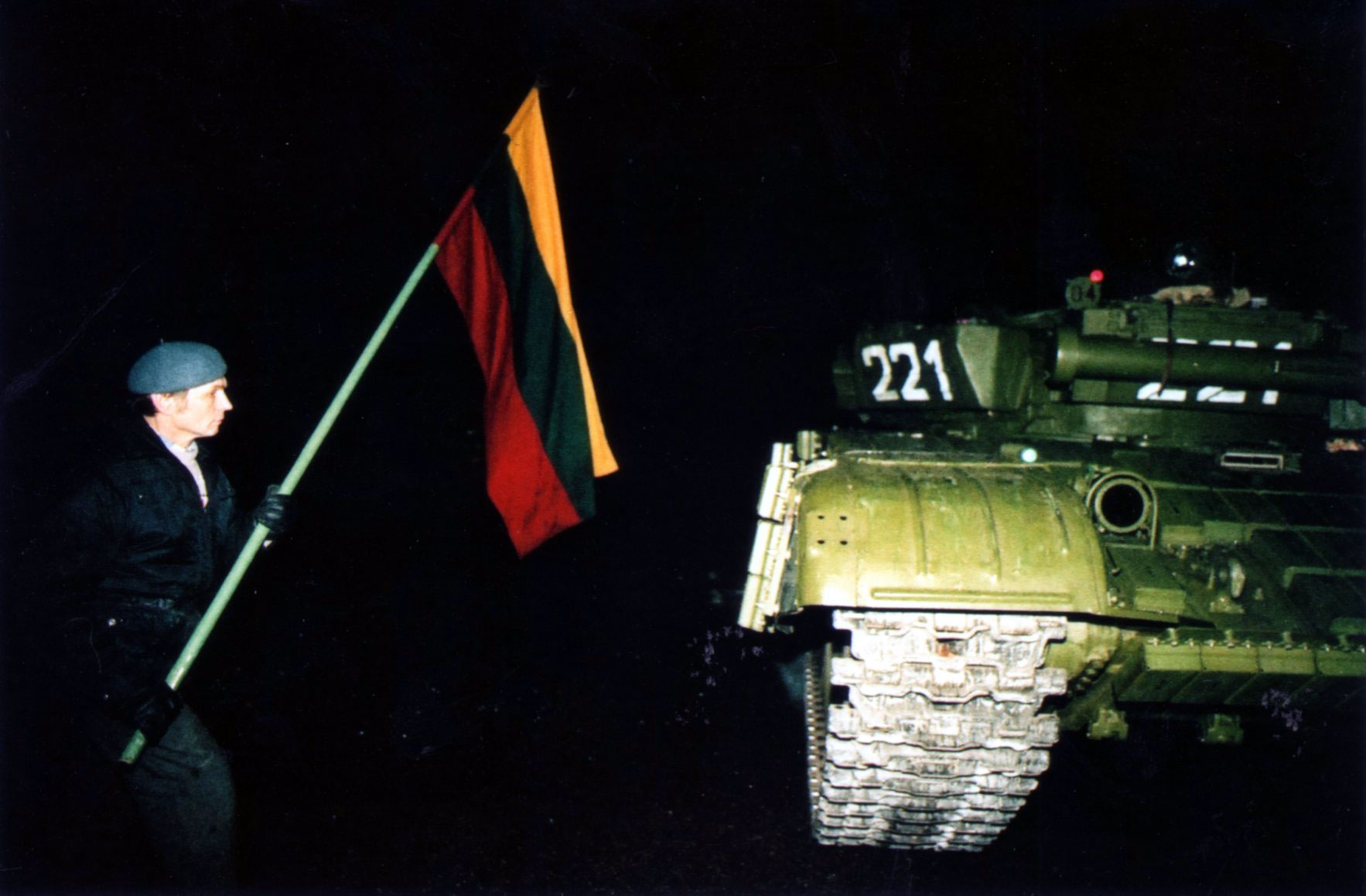
Unarmed civliant confronts Soviet tanks at the TV Tower with the Lithuanian flag.
Author unspecified; Lithuanian Ministry of National Defence (kam.lt); Wikimedia Commons; GFDL license.
1991 – 01 – 13 1:00
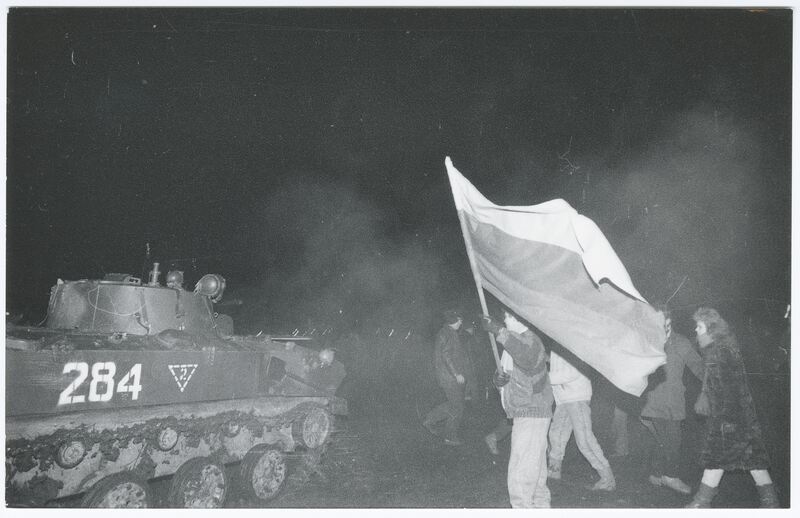
Unarmed Lithuanian civilians confronting Soviet tanks with flags at the TV Tower.
Photo: Zenonas Nekrošius
1991 – 01 – 13 1:00
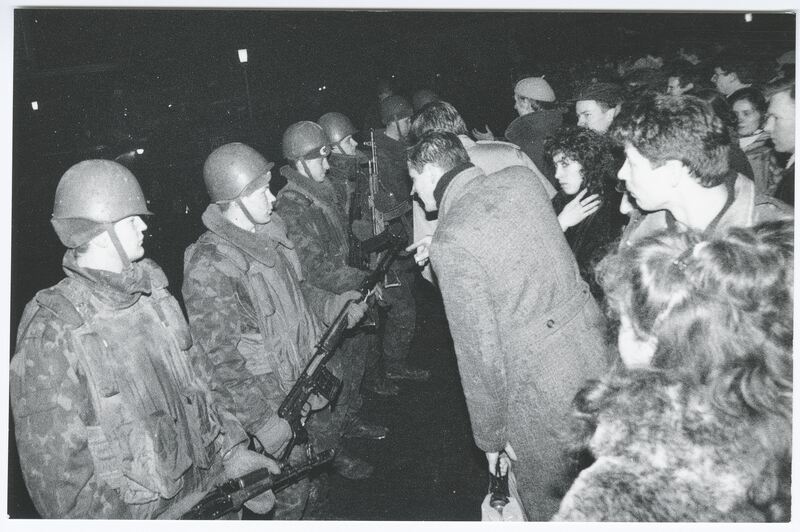
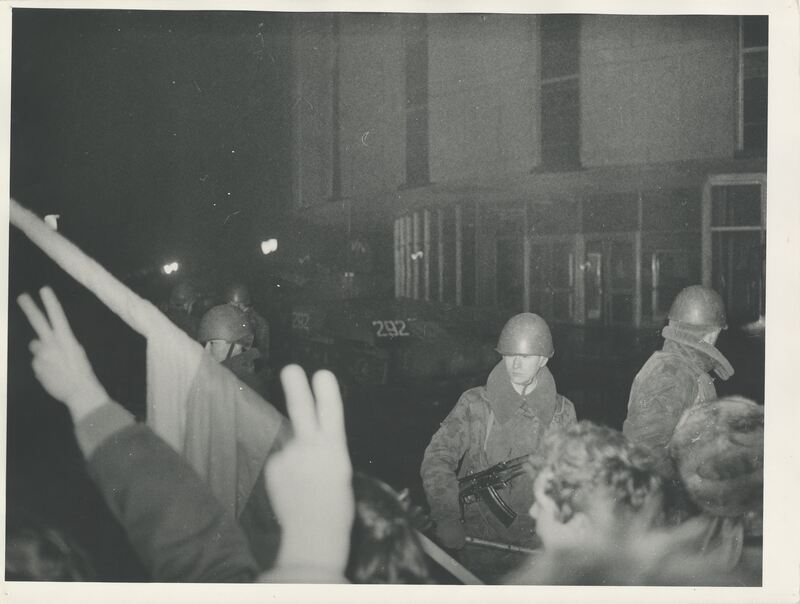
Unarmed Lithuanians peacefully asking armed Soviet soldiers at the TV Tower why they are there.
Photo: Zenonas Nekrošius
1991 – 01 – 13 1:00
Brave unarmed Lithuanians standing their ground, confronting the Soviet soldiers as they seize the TV Tower.
Photo: Zenonas Nekrošius
1991 – 01 – 13 1:00
Soviet soldiers beating unarmed Lithuanians at the TV Tower.
Photo: Zenonas Nekrošius
1991 – 01 – 13 1:00
Soviet tanks attacking unarmed civilians at the TV Tower.
Photo: Virgilijus Usinavičius
1991 – 01 – 13 1:00
Unarmed Lithuanians confronting Soviet tanks
Photo: Virgilijus Usinavičius
1991 – 01 – 13 1:00
Unarmed Lithuanians confronting armed Soviet soldiers
Virgilijus Usinavičius
1991 – 01 – 13 11:00
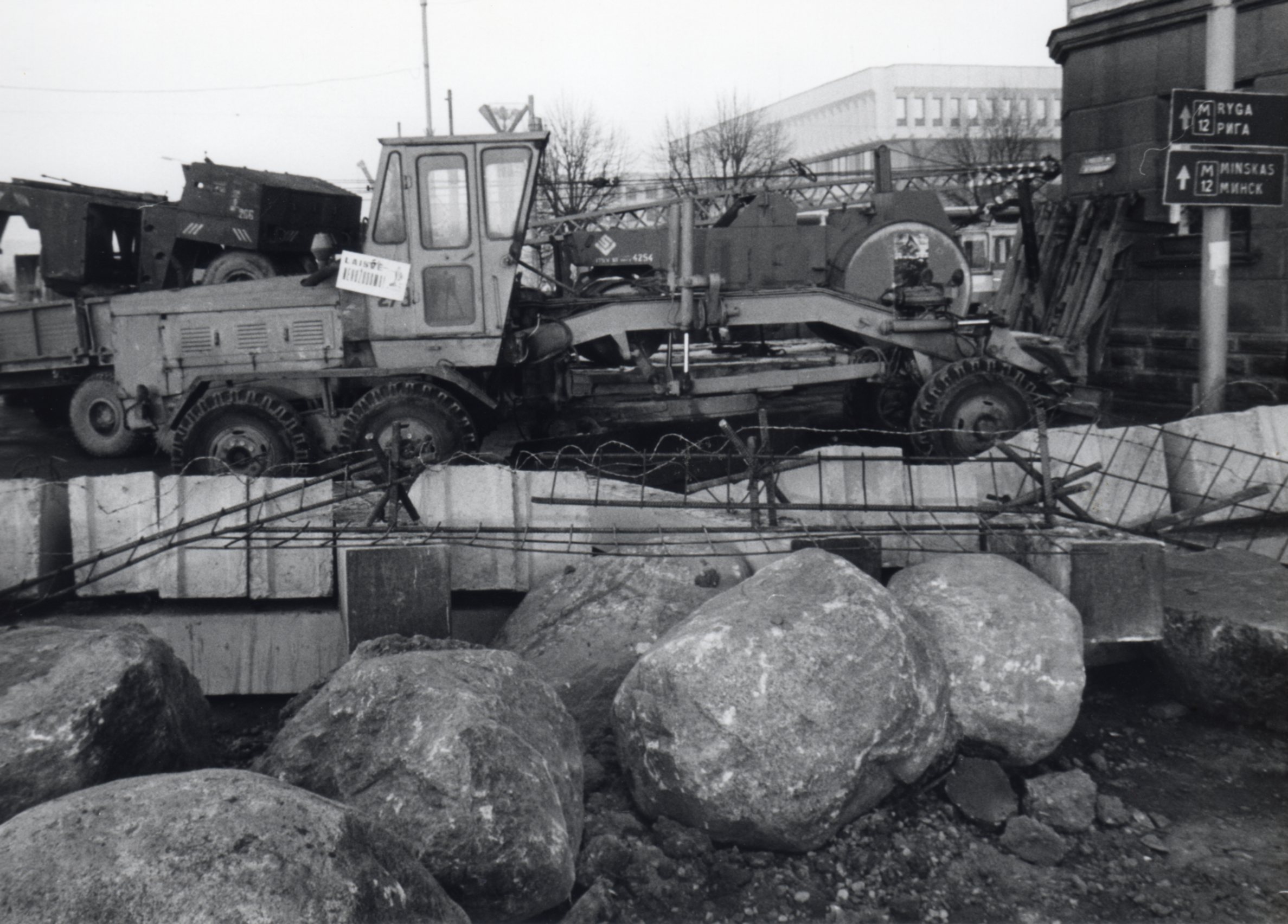
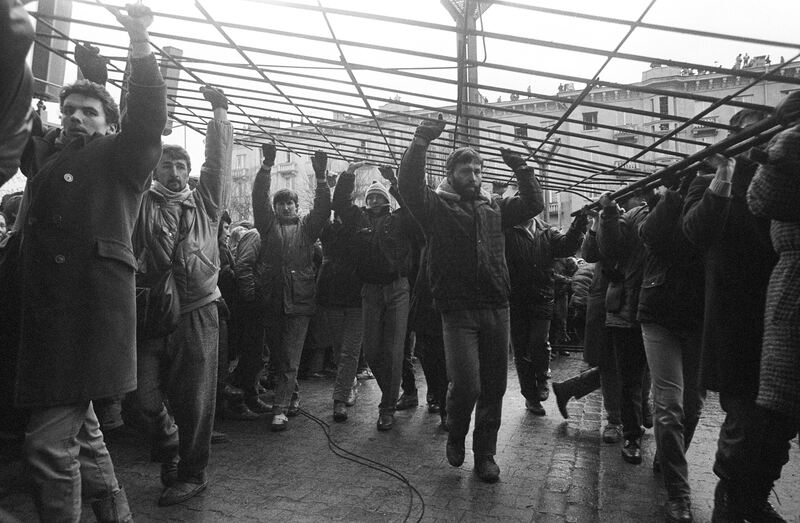
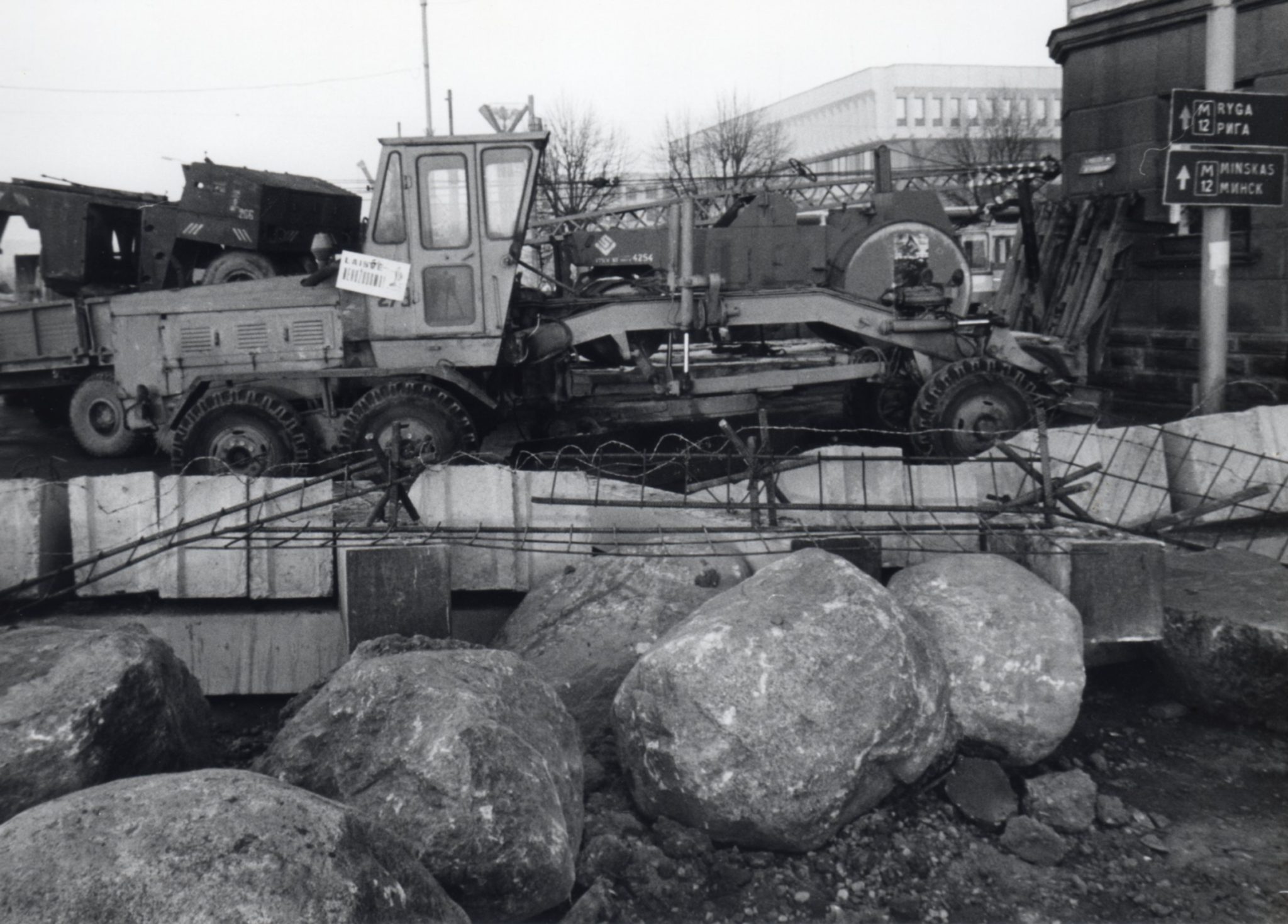
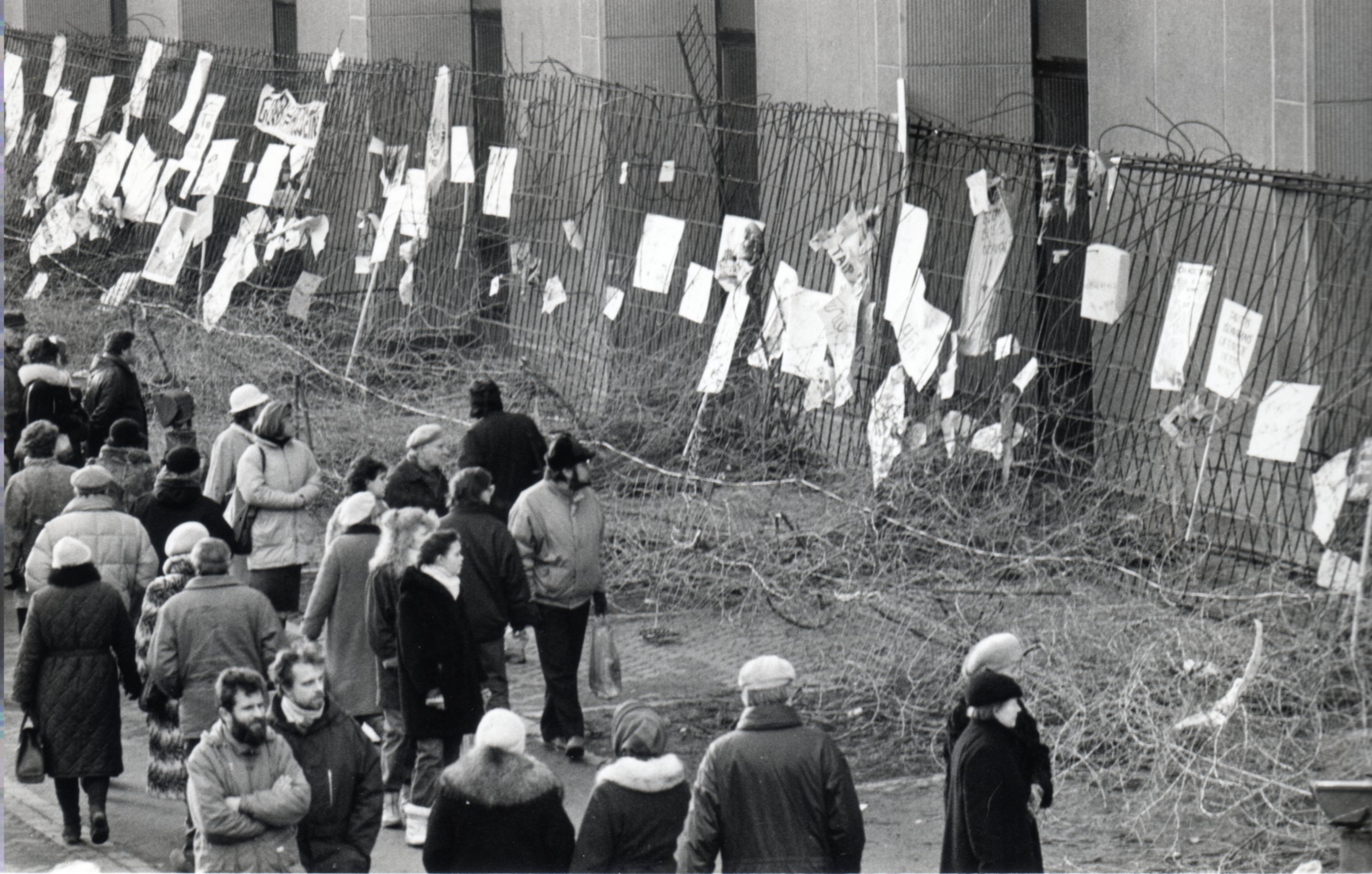
Ad Hoc barricade blocking a street entrance to Parliament square.
Photo: V.Jasinavičius
1991 – 01 – 13 11:00
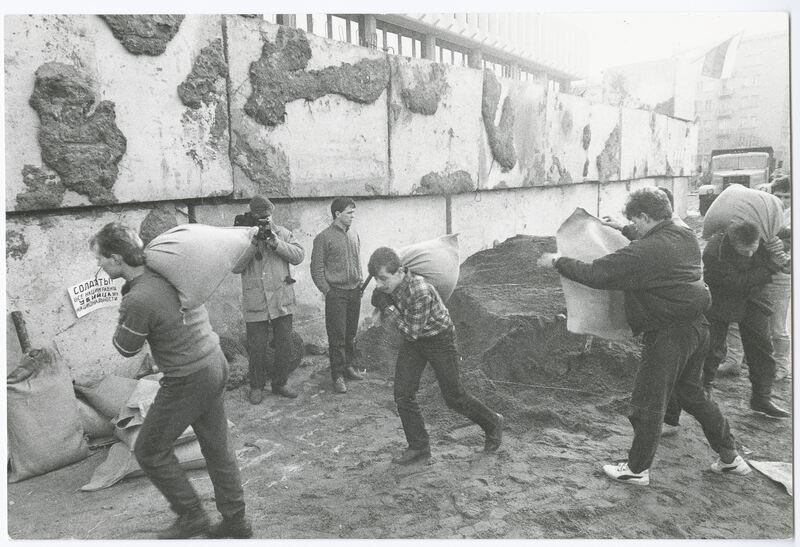
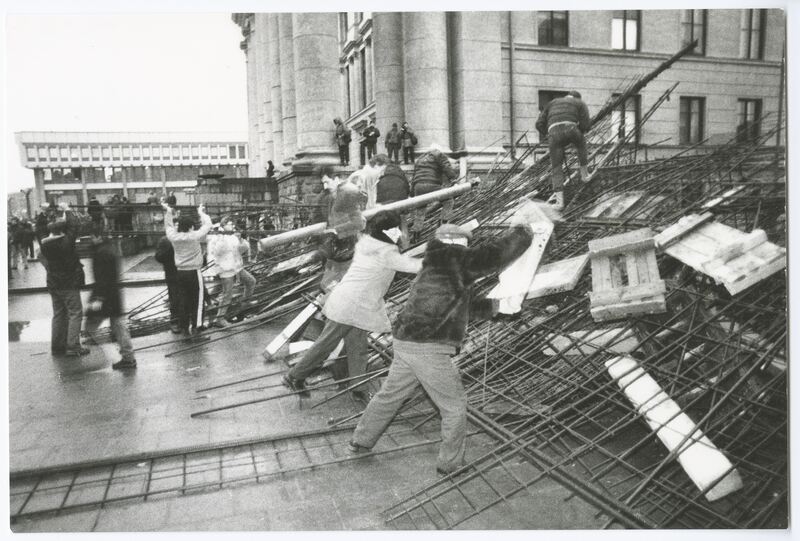
Lithuanian civilians building ad hoc barricades around the Parliament building.
Photo: V.Jasinavičius
1991 – 01 – 13 11:00
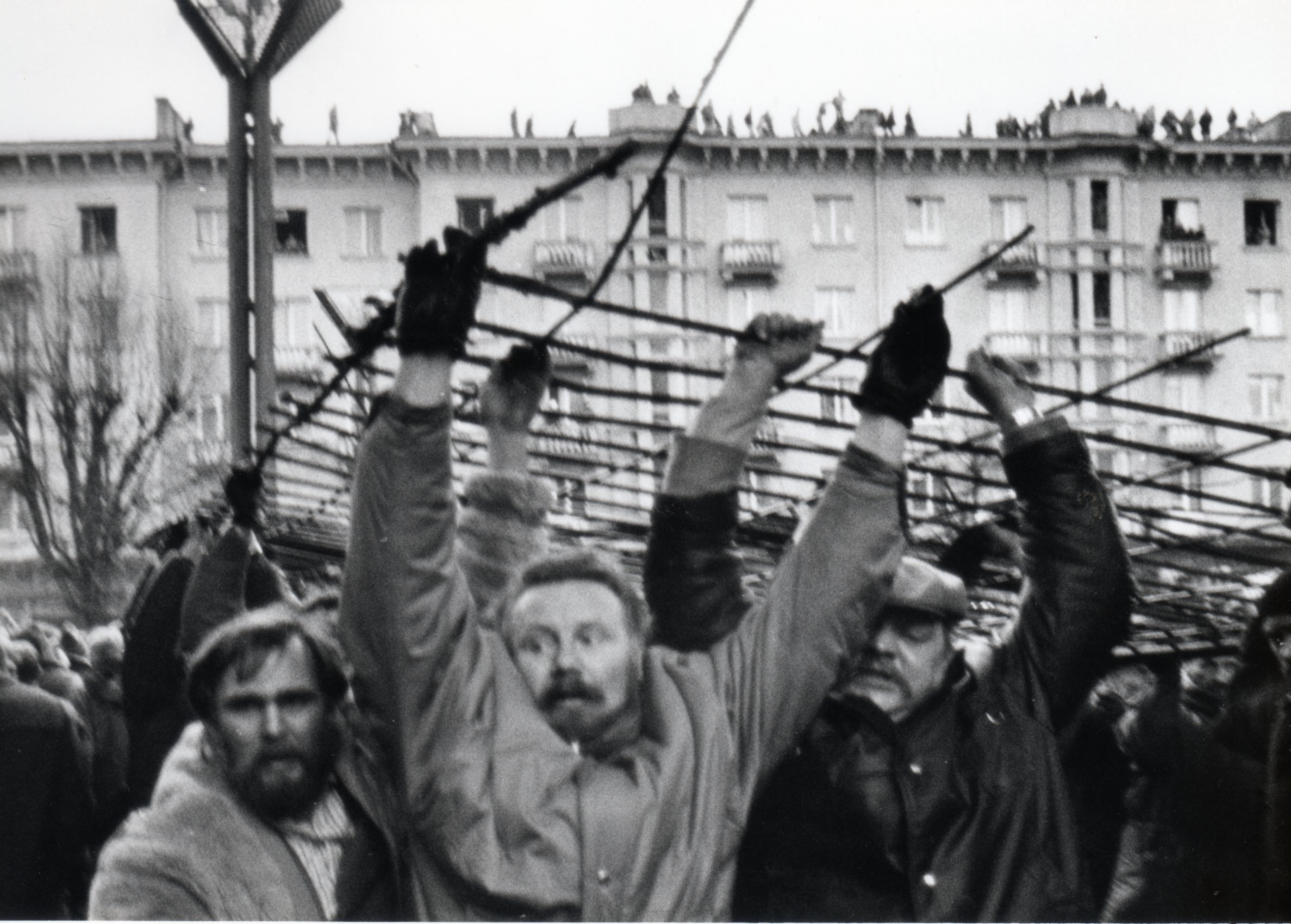
Lithuanians are building barricades around the parliament.
Photo: Romualdas Požerskis
1991 – 01 – 13 13:00
Thousands serve as unarmed human shields to guard Parliament from a Soviet attack. When Soviet tanks arrived to overthrow the independent Lithuanian government, 30,000 people linked arms and sang patriotic songs. The Soviet tanks could not move forward, so they withdrew.
1991 – 01 – 13 6:00
Lithuanians serving as human shields at the Lithuanian parliament as the Soviet military attacks civilians at the TV Tower.
Photo: Romualdas Požerskis
1991 – 01 – 13 9:00
A hundred thousand Lithuanians gather at the parliament building to serve as human shields after the Soviet attack
Photo: Romualdas Požerskis
1991 – 01 – 14
Civilians build ah hoc defenses around the Parliament building.
1991 – 01 – 14
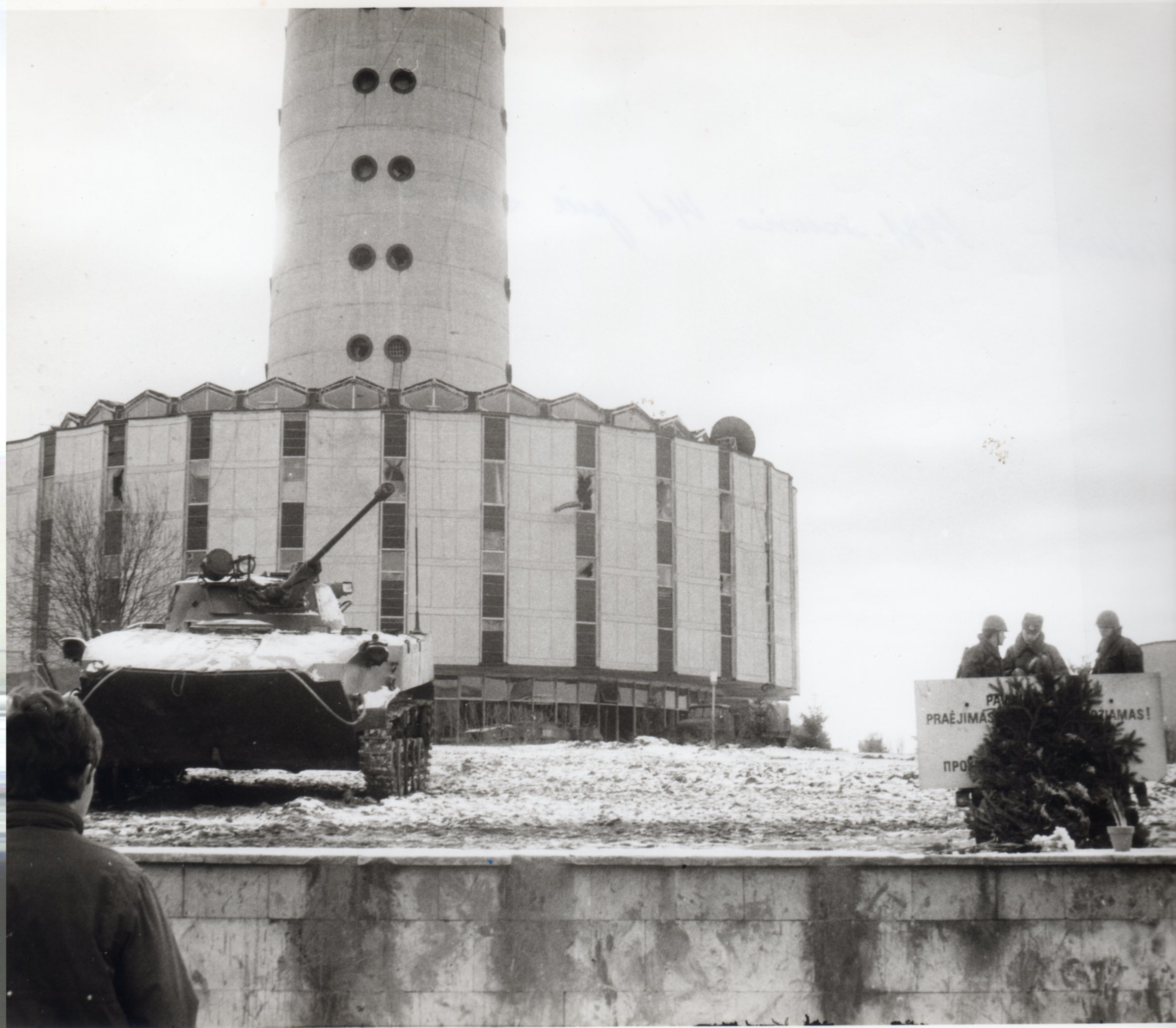
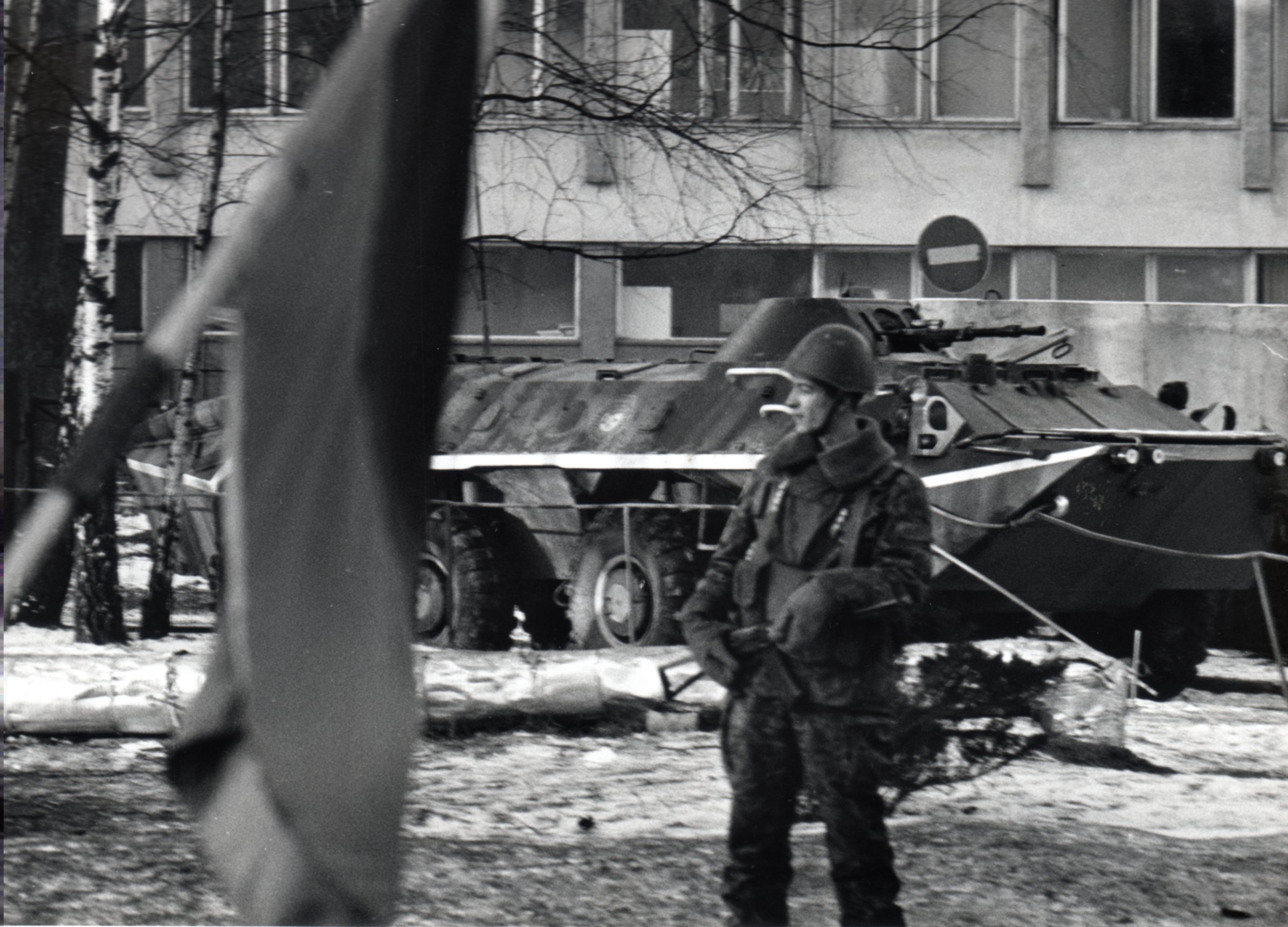
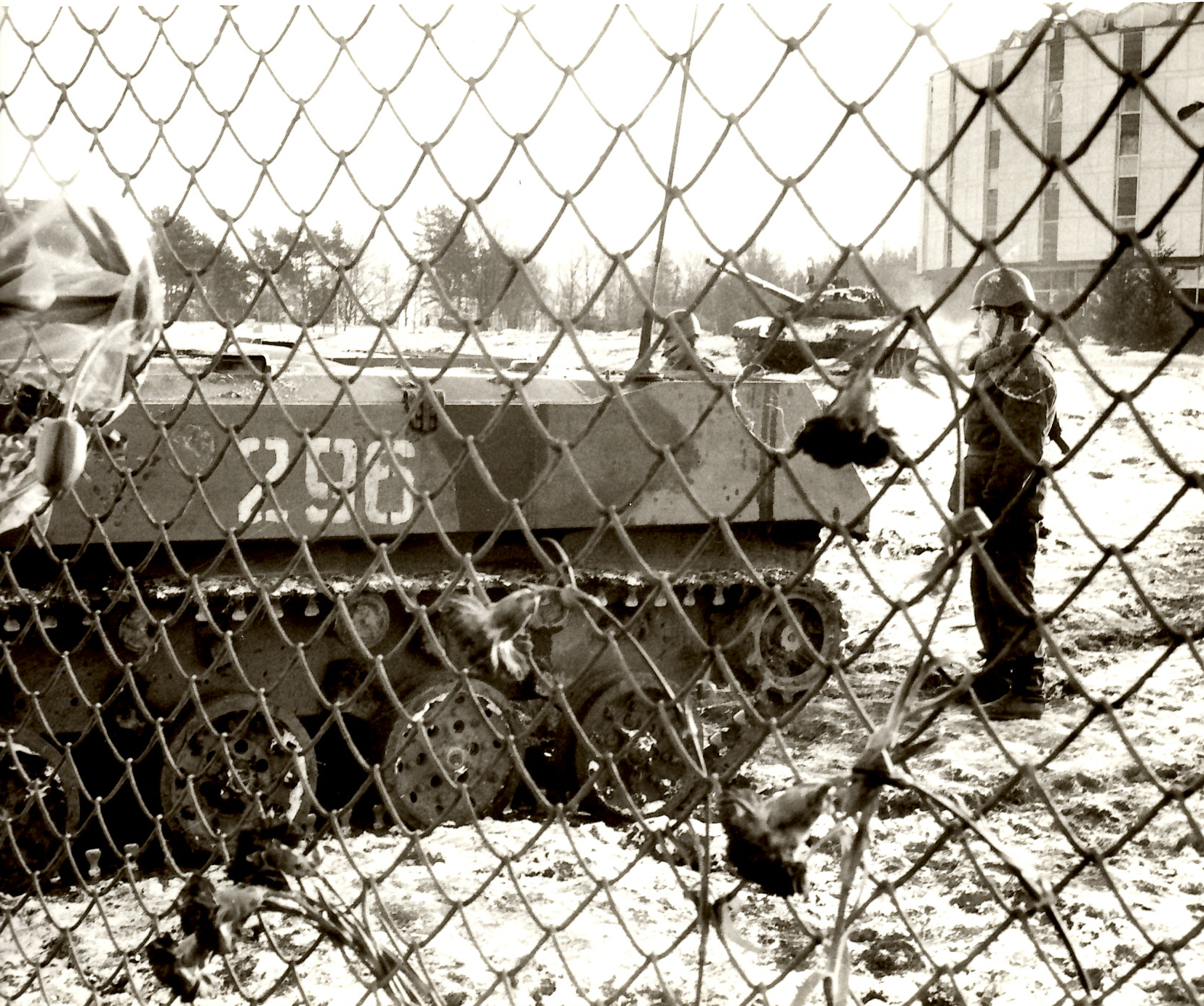
Soviet troops guarding the Vilnius TV Tower, which they just violently seized.
Photo: R.Jurgaitis
1991 – 01 – 14
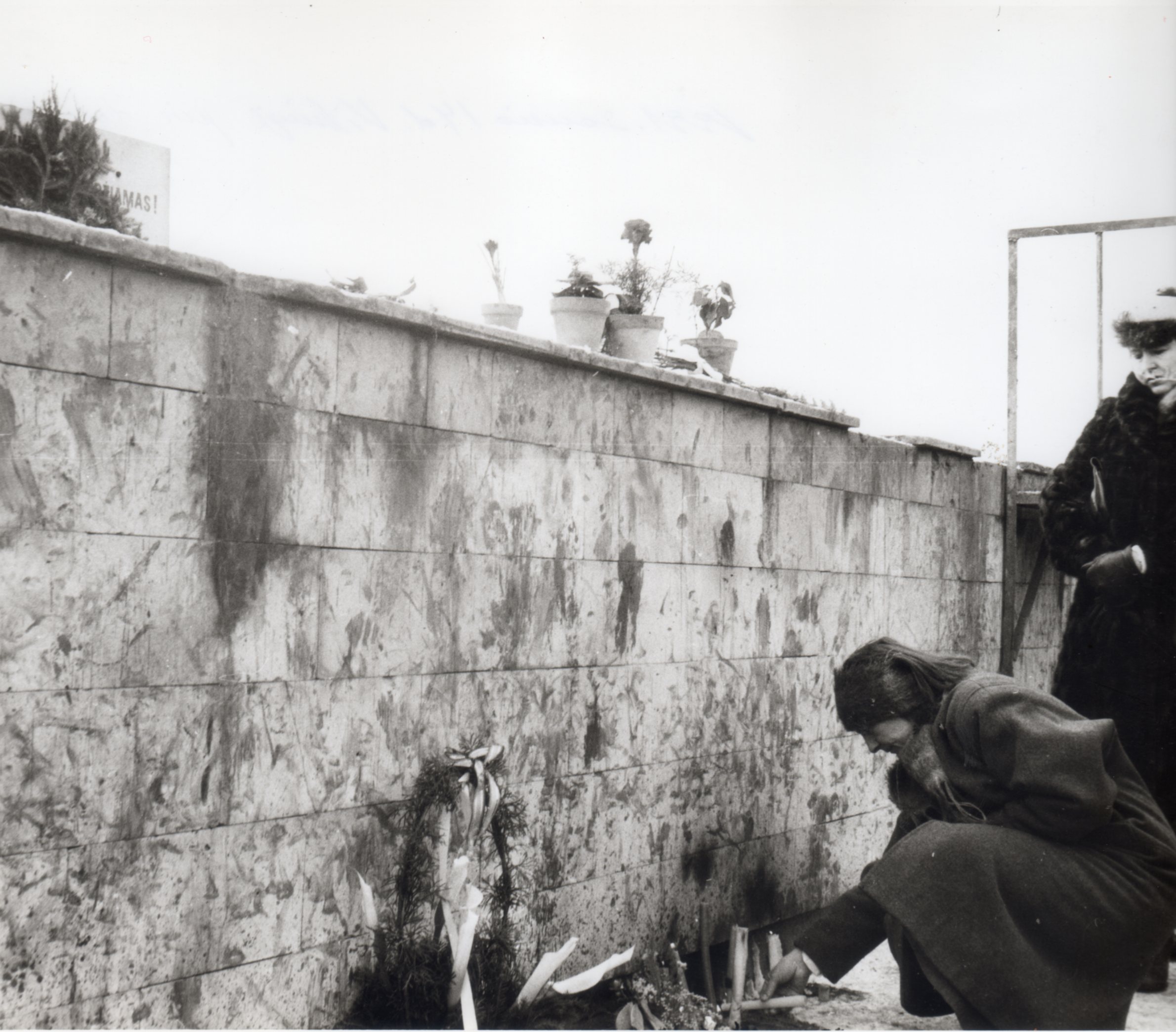
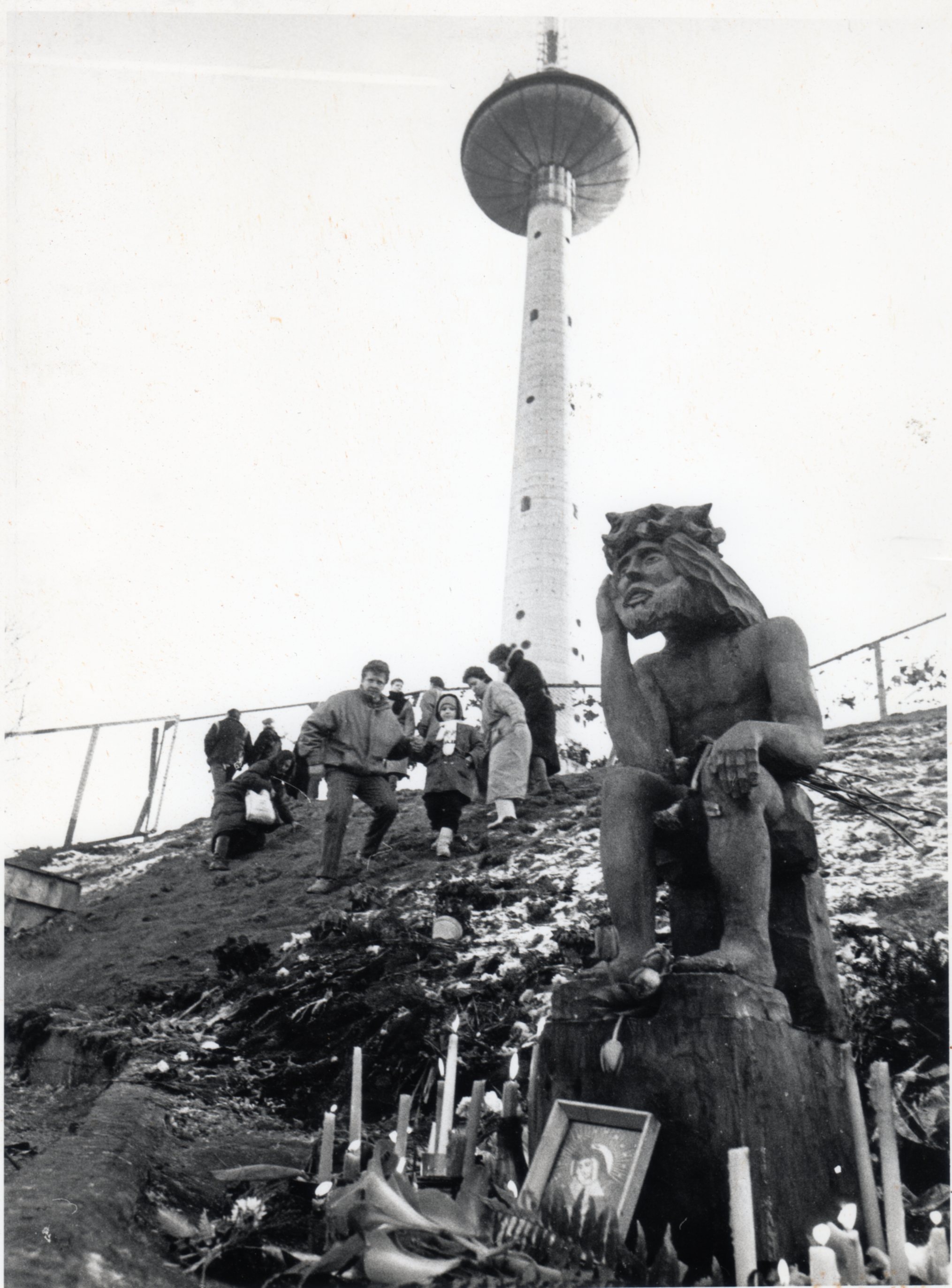
At the retaining wall at the TV Tower citizens light candles for the victims. The wall shows the scars of the attack on January 13.
Photo: R.Jurgaitis
1991 – 01 – 14
The Soviet-seized Radio/TV center in the Vilnius city center. Bullet holes lined the walls and soldiers stared out of broken windows.
Photo: V.Jasinavičius
1991 – 01 – 14
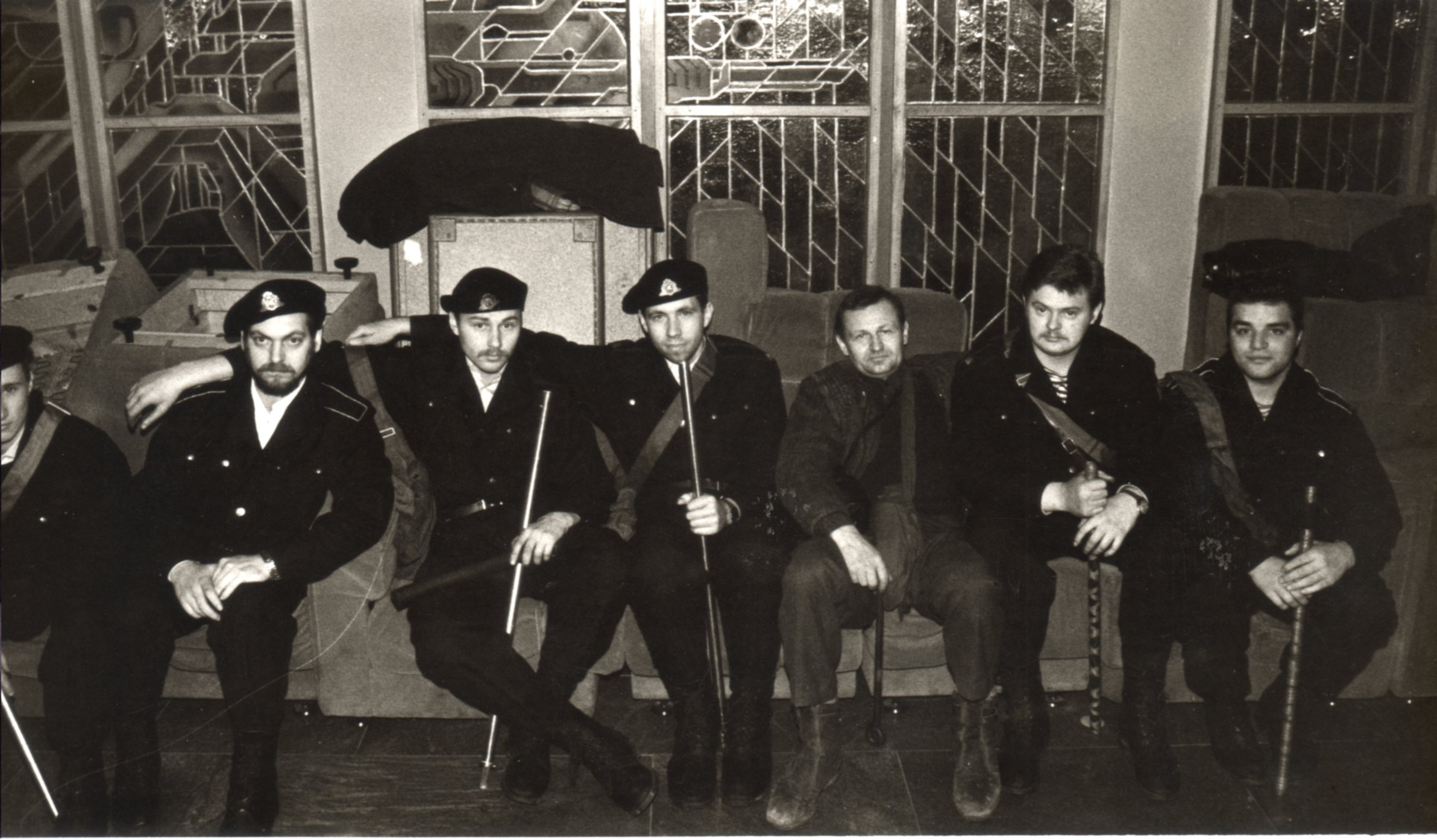
Volunteer Lithuanian guards armed with metal rods inside of the Parliament building
1991 – 01 – 14
People continue to hold vigil and serve as human shields at the Parliament building.
1991 – 01 – 14
A memorial for those who were killed and injured at the TV Tower under the watchful eye of the Soviet military occupying the compound.
1991 – 01 – 14
Soviet soldiers guarding the TV Tower they had just violently seized.
1991 – 01 – 14
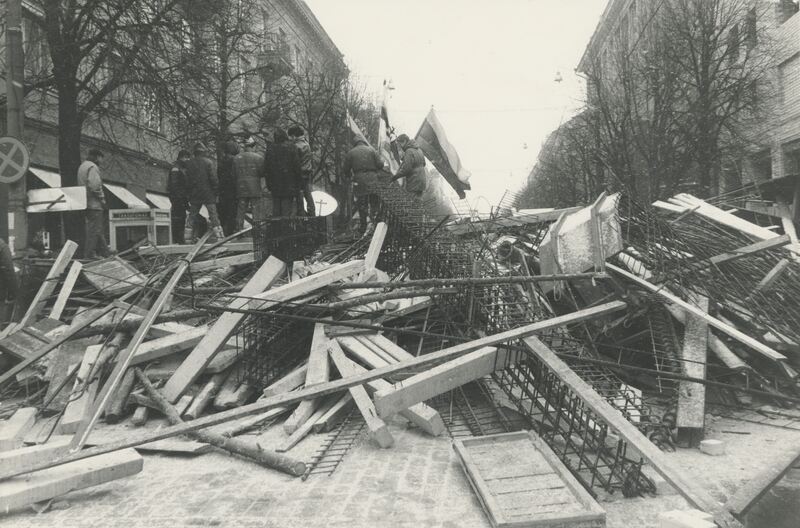
Barricades at the parlaiment building
1991 – 01 – 14
Lithuanian civilians continuing to hold vigil and serve as human shields at the parliament building
1991 – 01 – 14
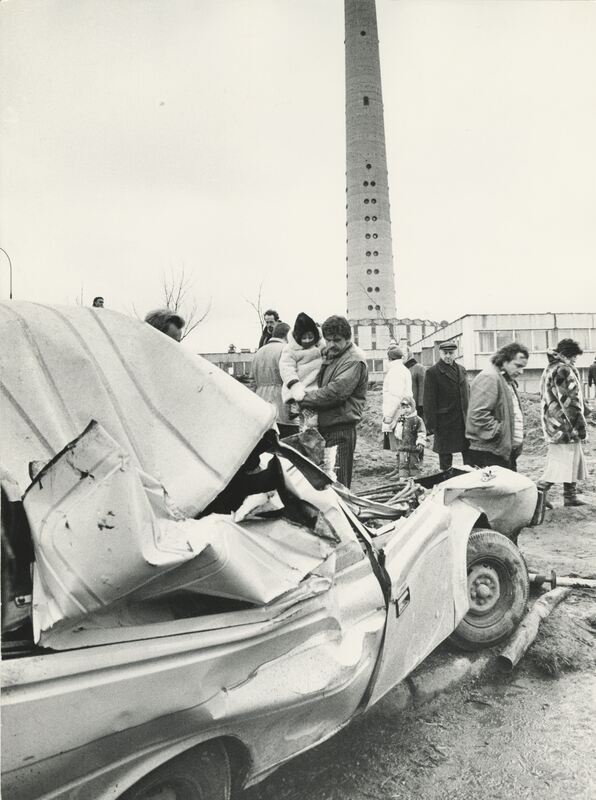
The aftermath of the Soviet attack on the TV Tower. A car was run over by a tank.
Photo: Marijonas Baranauskas
1991 – 01 – 14
Lithuanians continue to serve as human shields at the parliament building.
Photo: Alvydas Lukys
1991 – 01 – 15
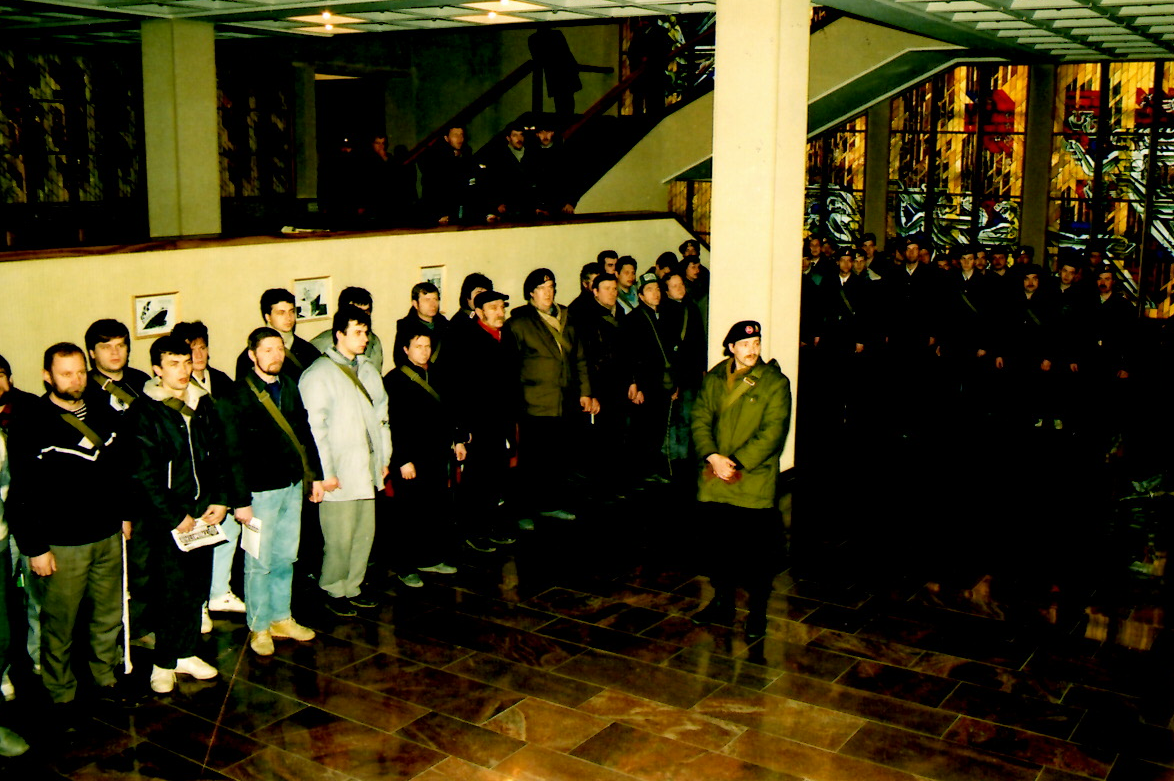
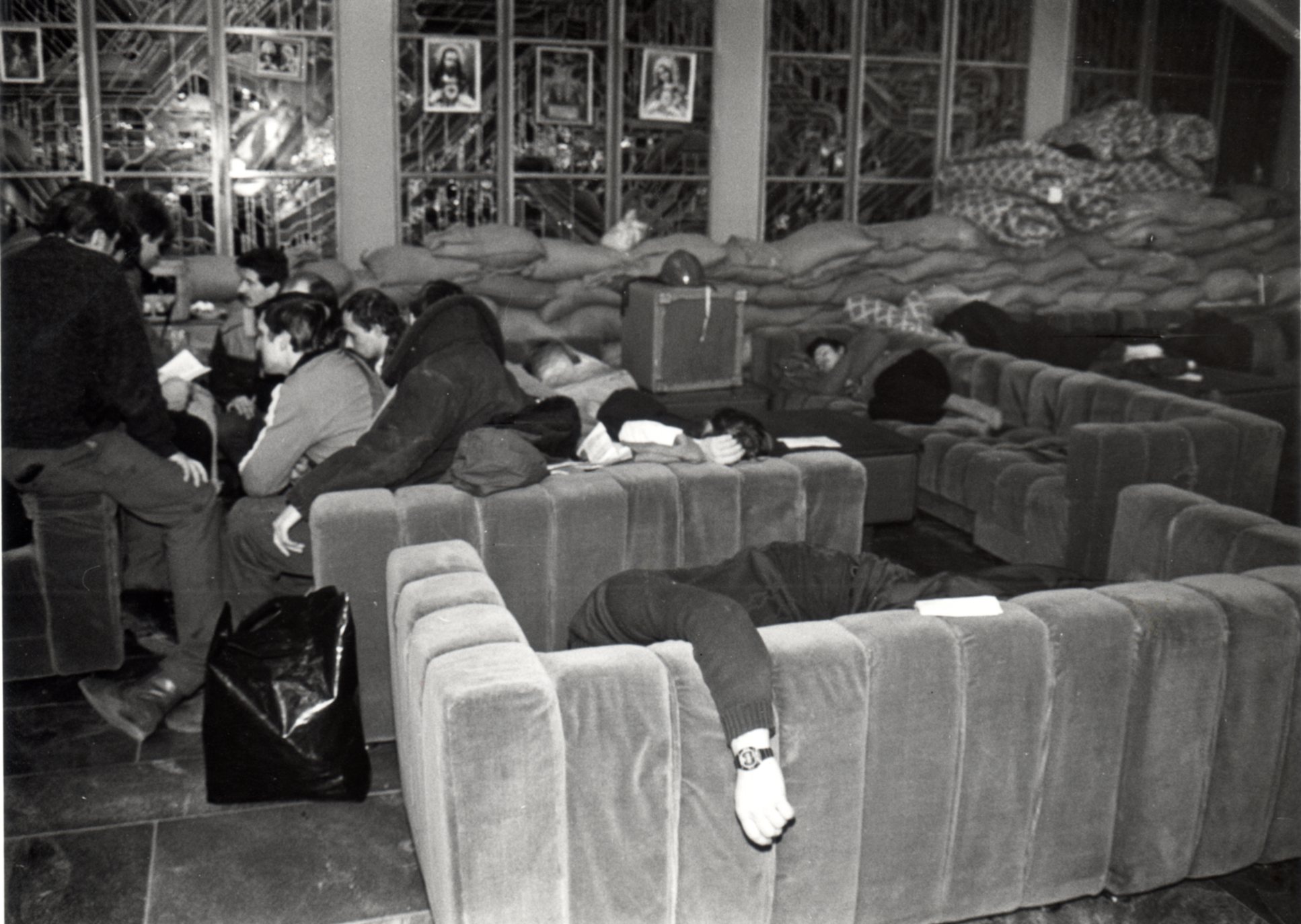
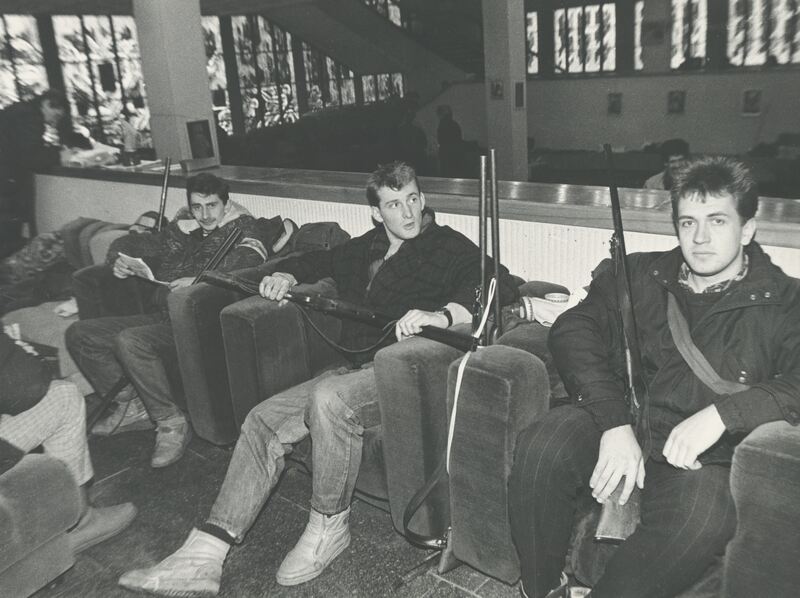
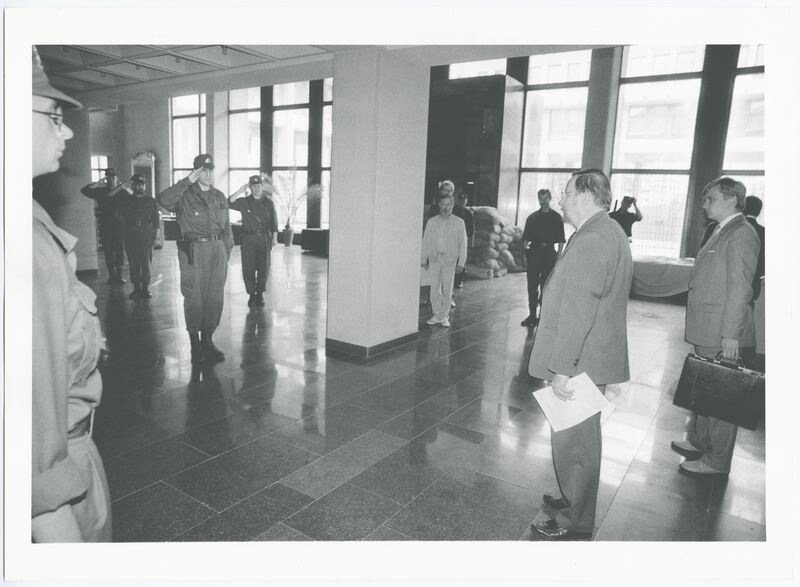
Volunteer defense camped out in the foyer of the Lithuanian parliament building in anticipation of a pending Soviet attack.
1991 – 01 – 15
Volunteer parliament defenders preparing for the next pending Soviet military attack. All they had were metal rods they pulled from staircase railings and a few hunting rifles.
Photo: Marijonas Baranauskas
1991 – 01 – 15
Lithuanians continue to serve as human shields at parliament.
Photo: Alvydas Lukys
1991 – 01 – 16
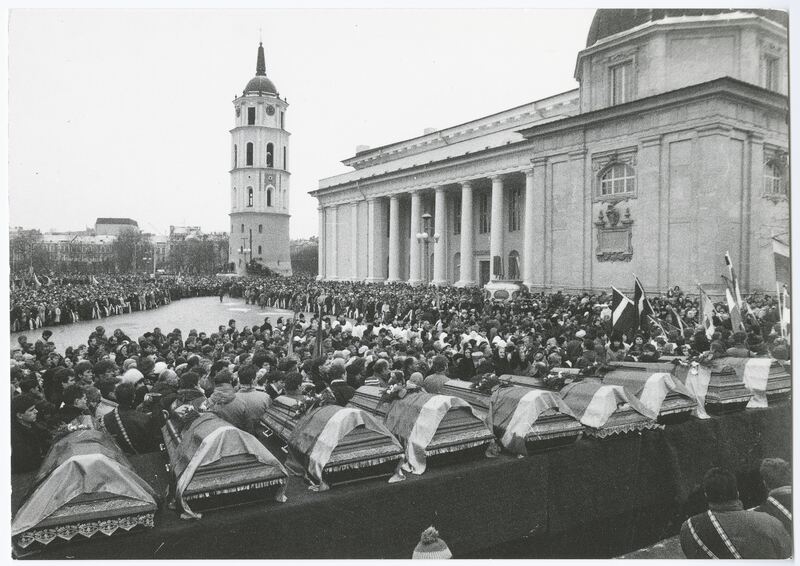
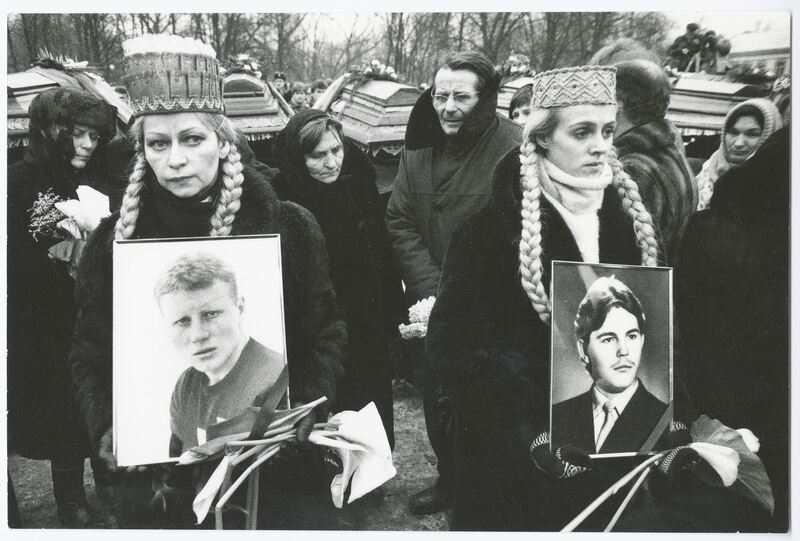
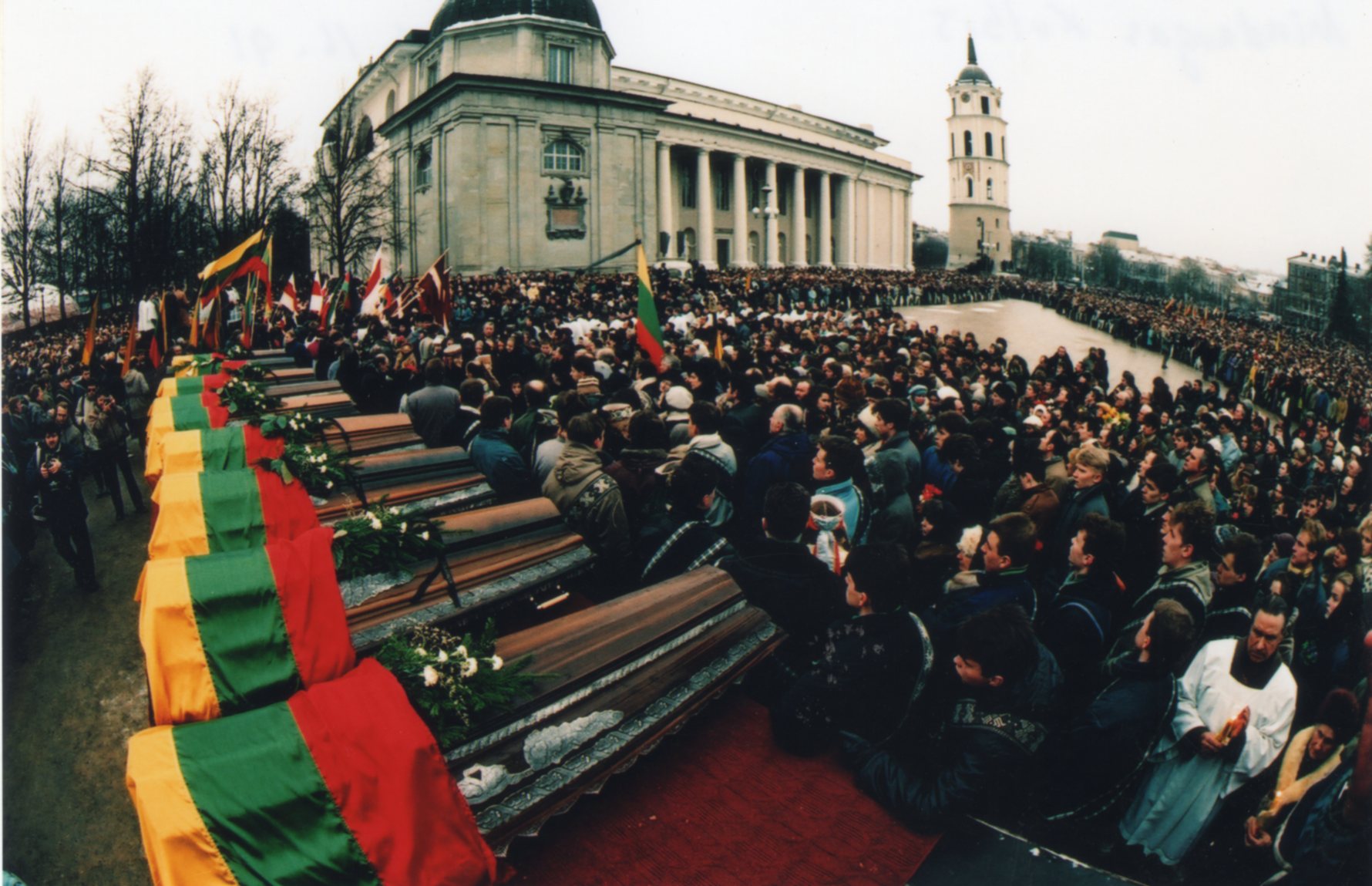
The funeral in Vilnius for the victims of the Soviet military attack on unarmed civilians at the TV Tower.
Photo: Zenonas Nekrošius
1991 – 01 – 16
The funeral in Vilnius for the victims of the Soviet military attack on unarmed civilians at the TV Tower.
Photo: Zenonas Nekrošius
1991 – 01 – 17
Civilians building barricades at the Lithuanian parliament building to defend against a potential Soviet attack.
Photo: Zenonas Nekrošius
1991 – 01 – 17
Civilians building barricades around the Lithuanian parliament building.
Photo: Zenonas Nekrošius
1991 – 01 – 19
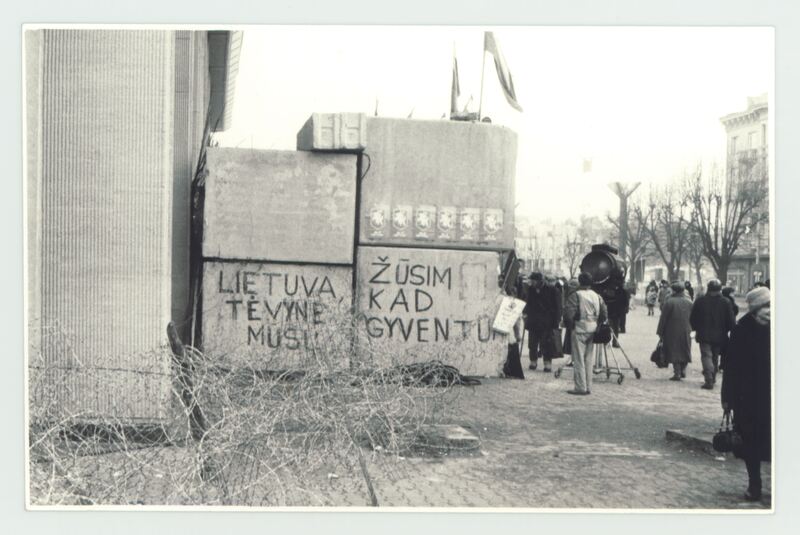
"Lithuania, our Homeland, We will Die so that We May Live" Barricades at parliament.
Photo: Kestutis Svėrys
1991 – 01 -14
Lithuanians grabbed whatever they could to create barricades upon the approach to the parliament building.
Photo: Alvydas Lukys
1991 – 01 -16
Funeral at the Vilnius Cathedral for the victims killed by Soviet soldiers in their violent attack to seize the Vilnius TV Tower.
1991 – 02
The east side of the building of the Parliament building. Citizens continued to hold vigil and serve as human shields to prevent another Soviet attack.
1991 – 02 – 09
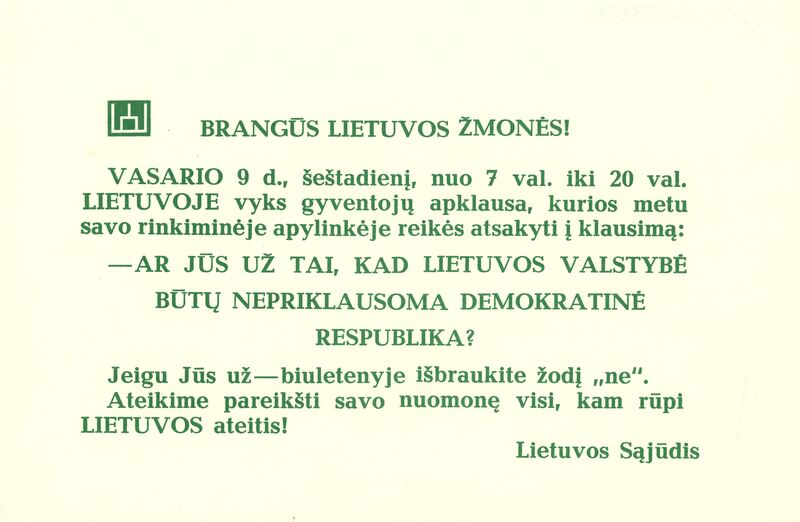
Gorbachev continued to claim that the people of Lithuania did not want independence, that they wanted to still be a part of the USSR. To counter this lie, the Lithuanian government held a referendum asking its citizens: Do you want Lithuania to be an independent Democratic Republic? The results were overwhelming; over 92% voted "yes," they wanted Lithuania to be an independent Democratic Republic. After this result, Iceland was the first nation to officially recognize Lithuanian independence.
1991 – 04
Sajudis-organized pro-Independence rally in Vingis Park in Vilnius.
Photo: Zenonas Nekrosius
1991 – 05
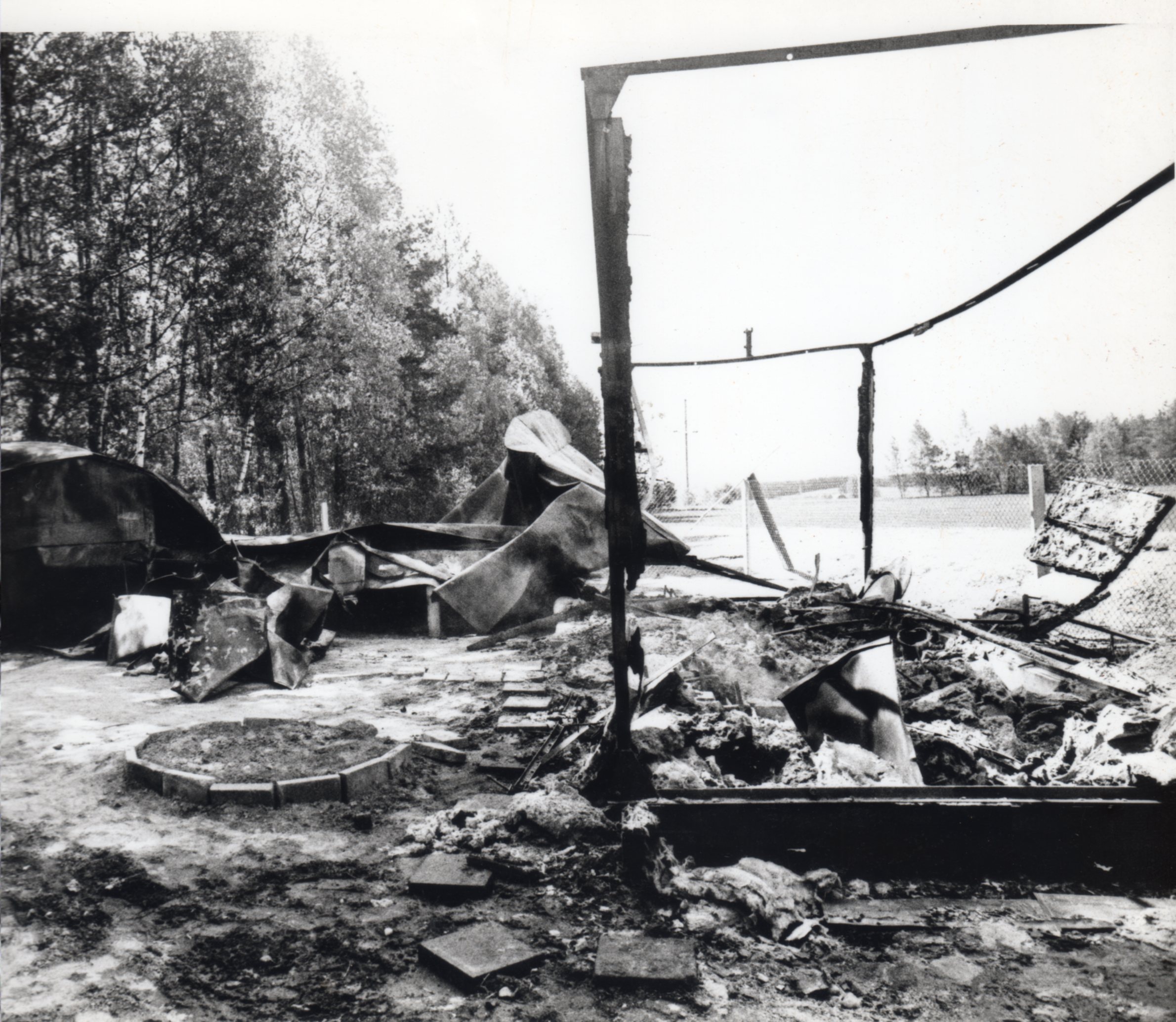
Soviet military attacked multiple Lithuanian border posts, beating the unarmed Lithuanian volunteers and destroying the posts.
1991 – 06
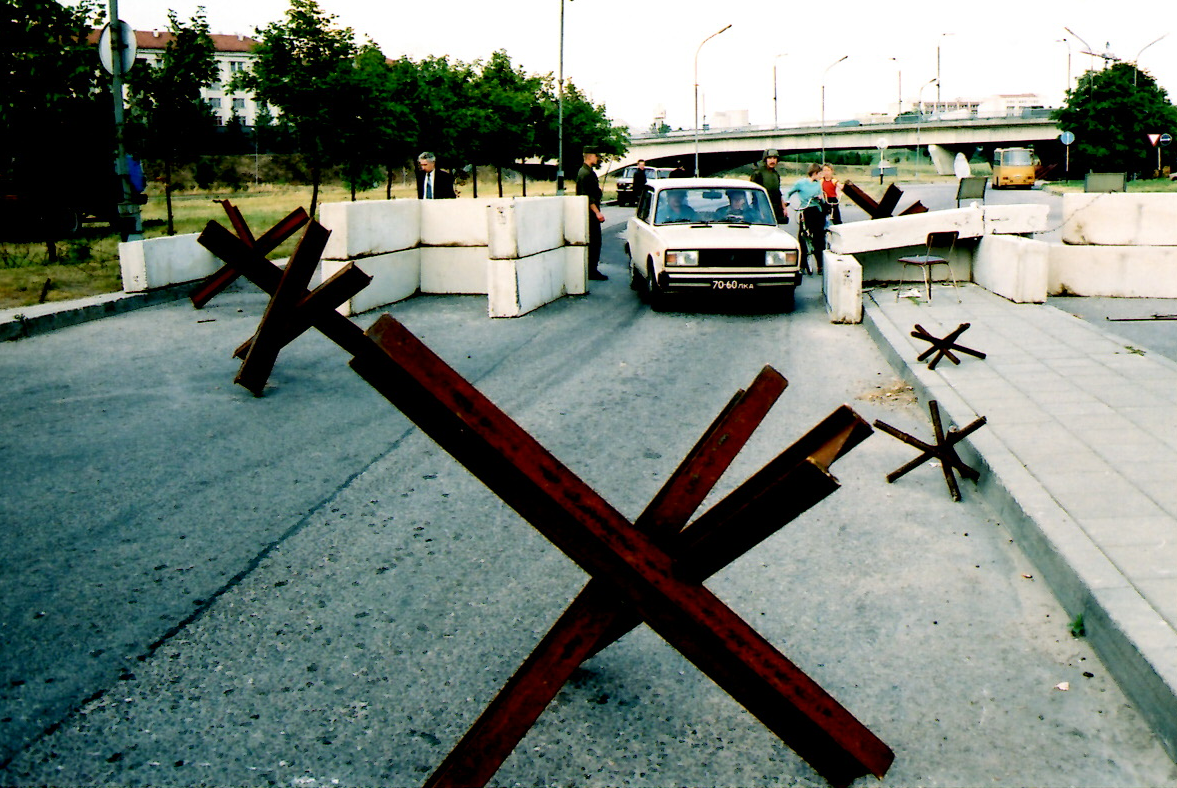
Lithuanian Checkpoint to enter the Parliament grounds.
1991 – 06 – 02
Six Soviet APCs arrived at the Medininkai post midday, but they did not attack. Seems this was psychological warfare or to plan the future July 31 murders of these volunteers.
1991 – 07 – 31
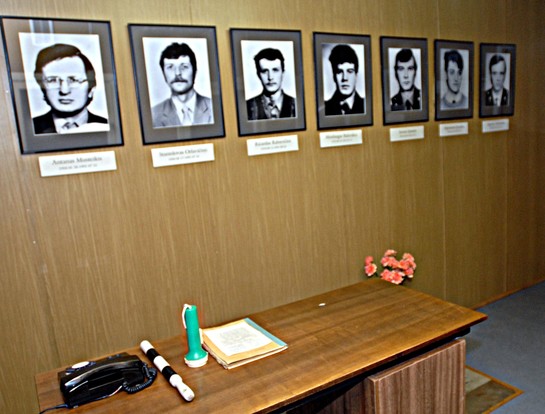
Inside the Medininkai post with the pictures of the victims executed by the Soviet military.
1991 – 08 – 04
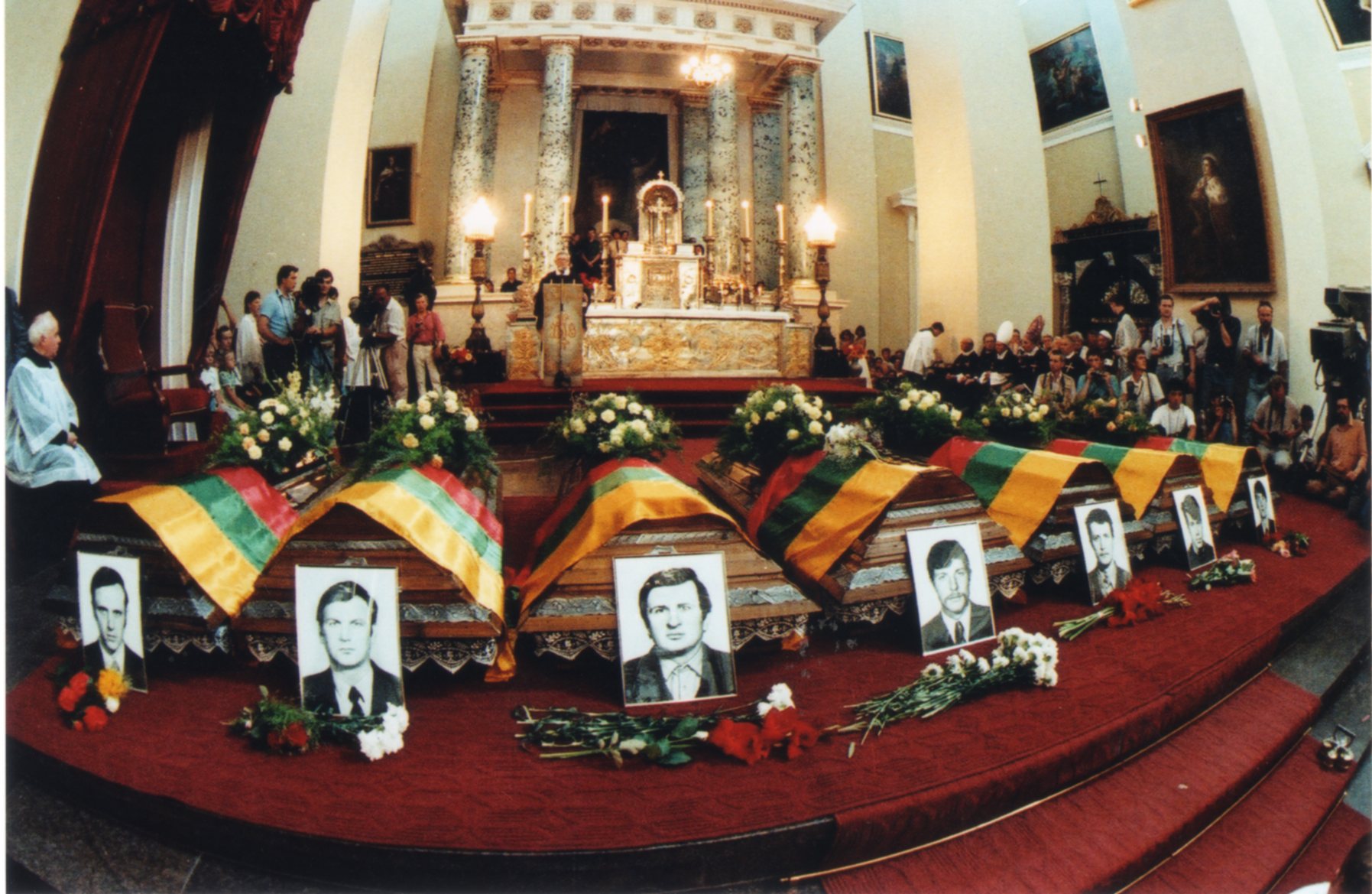
The funeral for the seven Lithuanian volunteers executed by the Soviet military at the Medininkai customs post.
1991 – 08 – 19
As the world watched the Soviet tanks in the streets of Moscow as Neo-Stalinists attempted to overthrow Gorbachev, Soviet tanks surrounded the Lithuanian Parliament building.
1991 – 08 – 19
Upon learning a Neo-Stalinist Coup was underway in Moscow, and know that would mean the Soviet military would attack Lithuanian parliament, men of all ages gathered to volunteer to defend the parlaiment building.
Photo: Zenonas Nekrošius
1991 – 08 – 19
Landsbergis speaking to the Lithuanian volunteer guards preparing to defend the Lithuanian parliament building during the Coup.
Photo: Zenonas Nekrošius
1991 – 08 – 20
Lithuanians serving as human shields at the Parliament building against the advancing Soviet tanks when Landsbergis ventured outside after midnight to meet with the crowd.
1991 – 08 – 22
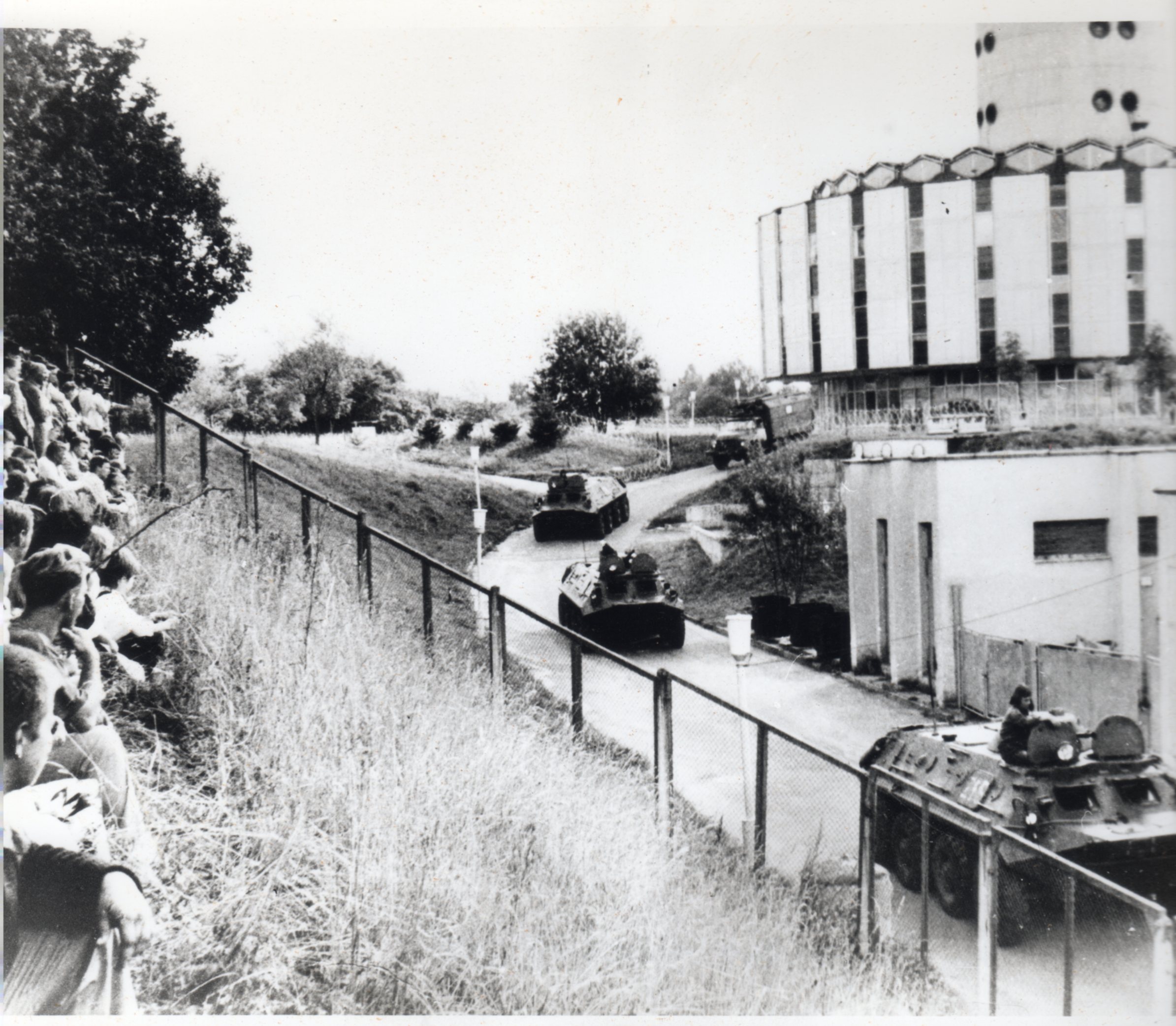
After the failed Neo-Stalinist August Coup, Gorbachev concedes to Landsbergis' ultimatum to withdraw Soviet troops from occupied buildings. The Soviet military withdraws from the Vilnius TV Tower.
Photo: R.Jurgaitis
1991 – 08 – 23
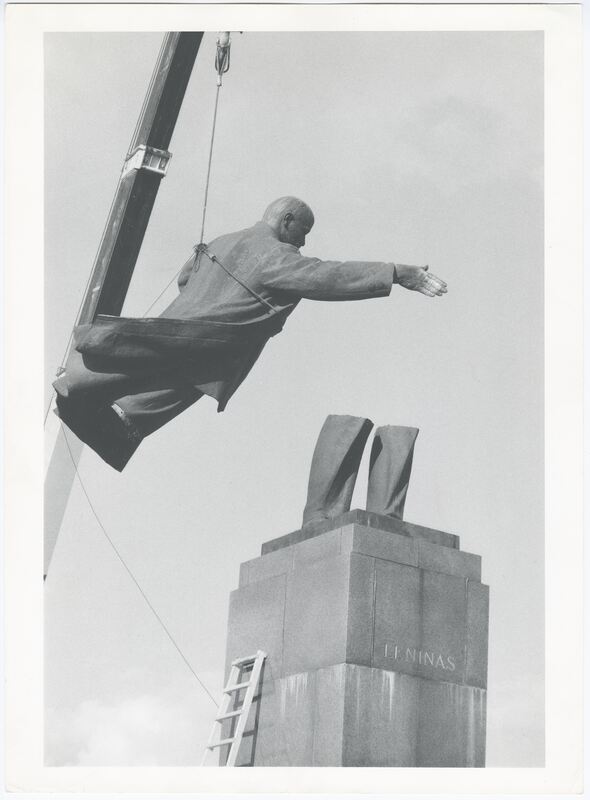
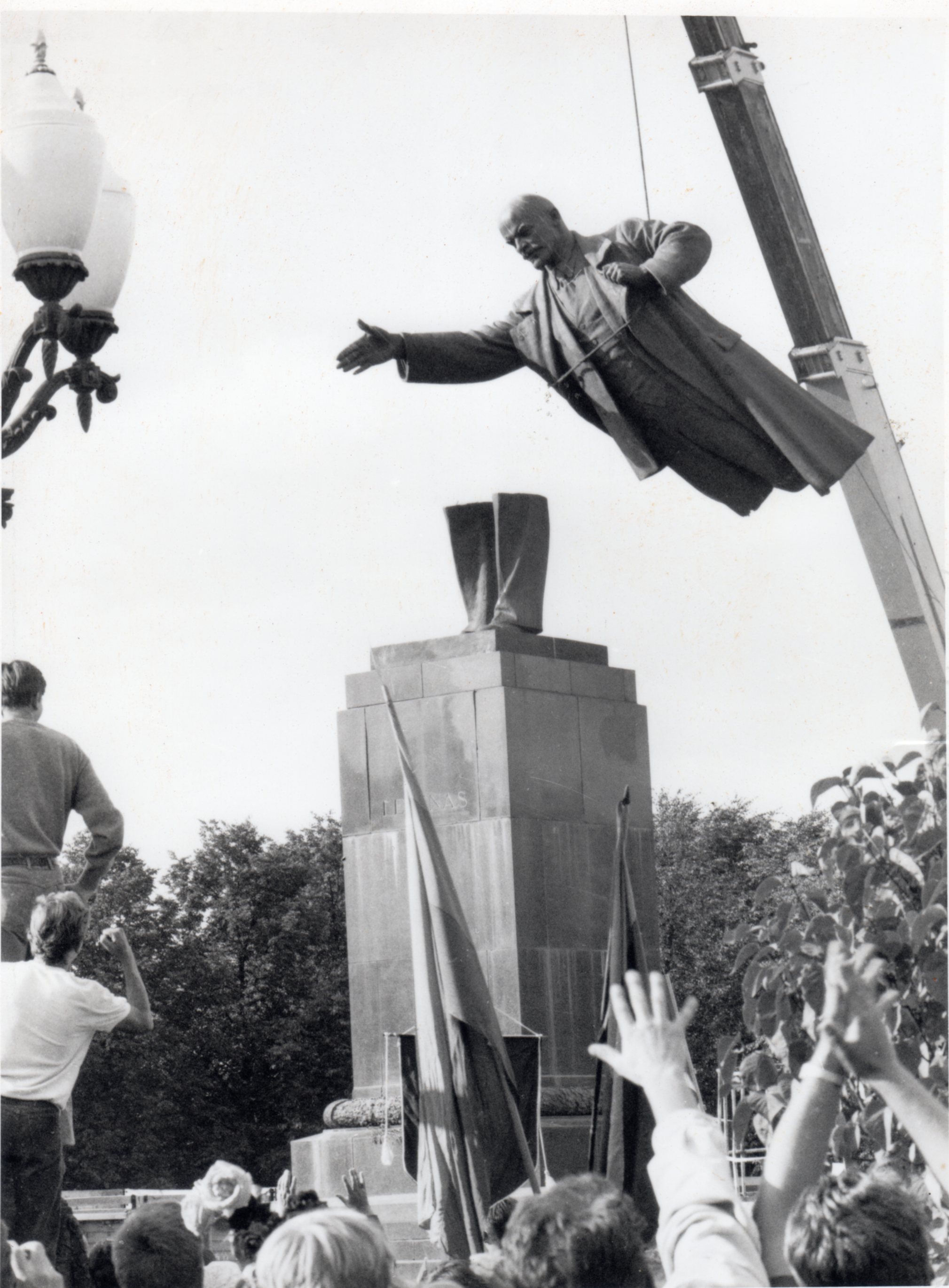
Lenin cut at his knees, giving his final farewell to Lithuania.
Photo: Zenonas Nekrošius
1991 – 08 – 23
The statue of Lenin is cut at the knees and removed by civilians. Across the street, at the KGB building, workers were burning papers to cover up Soviet crimes against Lithuania.
1991 – 08 – 23
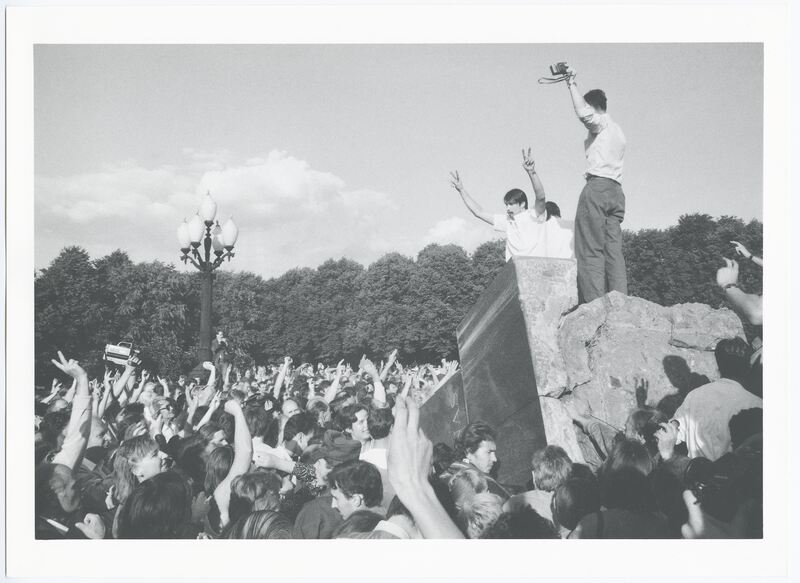
Lithuanians cheered when the Lenin statue was removed and swarmed the pedestal mound where Lenin once stood.
Photo: Zenonas Nekrošius