
ABOUT
An eyewitness to Lithuania’s fight for independence
Daiva Venckus is a speaker specializing in the Baltic Revolution and the Soviet Union’s collapse. Her work emphasizes a simple but powerful idea: history is not shaped only by governments and empires, but by ordinary people—and the choices they make.
As the American-born daughter of Lithuanian World War II refugees, Daiva grew up between two worlds. She was raised with a deep sense of responsibility to preserve Lithuanian culture, while also trying to find her place in American society. The Iron Curtain, which separated her from Soviet-occupied Lithuania, made that divide feel both distant and deeply personal.
In 1989, she traveled to Lithuania for the first time, walking in her grandparents’ footsteps and reconnecting with a homeland she had only known through stories. While questions about identity remained, she also saw the early cracks in the Soviet system as protests and dissent spread across the country.
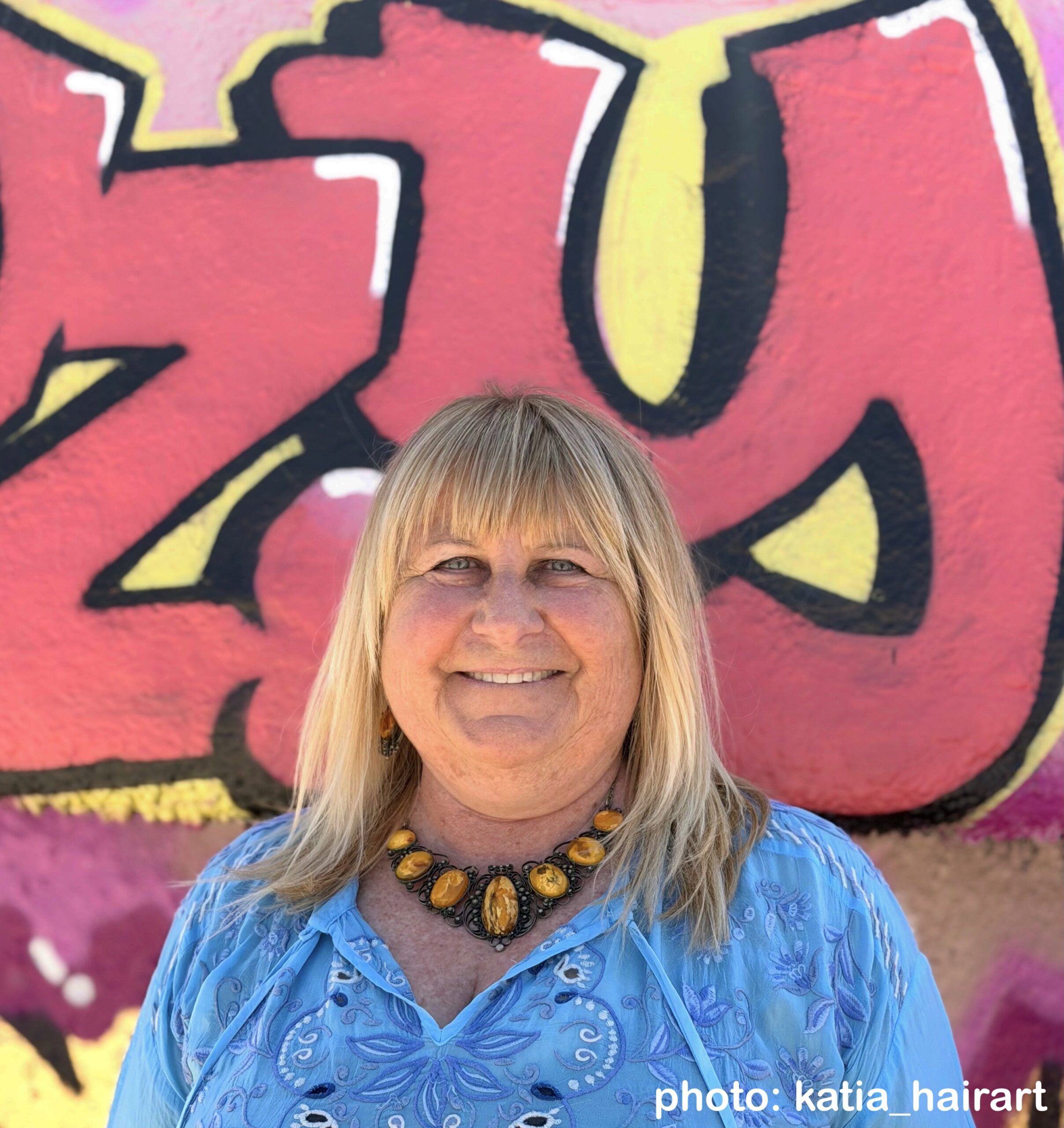
When she returned to the United States, that experience stayed with her. She became actively involved in the Baltic independence movement, was elected president of the Lithuanian Youth Association chapter in Los Angeles, and helped organize demonstrations and advocacy efforts across California. When Lithuania moved to reestablish independence in 1990, she was hired as the director of the Lithuanian Action Center in Los Angeles, coordinating diaspora activism and managing press relations across the western United States.
In January 1991, she returned to Lithuania, arriving just days after Soviet forces killed civilians and seized the Vilnius TV Tower during the January Events.
Answering a call for English translators, Daiva joined the resistance inside government barricades. She worked to counter Kremlin propaganda while facing Soviet military threats, KGB intimidation, and daily shortages during a critical moment in Lithuania’s fight for independence.
At the Lithuanian Parliament in Vilnius, she served as a press spokesperson, editor, and translator. She wrote and distributed government press releases, contributed to Baltic newspapers, managed daily press briefings, and worked directly with international media, providing information, coordinating coverage, and giving live interviews as events unfolded.
As Lithuania fought to restore independence,
Daiva came to understand that the stakes were deeply personal.
If Lithuania were erased, her heritage—and her own sense of identity—would be as well.
Her journey to reconcile that dual identity unfolded alongside
the country’s fight for self-determination.
For her contributions during the independence movement, Daiva was awarded the Lithuanian State Honor, the Commemorative Medal of January 13, by President Valdas Adamkus.
Today, Daiva is a sought-after speaker and a trusted primary source for filmmakers and researchers exploring the Baltic independence movement. She has guest lectured and presented at schools, universities, and conferences, including Yale University’s Baltic & Scandinavian Conference, the University of Arizona, the University of Pittsburgh, Notre Dame Academy, and Calthorpe Middle School in Santa Monica, California.
Through her speaking, Daiva brings together lived experience and historical insight—helping audiences understand how change happens and how individuals can shape the course of history.
Daiva earned her Master’s degree in Humanities (with an emphasis in Cultural Studies) at Mount St. Mary’s University. She earned her Bachelor’s degree in Political Science (with a minor in Philosophy) from Loyola Marymount University.
Daiva’s Story in pictures
Roots & Inheritance
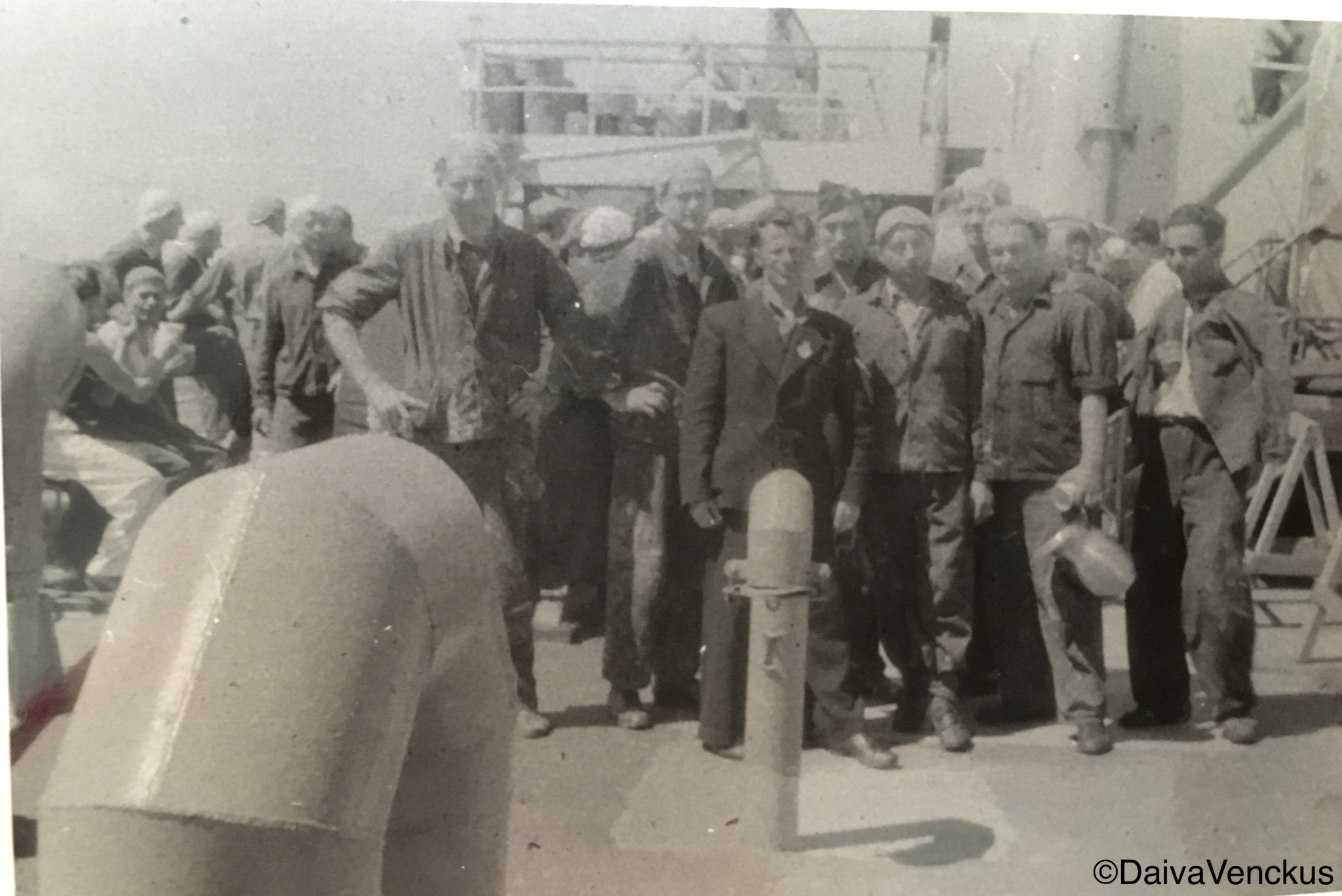
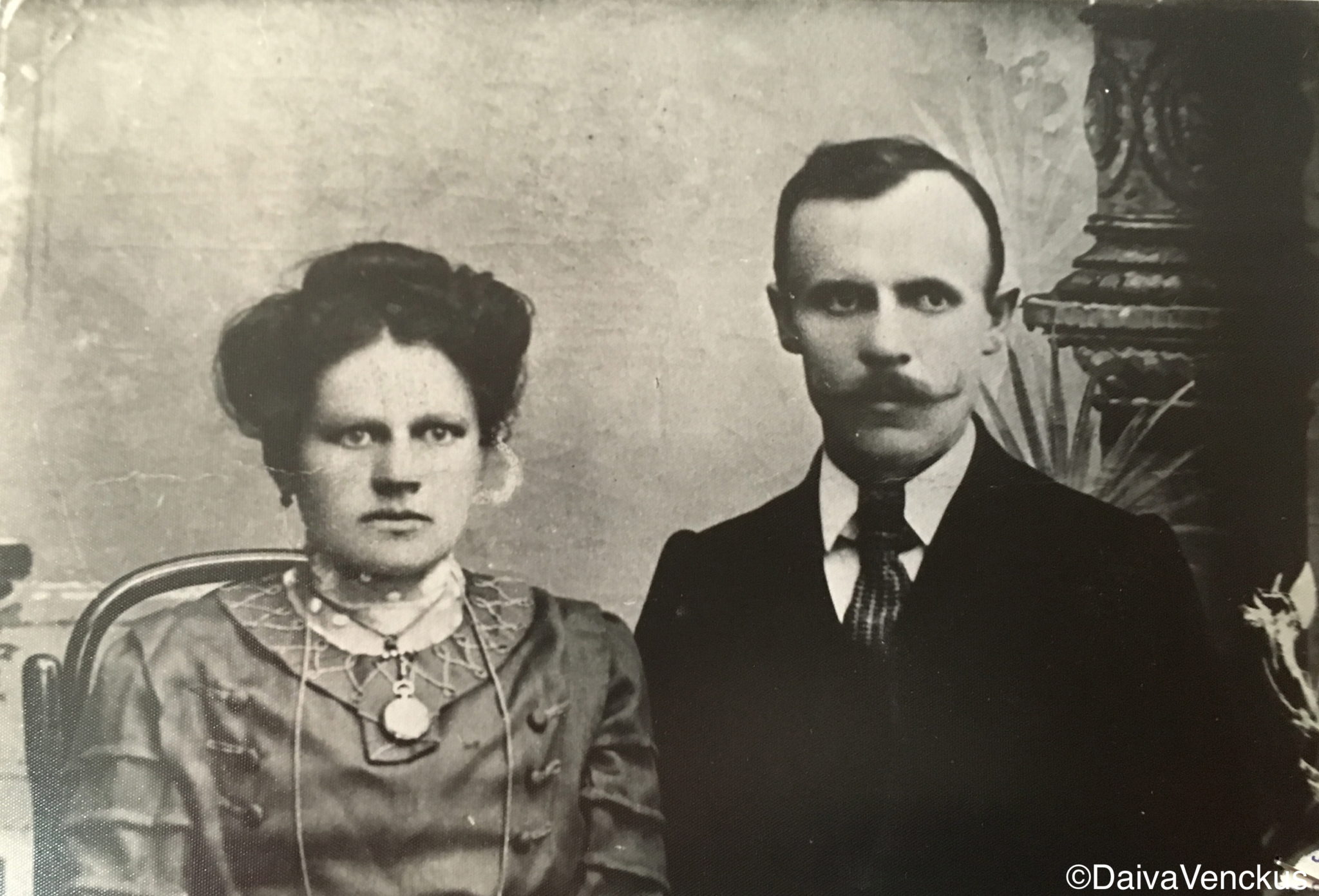
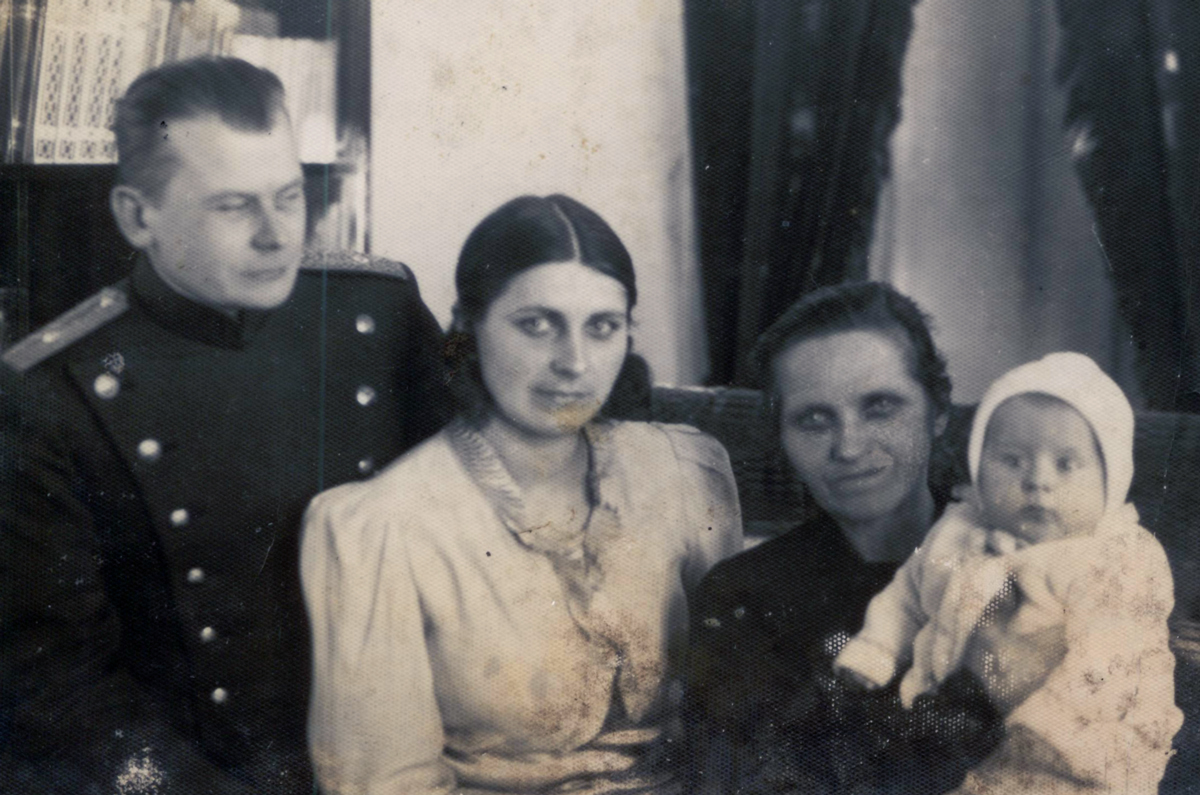
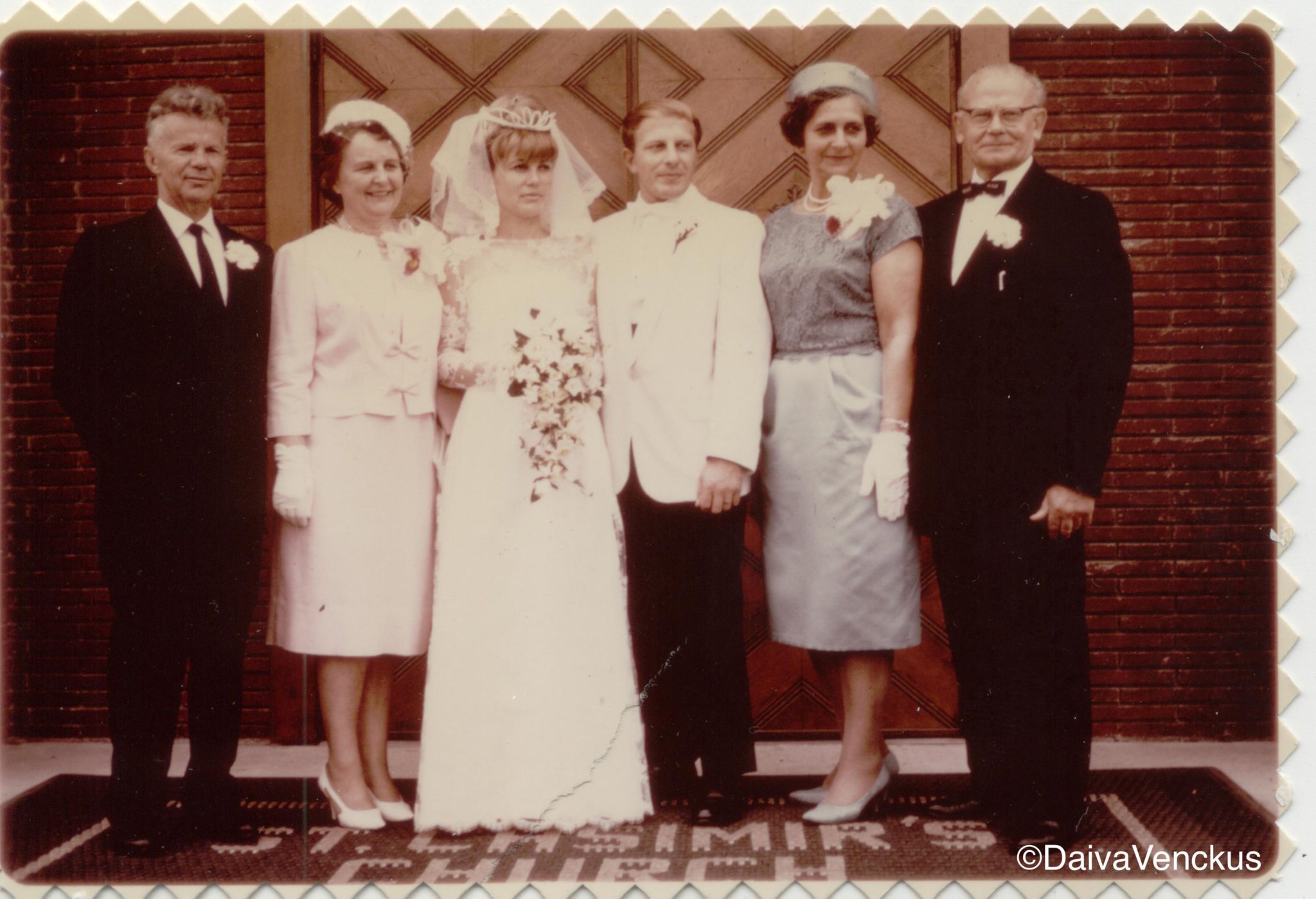
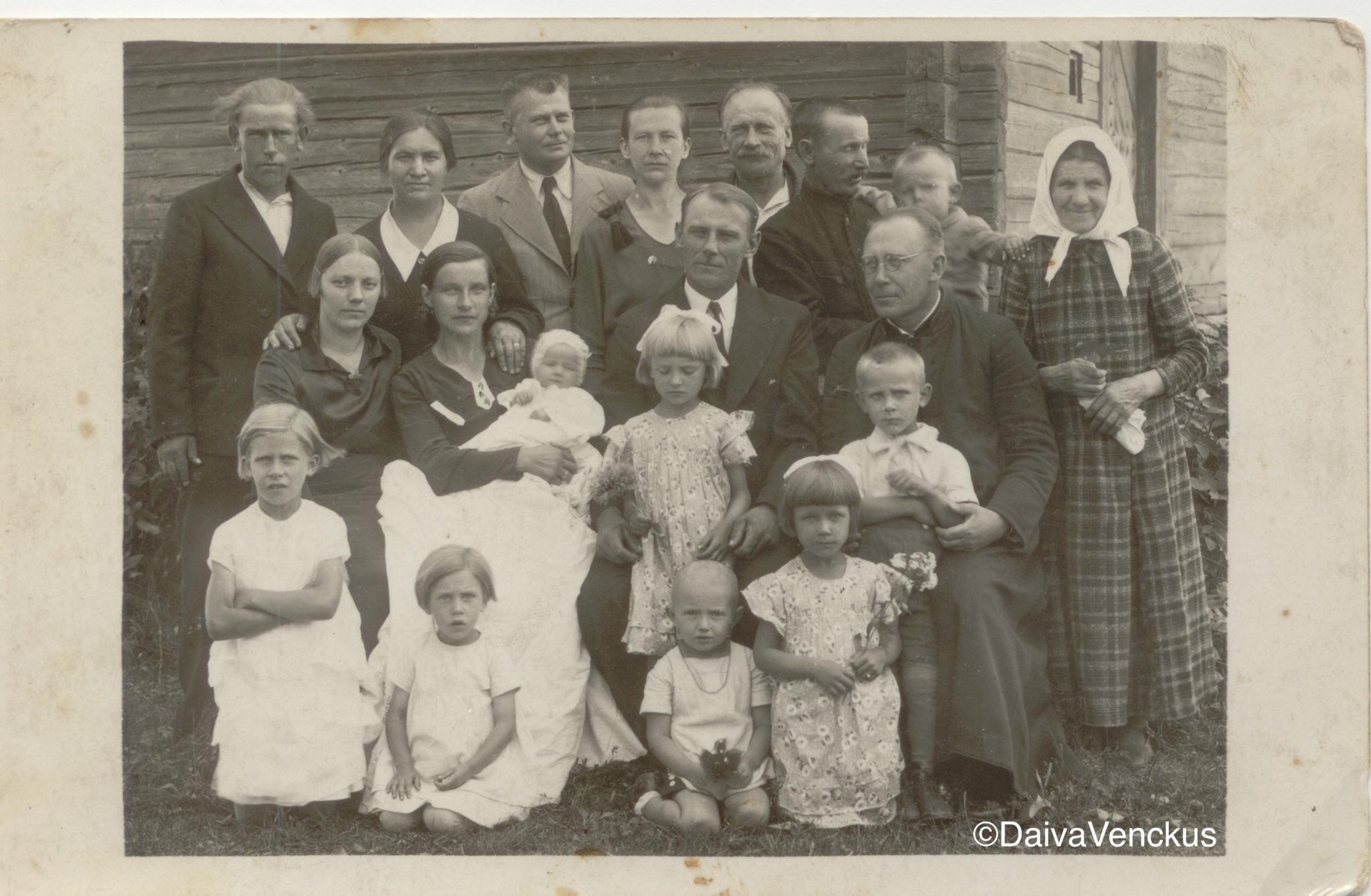
These images trace my family’s story across generations—from Lithuania in the 19th century to exile during World War II and political asylum in the United States.
As the American-born daughter of Lithuanian refugees, I grew up shaped by memory, tradition, and a deep responsibility to preserve a culture that had been forcibly left behind.
This inheritance defined my sense of identity, even as I struggled to reconcile what it meant to belong to two worlds.
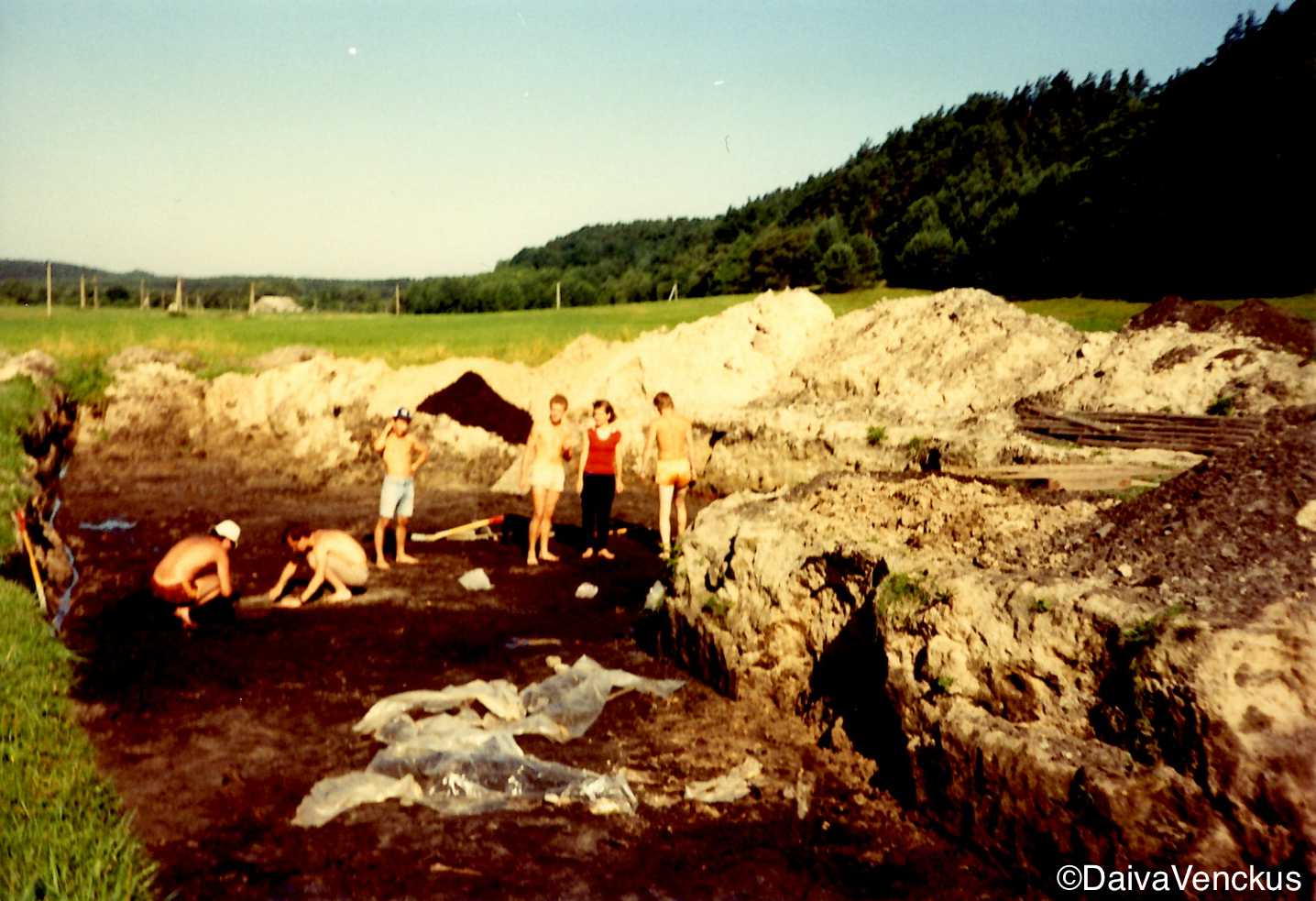
Crossing the Iron Curtain
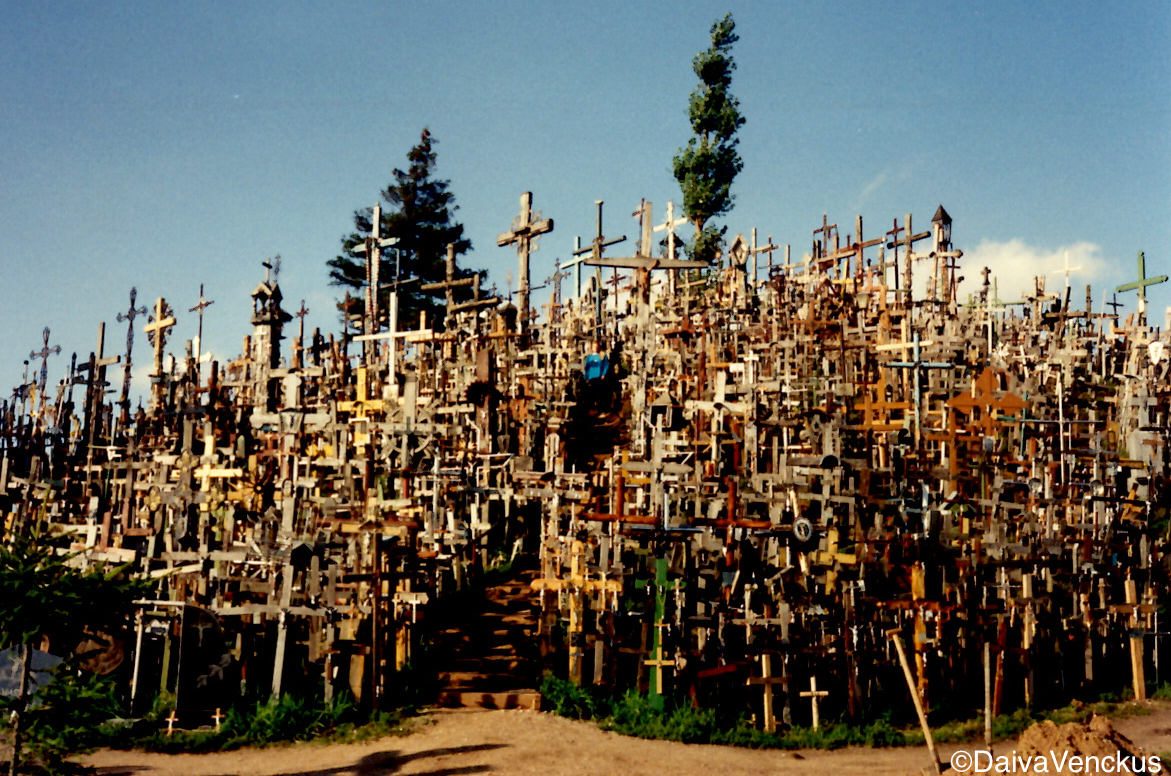
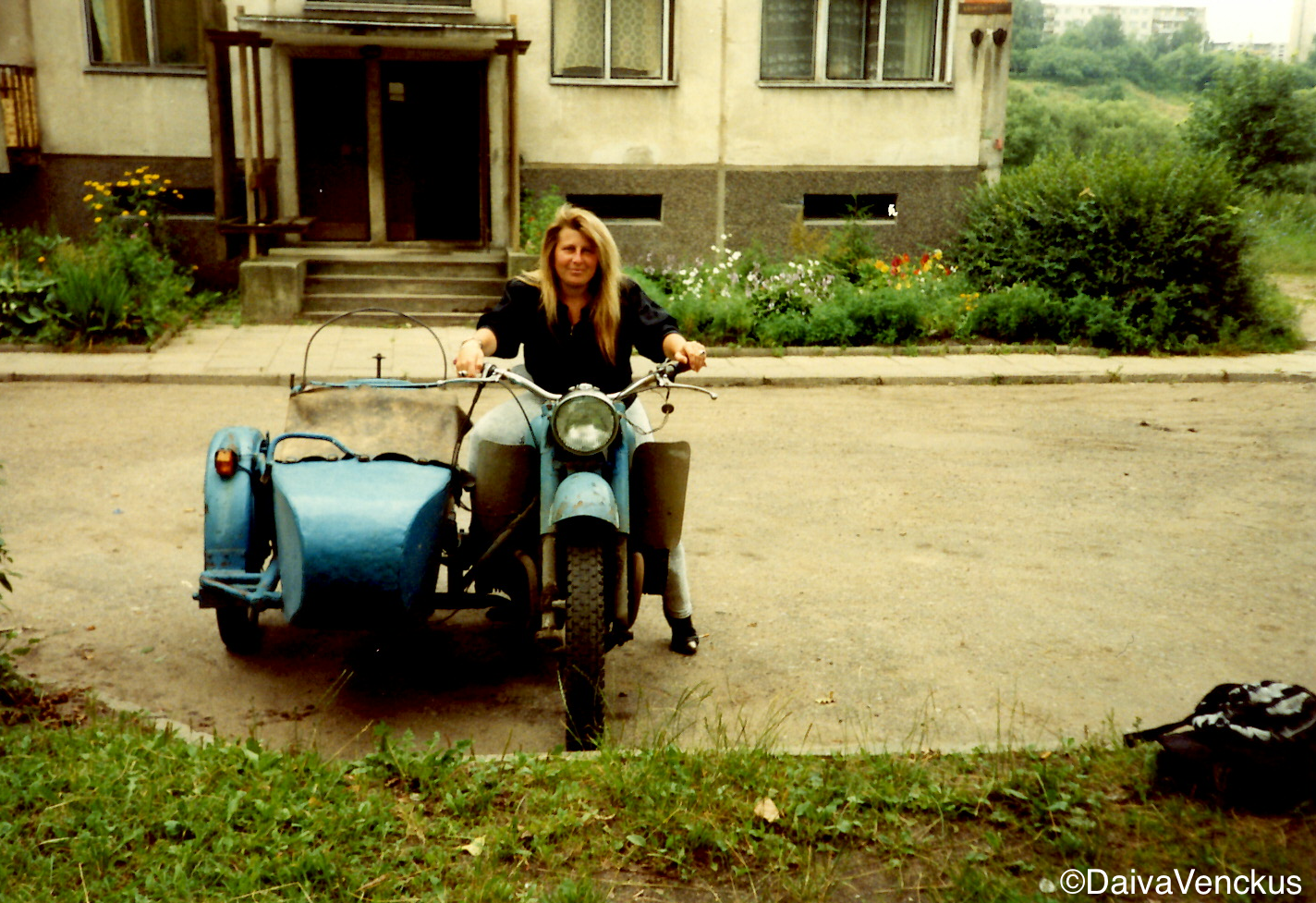
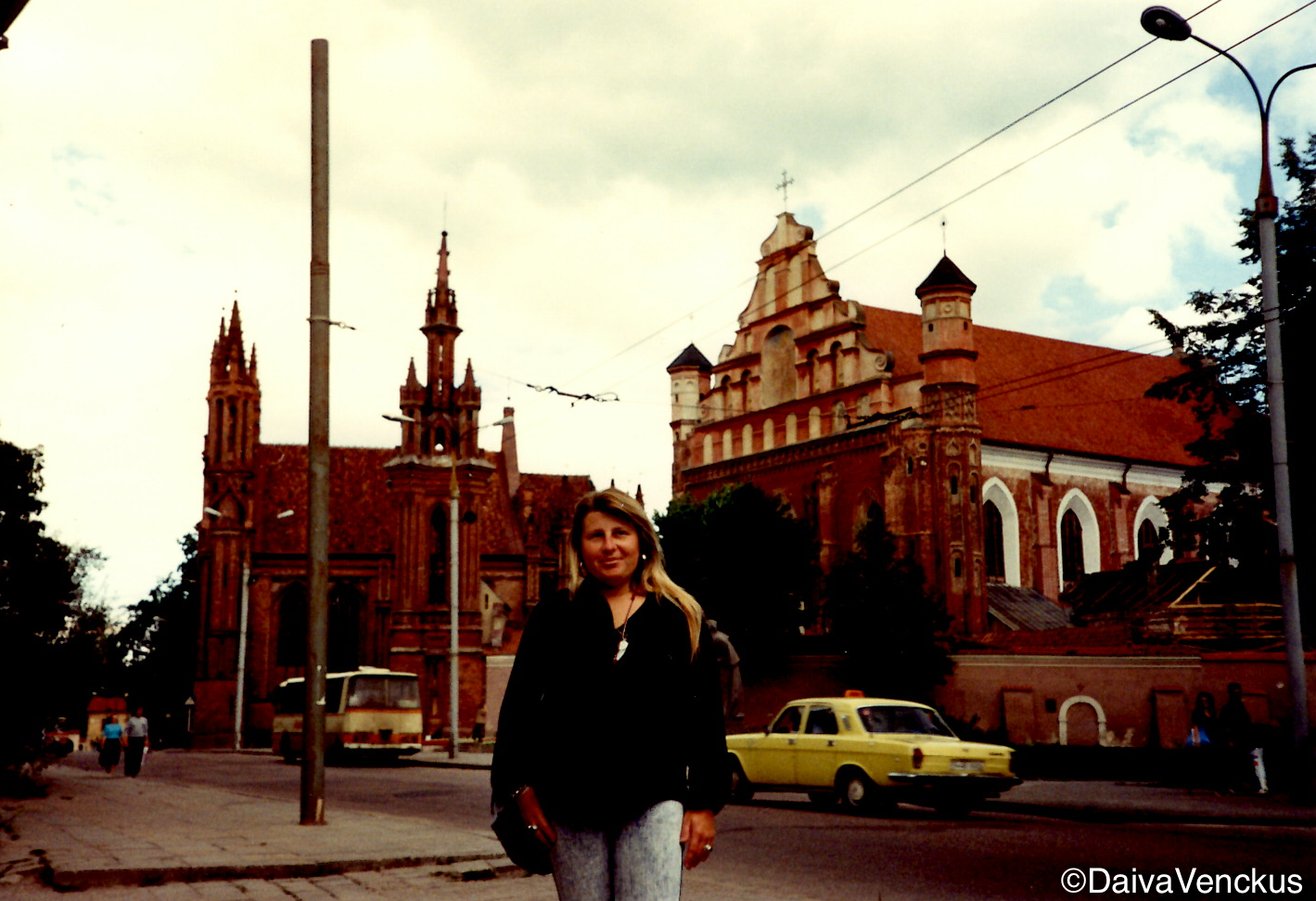
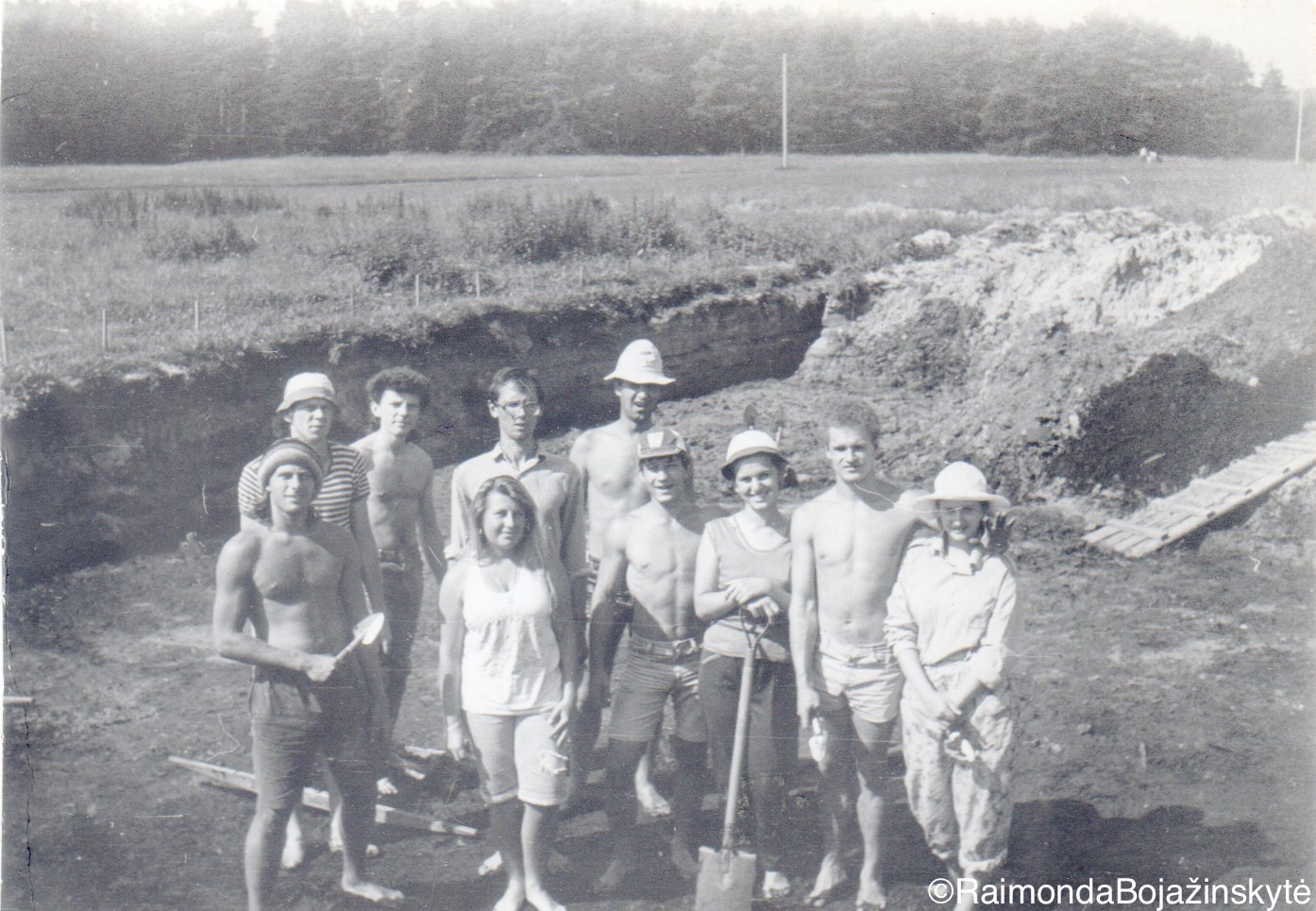
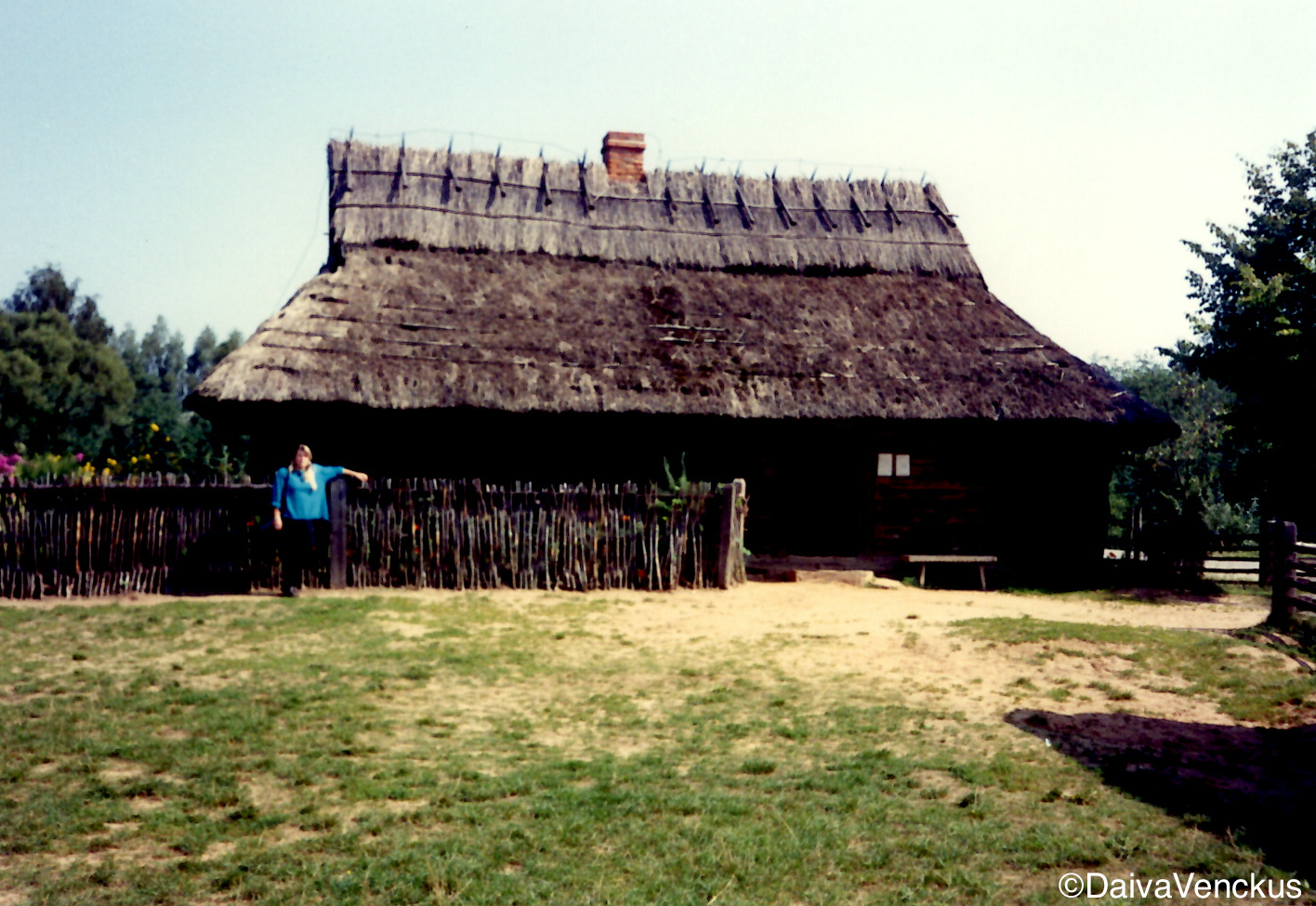
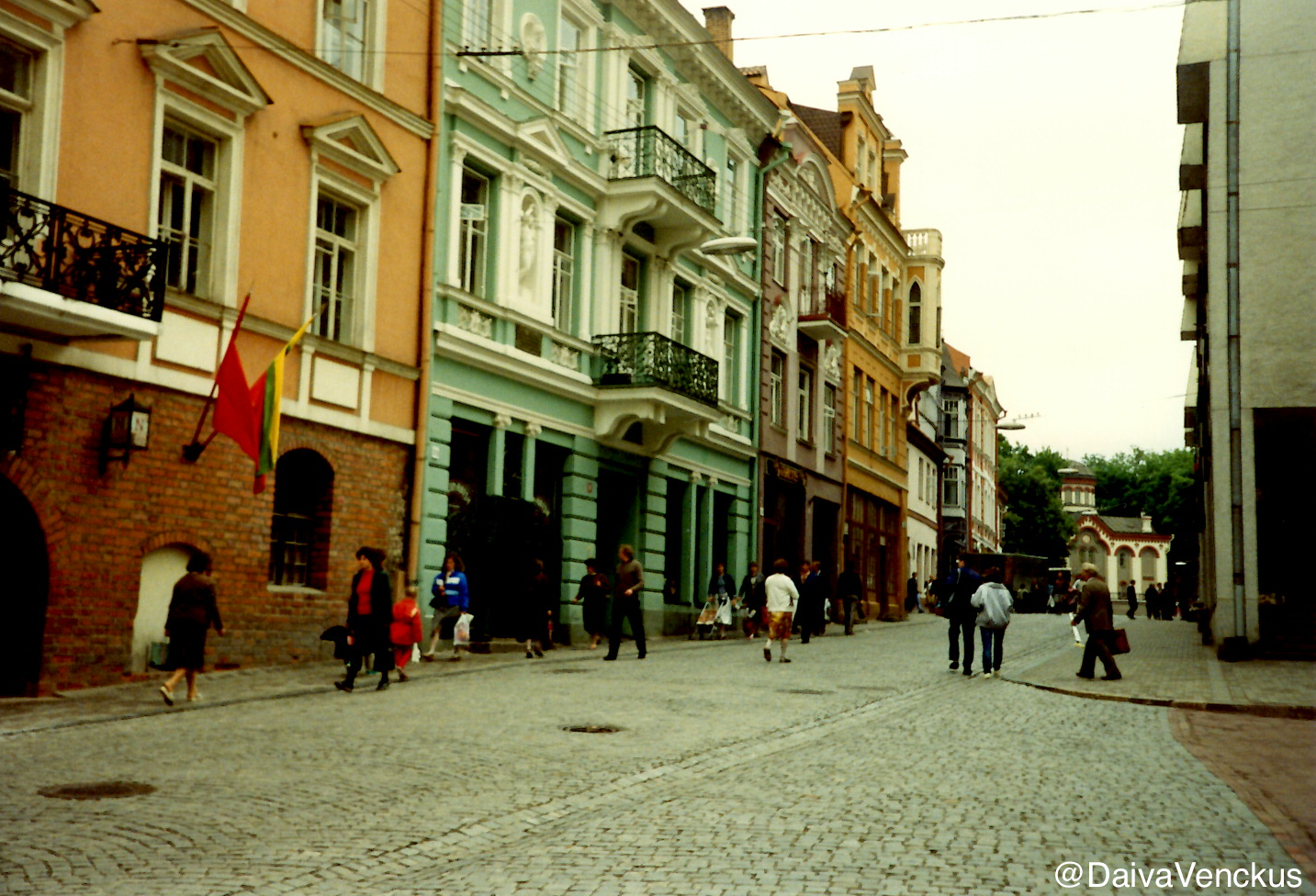
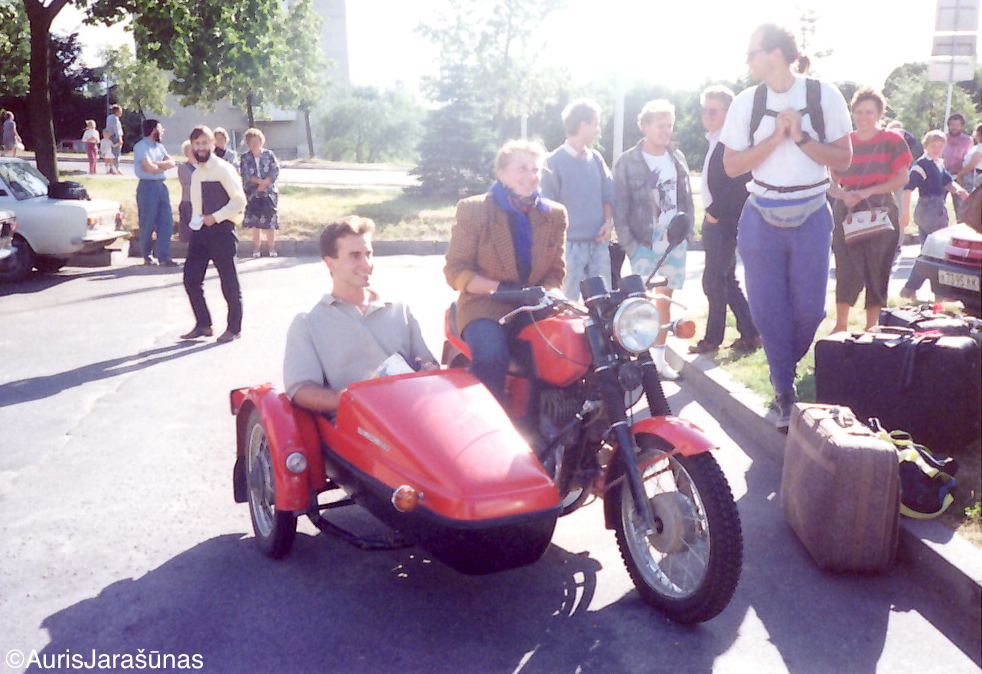
In 1989, I crossed the Iron Curtain for the first time, traveling to Soviet-occupied Lithuania to reconnect with the homeland I had only known through stories.
This journey marked a turning point—where personal identity and historical reality began to converge, and where my understanding of Lithuania shifted from memory to lived experience.
I was inspired to lead diaspora political activism in the United States, supporting Lithuania’s fight for independence.
Inside the Revolution
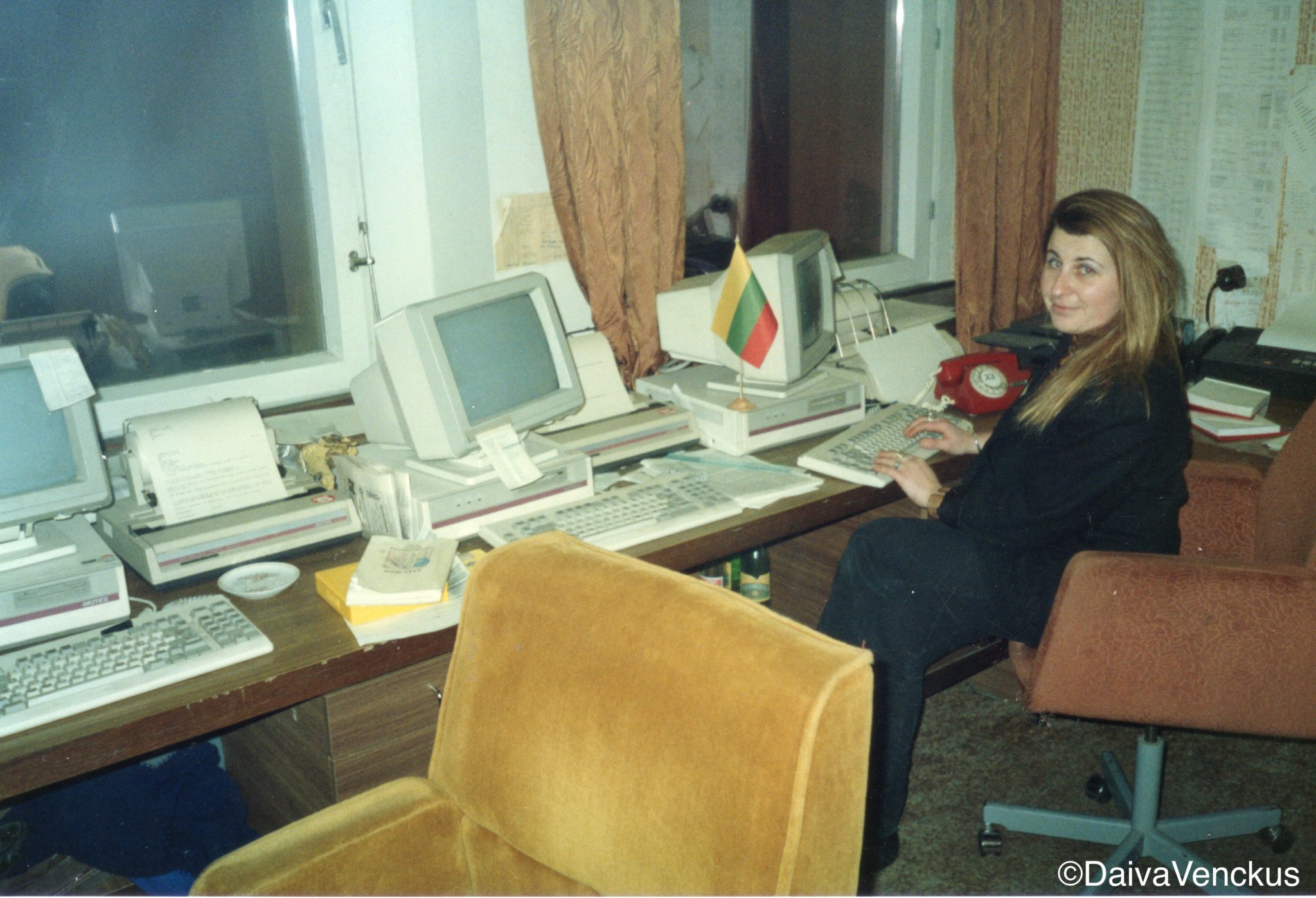
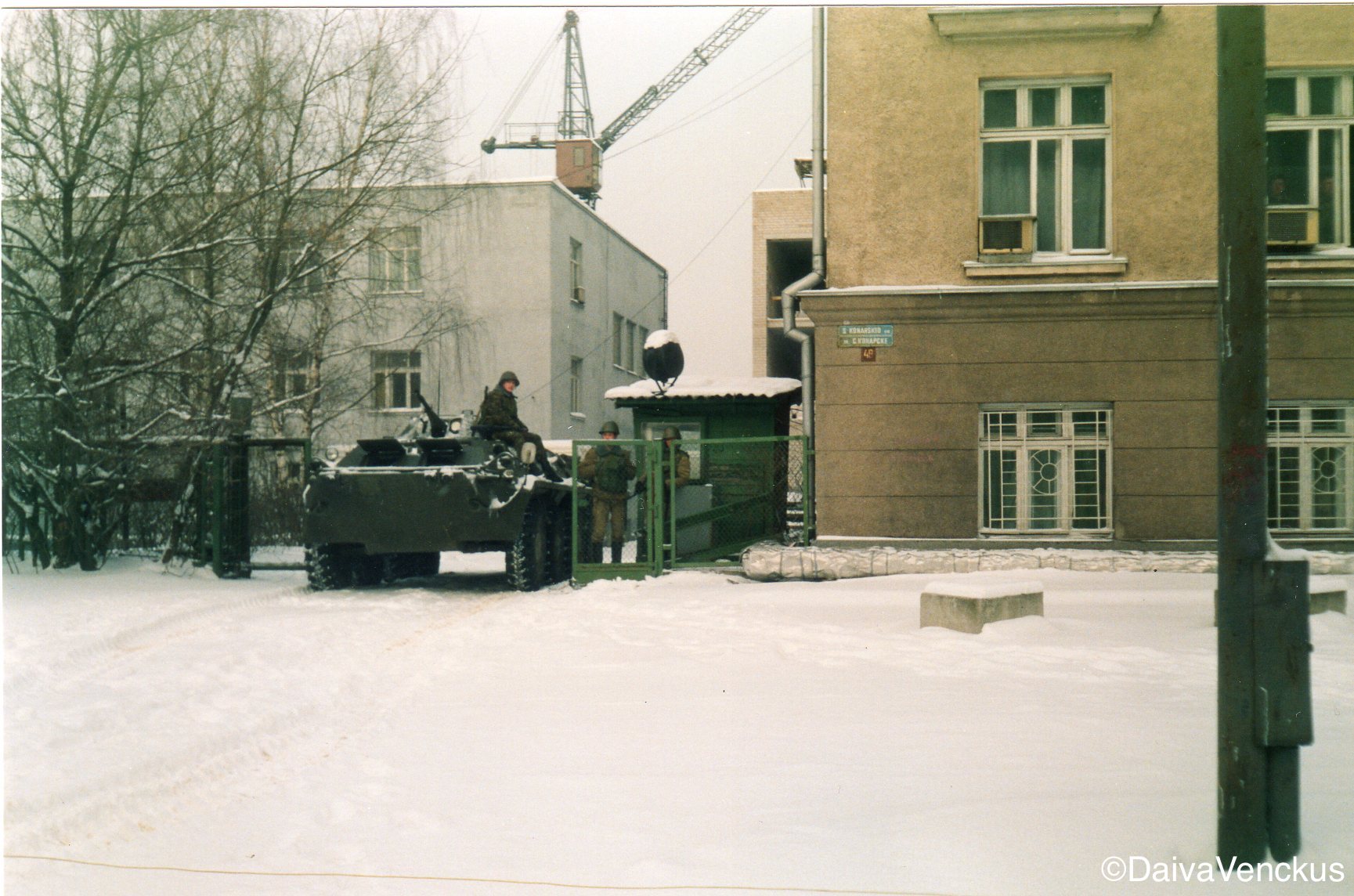
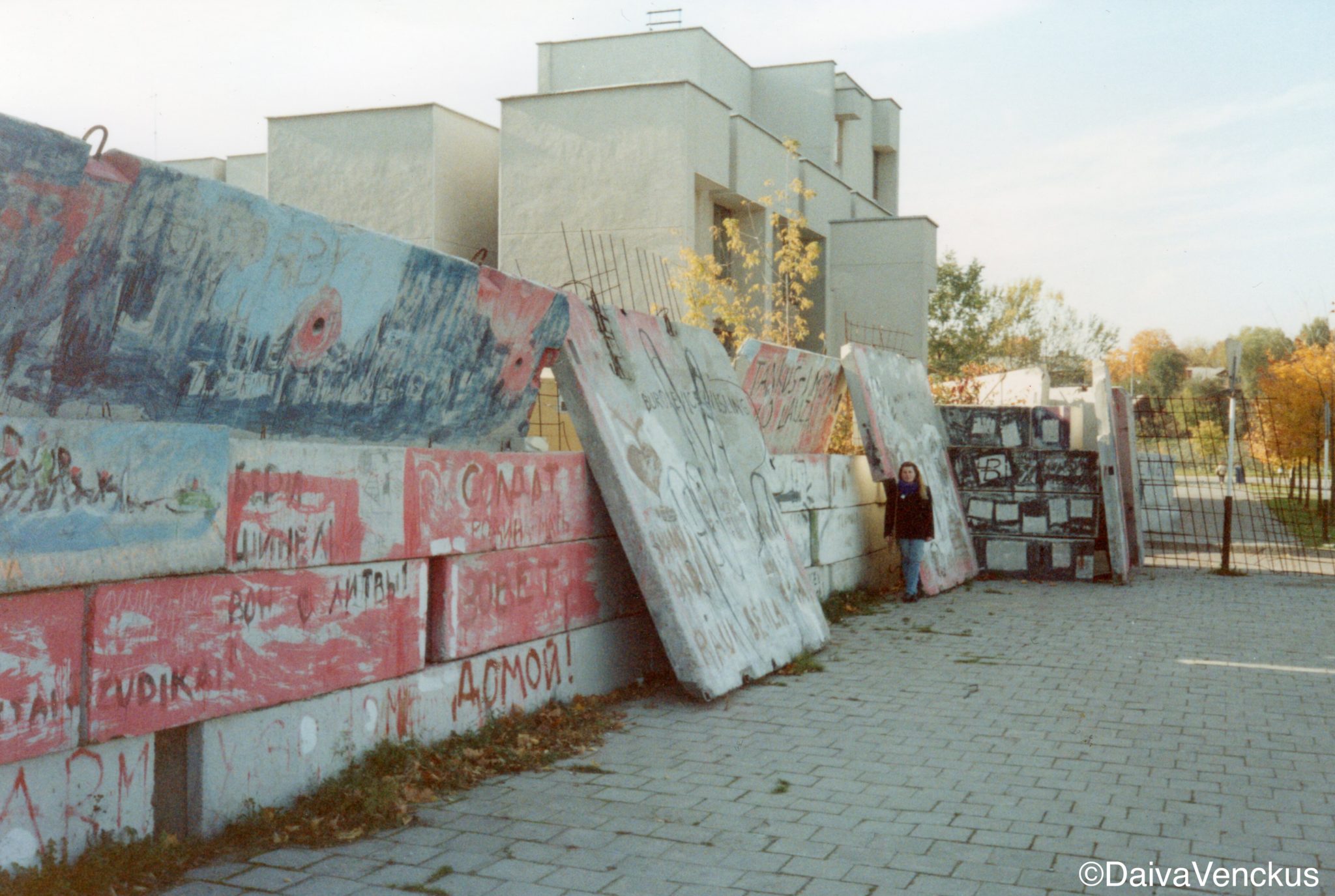
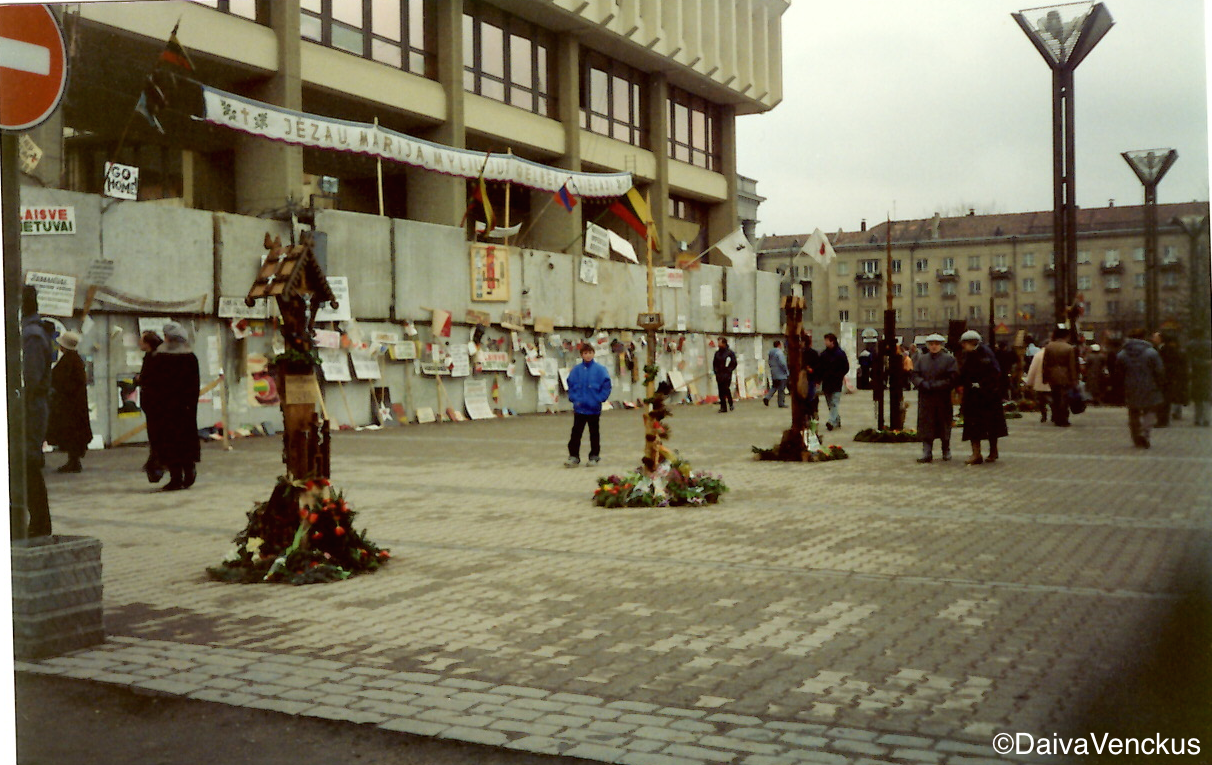
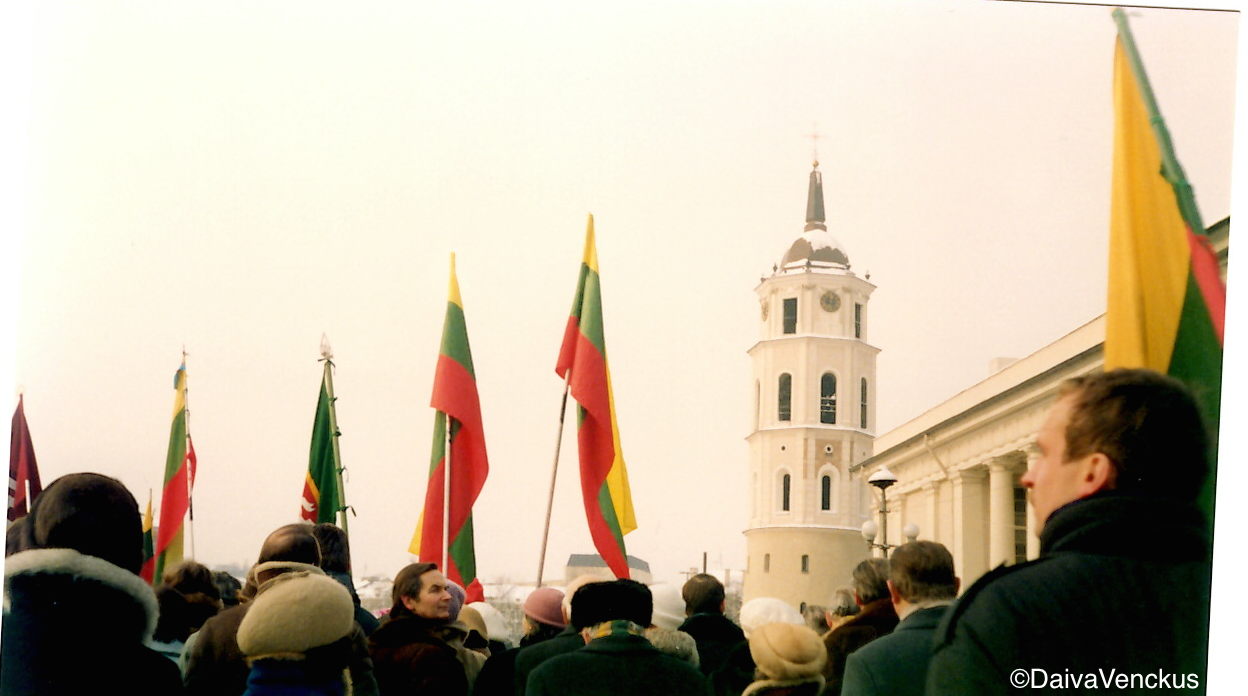
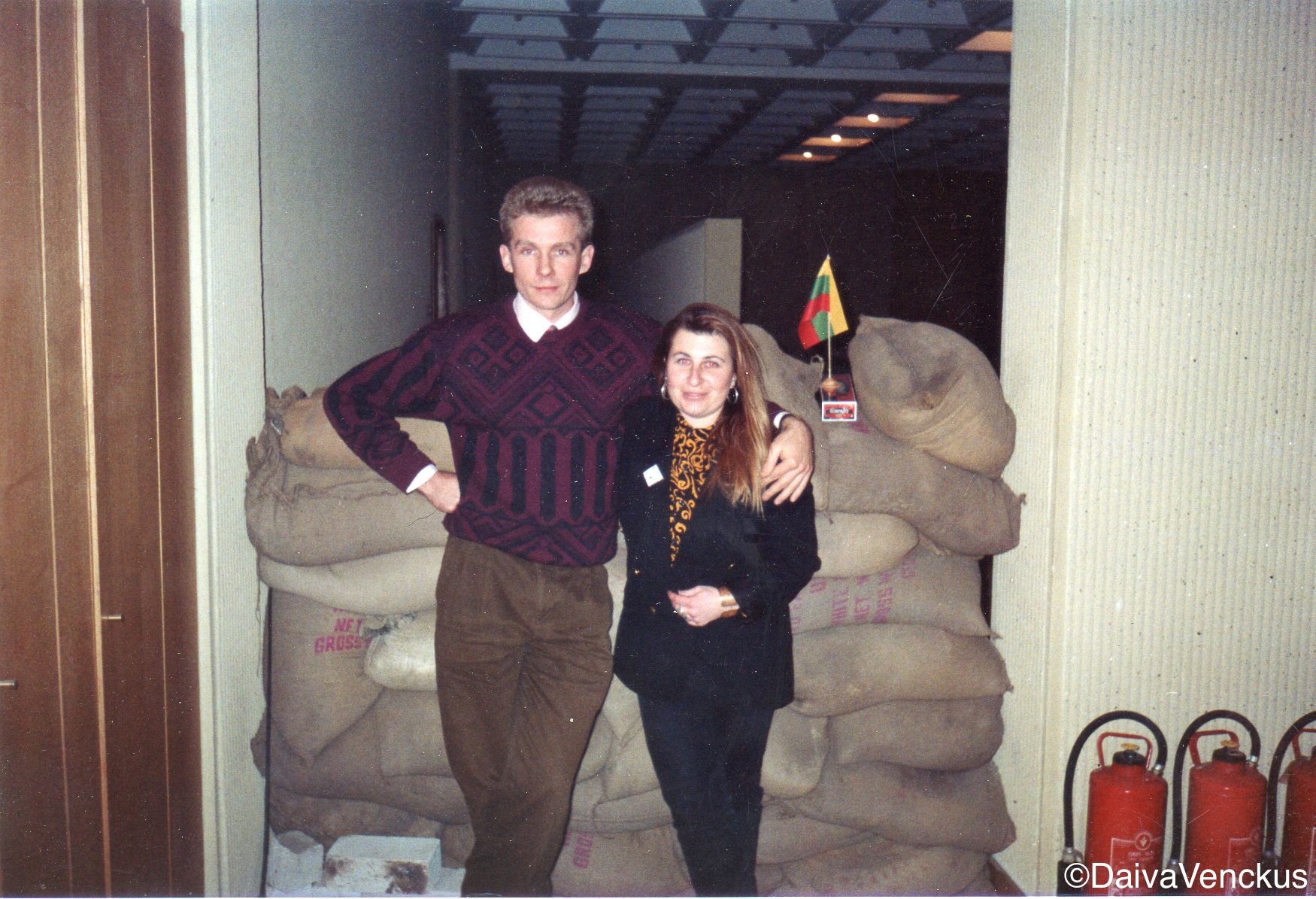
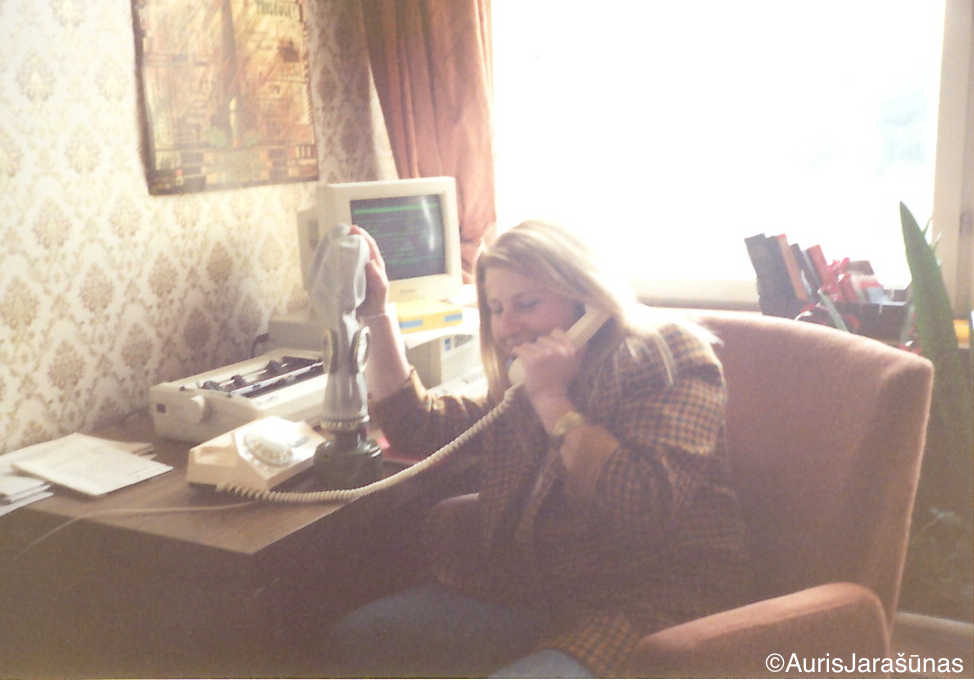
In January 1991, I returned to Lithuania and found myself in a nation under siege.
Working inside the Lithuanian Parliament, I joined the effort to defend independence—helping communicate with the international press as Soviet forces surrounded the city.
These images capture a moment of uncertainty, courage, and resolve, when ordinary people stood against overwhelming power and history unfolded in real time.

Freedom & Identity Reclaimed
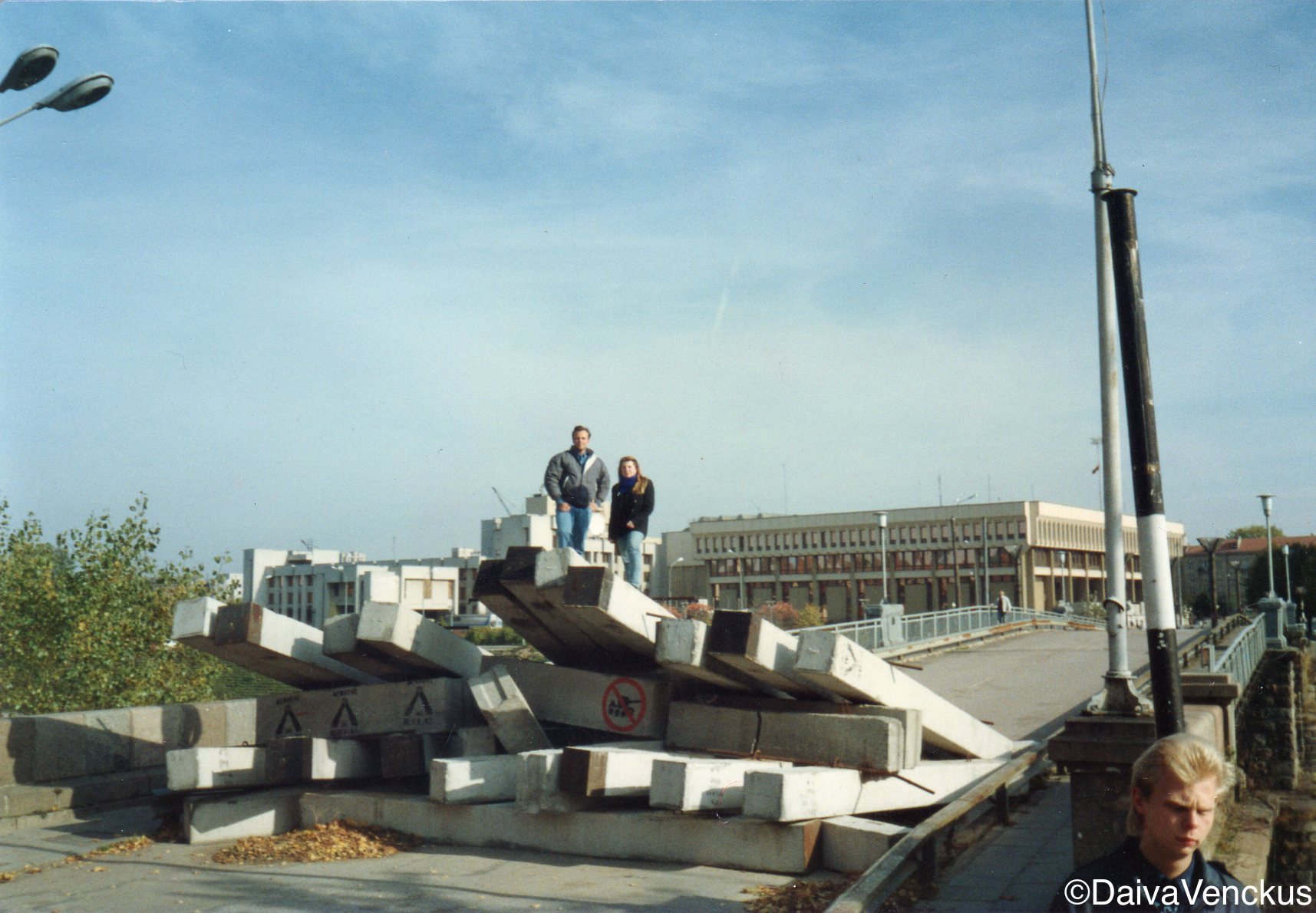
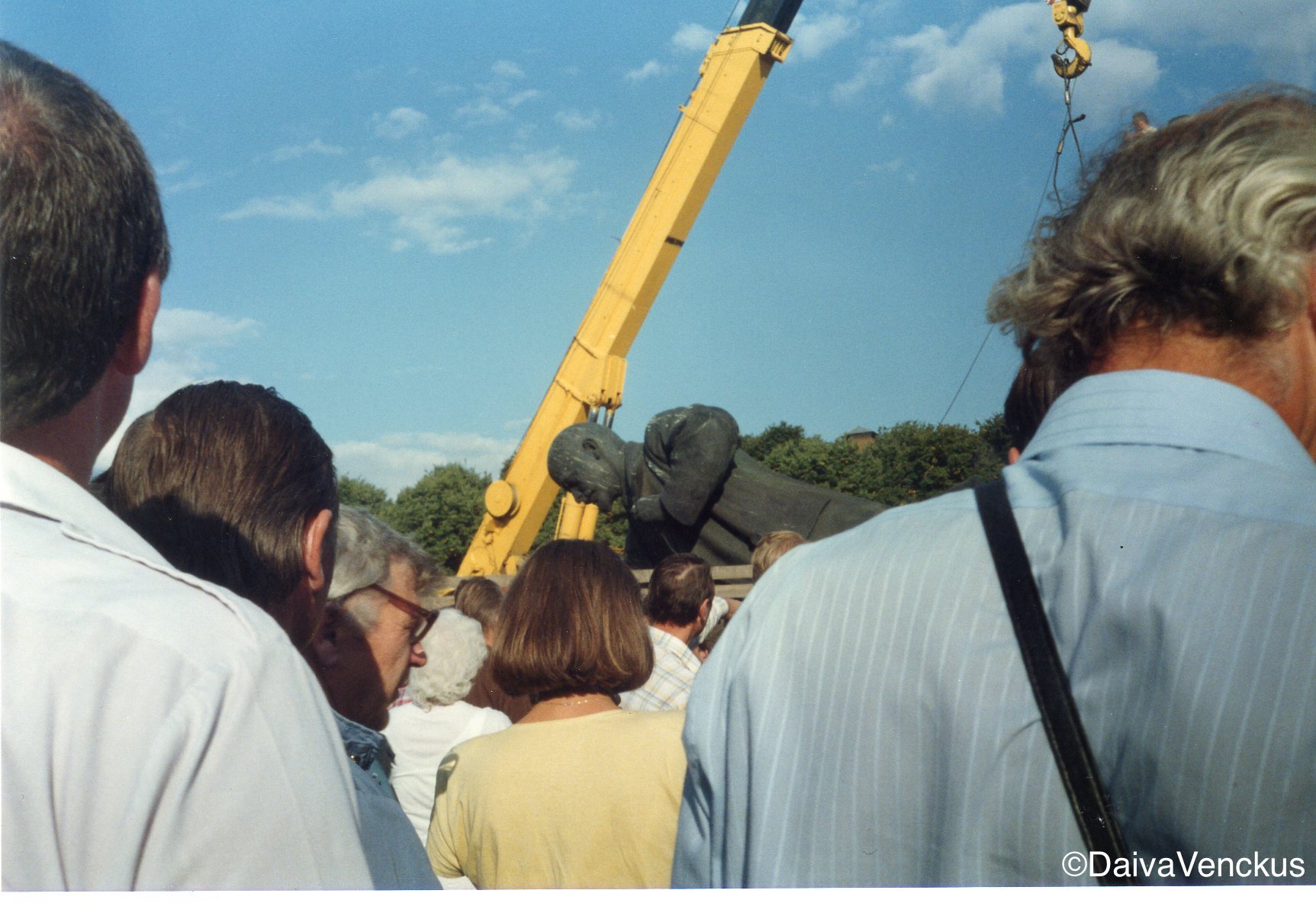
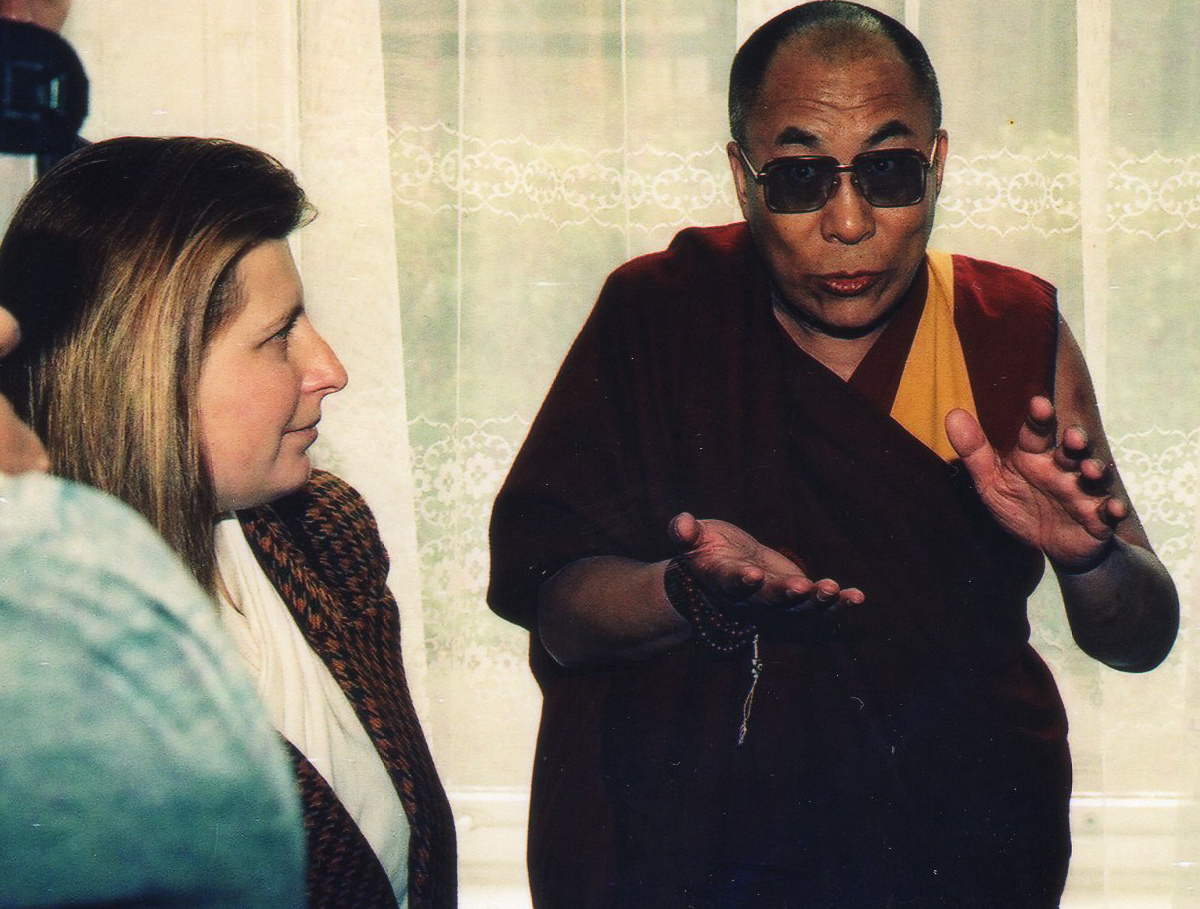
As Lithuania moved toward independence, the struggle became more than political—it was deeply personal.
The restoration of freedom affirmed not only a nation’s right to exist, but also the identities shaped by its history.
These images reflect a period of transformation, where the fight for sovereignty and the search for personal belonging became inseparable, revealing how individual and national identity can be reclaimed together.


Upcoming Book
A ONE-WAY TICKET TO THE REVOLUTION is a memoir of an American-Lithuanian searching for her identity who finds herself on the front lines of Lithuania’s struggle for independence.
As her personal search for identity collides with the collapse of Soviet power, she discovers that reclaiming a nation and reclaiming oneself can become part of the same revolution.