CLASSROOM RESOURCES
Lithuanian History Timeline
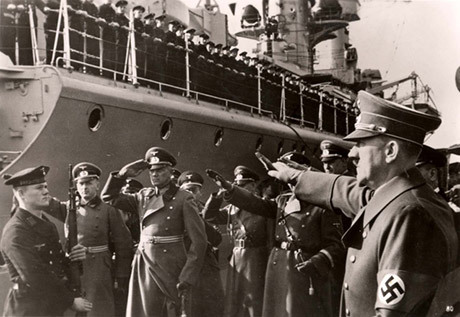
Nazi Germany demanded that Lithuania turn over control of the Klaipėda region or else face war.
The Western powers followed a policy of appeasement toward Hitler and could not help diplomatically.
Therefore, to avoid war, Lithuania was left with no choice but to hand over control of the Klaipėda region to Nazi Germany.
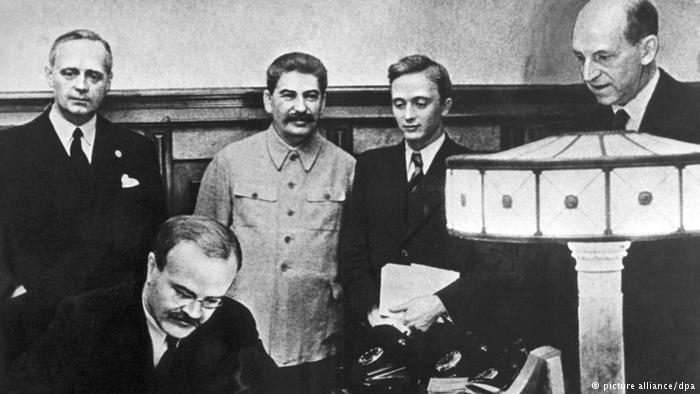
Also known as the Hitler-Stalin Pact, the Molotov-Ribbentrop Pact outlined the terms under which Stalin and Hitler agreed not to attack each other while dividing the spoils of their respective invasions, which helped set the stage for World War II.
The Pact included secret protocols placing Finland, Estonia, and Latvia in the USSR’s sphere of influence, while placing Poland and Lithuania in Germany’s.
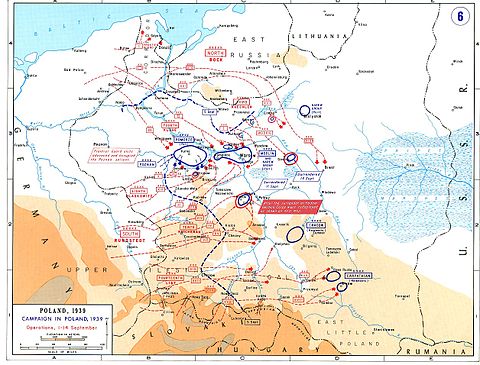
World War II begins with the Nazi invasion of Poland.
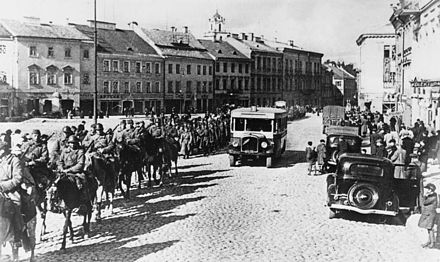
The Soviet Army with a force of 800,000 soldiers, invaded Poland as detailed in the Molotov-Ribbentrop Pact.
This included the Vilnius region which was occupied by Poland since 1920.
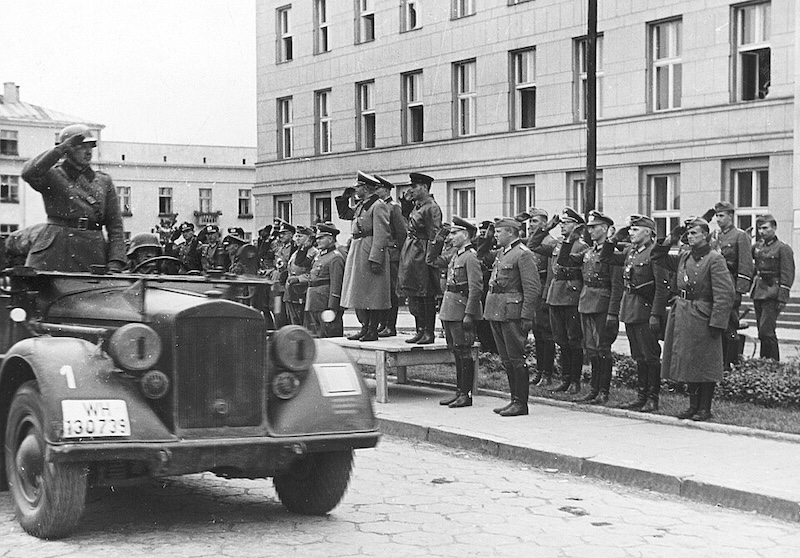
Nazi-Soviet military parade took place in Brest-Litovsk to celebrate the victory of the joint invasion of Poland.
It marked the withdrawal of the German troops to the previously agreed demarcation line in the secret protocols of the Molotov-Ribbentrop Pact and the handover of the city and its fortress to the Soviet military.
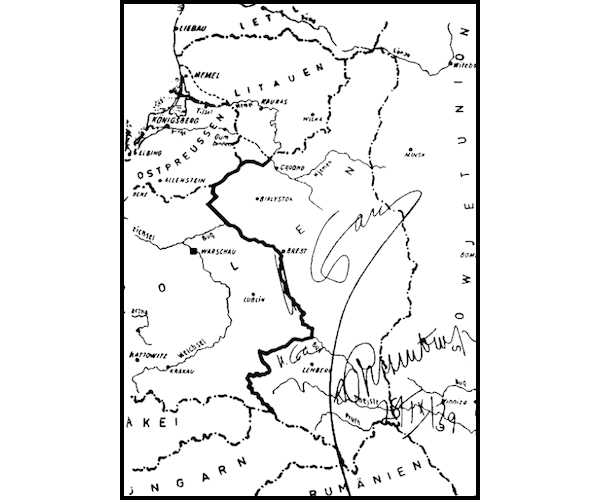
The German-Soviet Boundary and Friendship Treaty was signed as an amendment to the Secret Protocols of the Molotov-Ribbentrop Pact.
Since the Nazi military successfully took more Polish territory quickly which was originally a part of the Soviet sphere of influence, the decision was made to transfer most of Lithunia to the USSR.
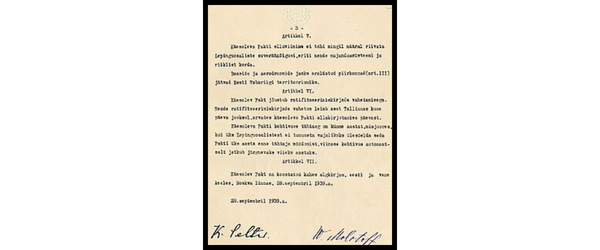
Even though the USSR had just signed a Pact of non-aggression and agreed not to invade each other, the USSR claimed it needed to place Soviet military bases and troops in Estonia to prevent Nazi Germany from invading it.
Estonia had no choice but to sign the treaty or face bloodshed.
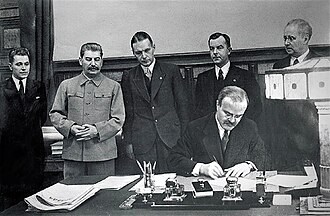
Even though the USSR had just signed a Pact of non-aggression and agreed not to invade each other, the USSR claimed it needed to place Soviet military bases and troops in Latvia to prevent Nazi Germany from invading it.
Latvia had no choice but to sign the treaty or face bloodshed.
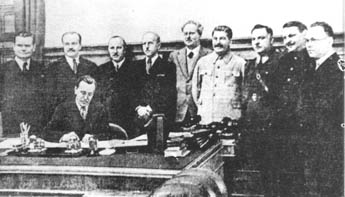
The USSR demanded that Lithuania allow Soviet bases on its territory with 20,000 Red Army soldiers. In return, Moscow would return one-fifth of the region of Vilnius, which the USSR had just seized from Poland.
Lithuania had no choice but to sign the treaty or face bloodshed.
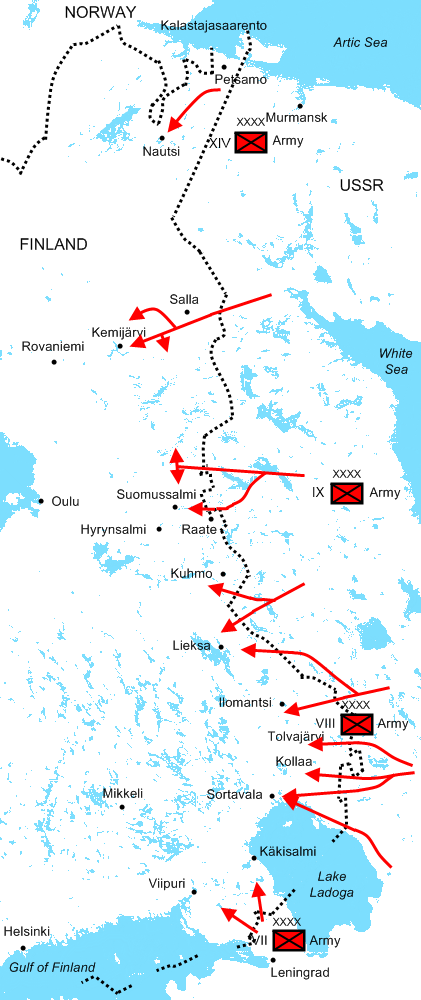
After Finland refused to capitulate to Moscow’s ultimatums to annex the country, the USSR invaded Finland.
Moscow failed to take control, but Finland lost 9% of its territory before signing a peace treaty with the Kremlin to end the war.
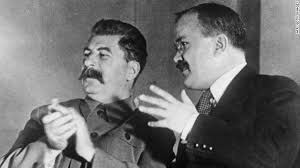
Moscow falsely accused Lithuania of violating the Mutual Assistance Treaty by claiming 3 Red Army soldiers stationed in Lithuania were abducted by Lithuanians and tortured, and one was killed.
Lithuanian investigators found that earlier in the month, a Red Army soldier had deserted, and when he was found by Soviet authorities, he committed suicide.
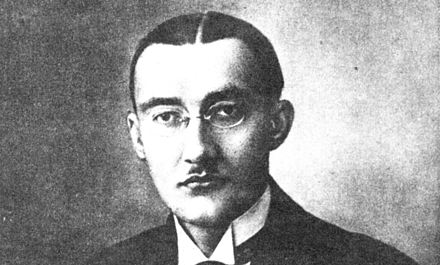
Moscow escalated their accusations and charged Lithuania with other violations, such as provoking Russian soldiers.
Out of fear of a Soviet occupation, the Lithuanian envoy to Rome, Stasys Lozoraitis, was empowered to establish a government in exile. Lithuanian leaders traveled to Moscow to negotiate and diffuse the situation.
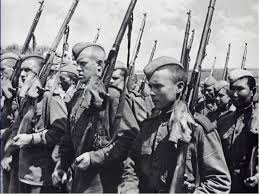
Although negotiations continued in Moscow to diffuse the situation, Lithuanians didn’t know the invasion plan was already underway.
225,000 Soviet soldiers had gathered on the border with orders to provoke Lithuanians in order to justify an all-out attack.
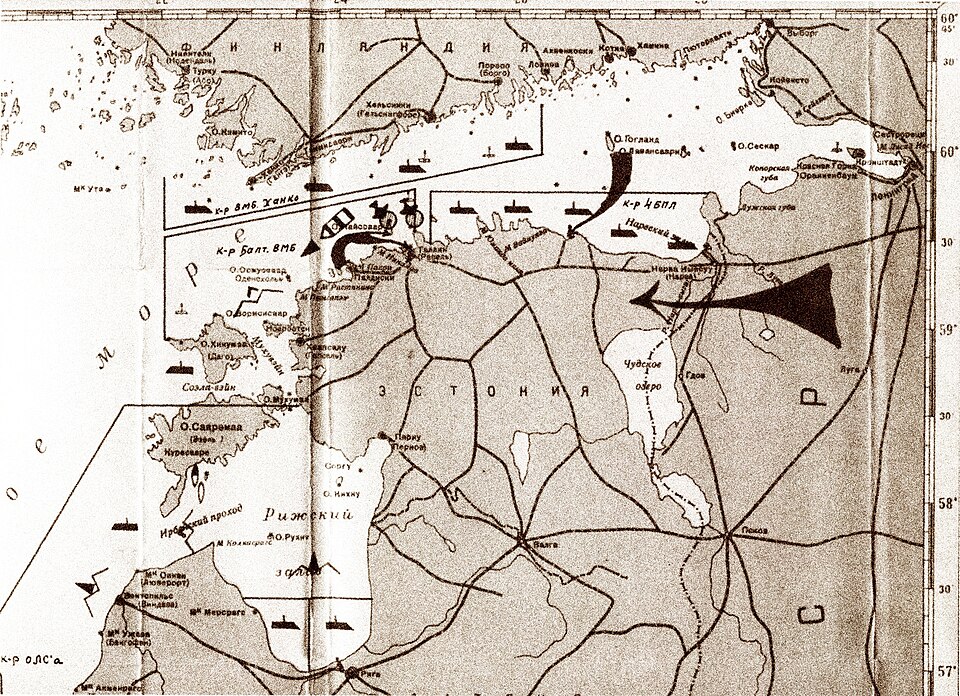
Soviet submarines, warships, and aircraft were positioned in strategic locations to isolate Lithuania, Latvia, and Estonia and to support the imminent invasion.
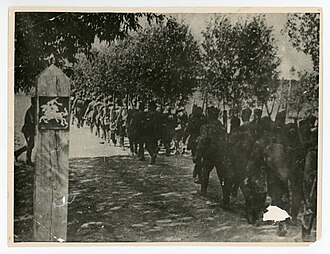
Moscow delivered a final ultimatum to Lithuania, demanding that it allow more Soviet troops into the country and form a new government more friendly toward Moscow, or else the USSR would invade.
Moscow expected an answer within 12 hours.
The Red Army had already begun crossing the border.
Lithuania capitulated to avoid bloodshed.
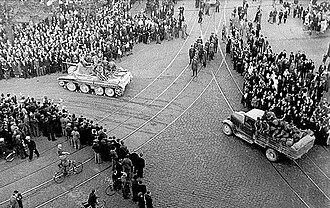
Moscow gave Latvia and Estonia an ultimatum to accept more Soviet troops and to form a new government more friendly toward Moscow.
About 30,000 Soviet troops were already stationed in Latvia under the Mutual Assistance Treaty, and about 130,000 more crossed the border.
About 25,000 Soviet troops were already stationed in Estonia under the Mutual Assistance Treaty, and about 90,000 more crossed the border.
Latvia and Estonia accepted the Soviet ultimatum.
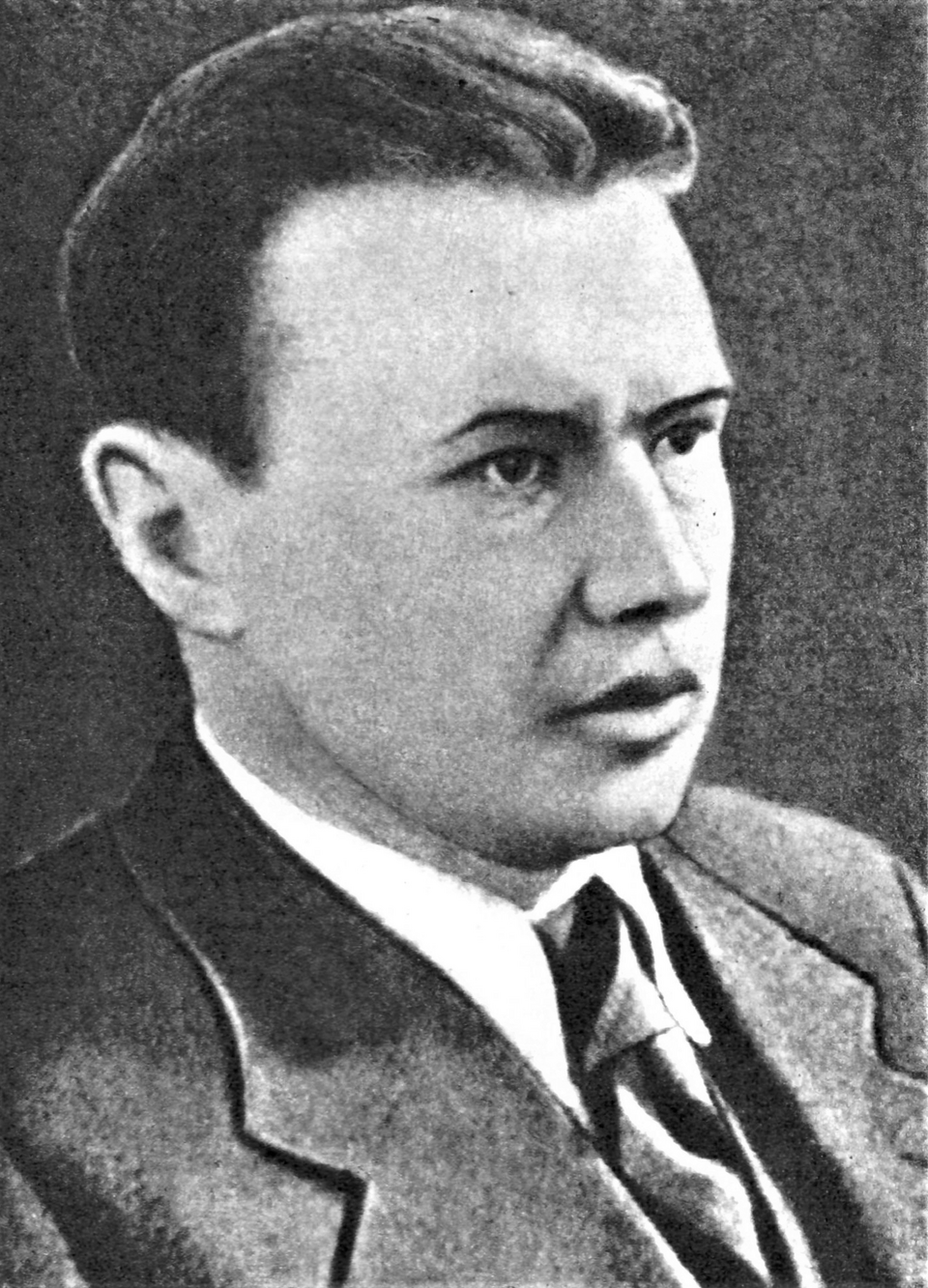
Lithuanian President Smetona flees the country. The acting Prime Minister appointed himself as president, but the Kremlin forced him to appoint a Soviet puppet leader, Antanas Sniečkus, as the head of a new “People’s Government,” replacing the existing parliament, which was dissolved.
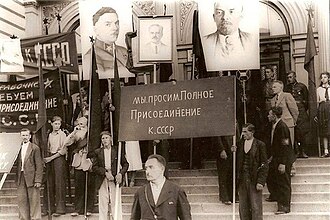
The new Soviet installed “People’s Governments” in Lithuania, Latvia, and Estonia rewrite the election laws where only Communist Party candidates were allowed, and oppositien parties were banned.
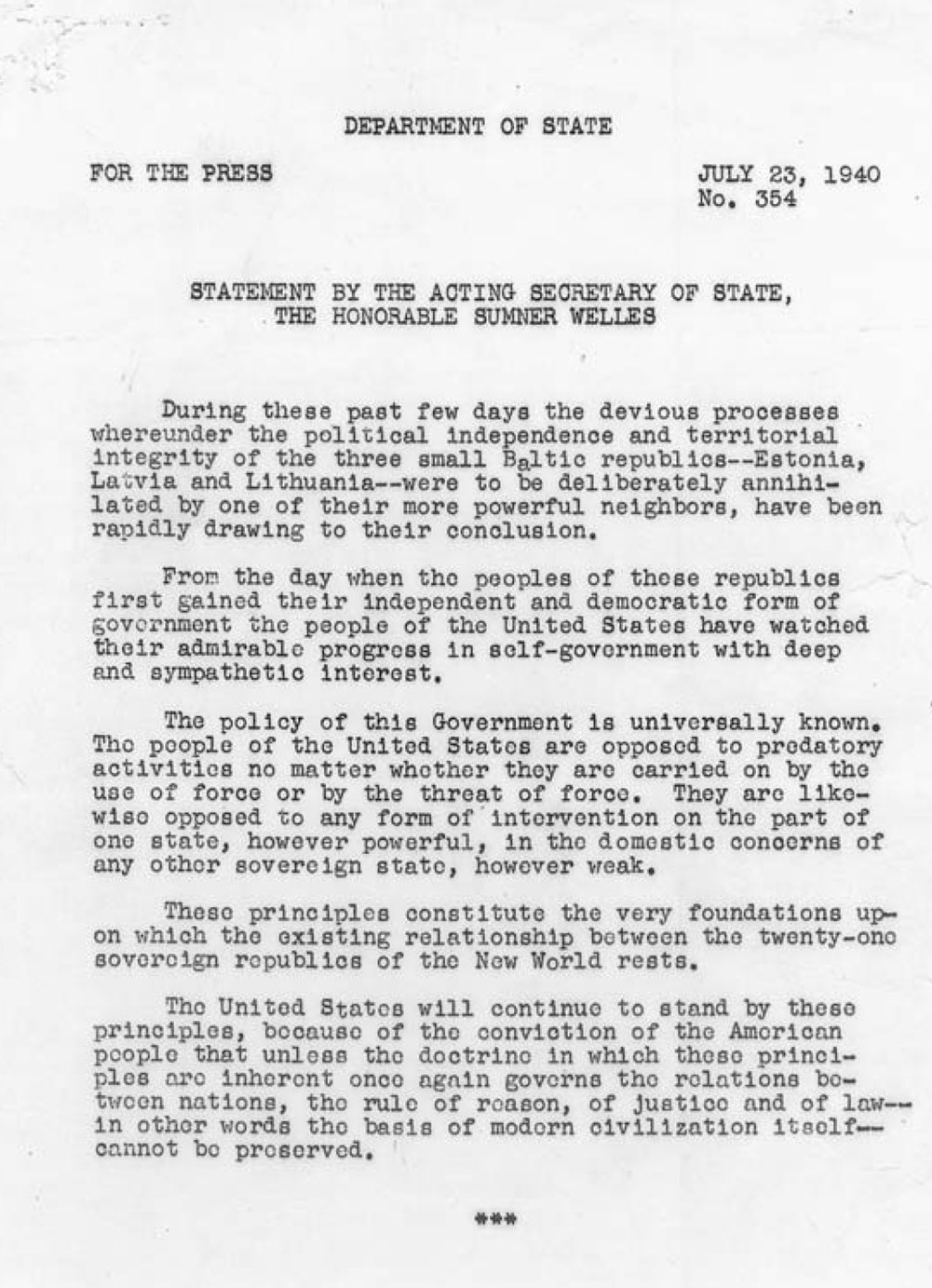
The United States Secretary of State, Sumner Welles, issued a formal diplomatic declaration, stating that the United States condemns the USSR occupation of Lithuania, Latvia, and Estonia, and refuses to recognize the illegal annexation.
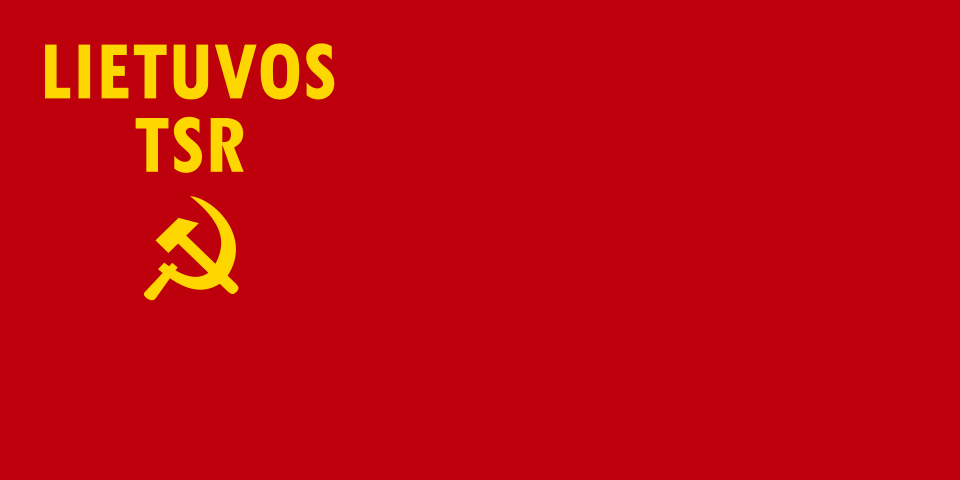
The USSR Supreme Soviet accepted the “request” of the parliament in Lithuania, whose deputies were installed through rigged elections, to join the USSR.
Lithuania’s flag was replaced by this Soviet version (until 1953).
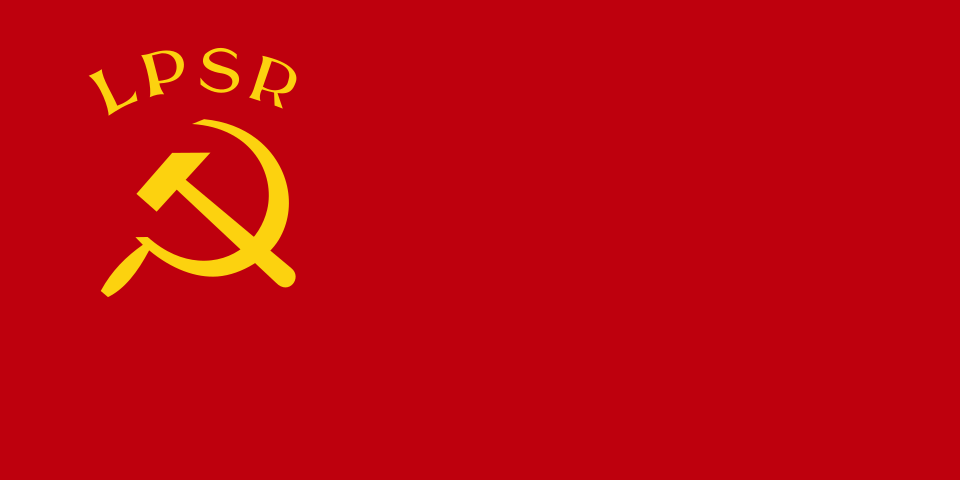
The USSR Supreme Soviet accepted the “request” of the parliament in Latvia, whose deputies were installed through rigged elections, to join the USSR.
Latvia’s flag was replaced by this Soviet version (until 1953).
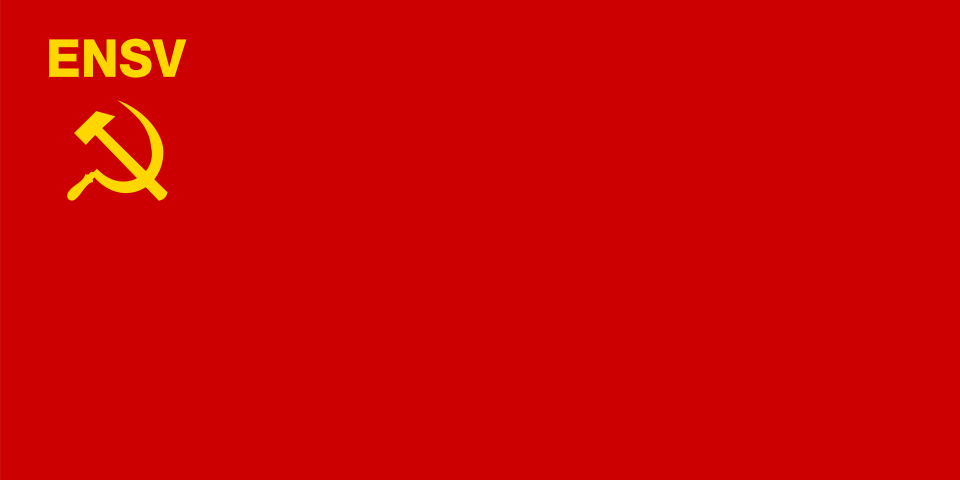
The USSR Supreme Soviet accepted the “request” of the parliament in Estonia, whose deputies were installed through rigged elections, to join the USSR.
Estonia’s flag was replaced by this Soviet version (until 1953).
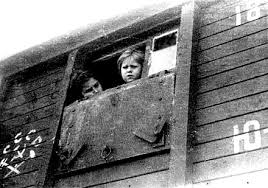
As part of the Kremlin’s attempts to suppress anti-Soviet resistance, Soviet soldiers arrested and deported over 43,000 Lithuanians, Latvians, and Estonians to various Soviet Gulag prison camps across the USSR.
The Soviets also deported over 11,000 from Western Ukraine, over 22,000 from Western Belarus, and over 24,000 from Romania.
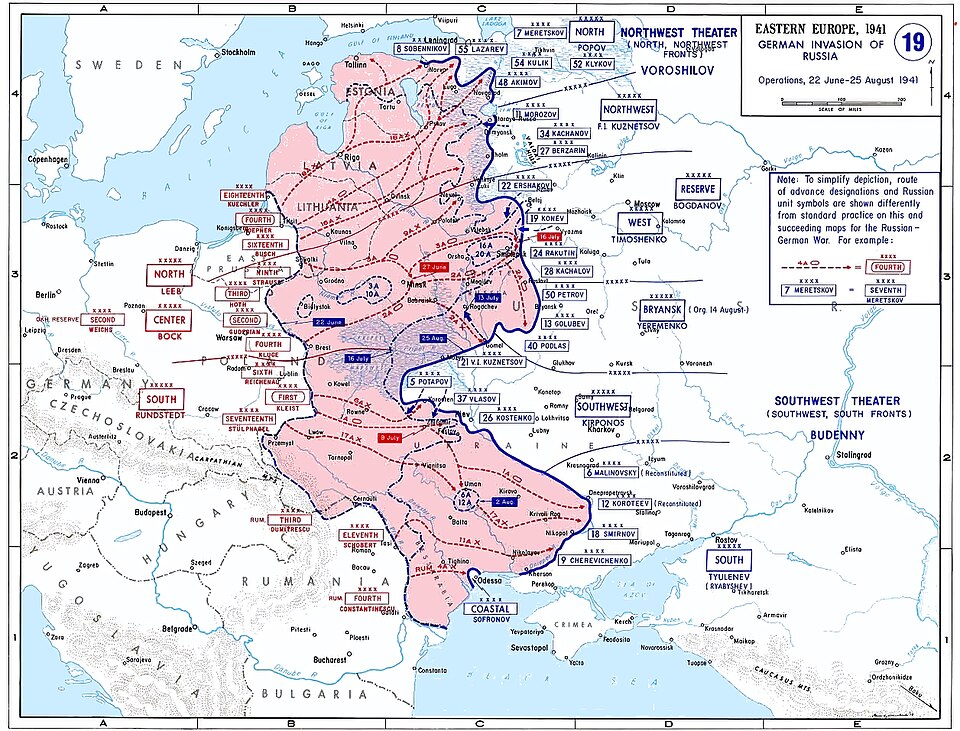
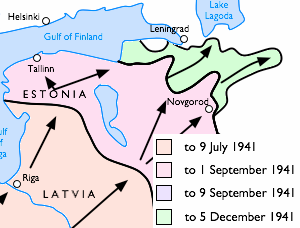
Nazi Germany invades the Soviet-occupied territories of Lithuania, Latvia, Estonia, Poland, Belarus, and Ukraine, violating the Molotov-Ribbentrop Pact.
For Lithuania alone, the Nazi German force was made up of 40 divisions, 700,000 soldiers, 1500 tanks, and 1200 air force plances.
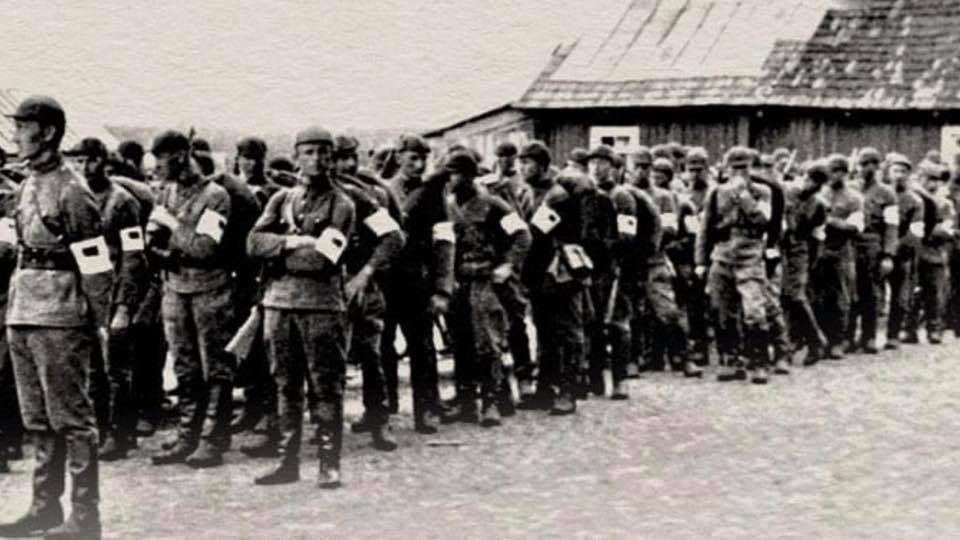
While the Nazi Army invaded Lithuania, the Soviet resistance group, the Lithuanian Activist Front (LAF) used the chaos as the opportunity to push out the Soviets from Vilnius, declared Lithuanian independence, and created a Provisional Government.
Some of these LAF members then collaborated with the Nazi’s in atrocities against the Jews.
Germany was not interested in granting Lithuania independence and would dissolve the Provisional Government in August, ban the LAF, and arrest its leaders on September 26.
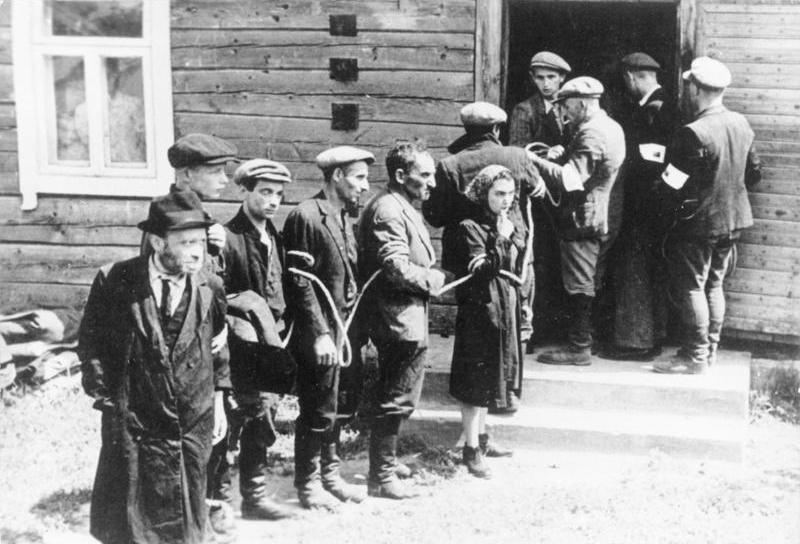
Prior to Nazi Germany taking full administrative control, some Lithuanians (LAF partisans, local insurgent groups, armed civilian mobs), individually and/or in collaboration with the German SS, began to terrorize and massacre Jews.
- June 22-26: Localized Pogroms
- June 24: Garždai Massacre
- June 25-26: Vilijampolė Pogrom
- June 27: Lietūkis Garage Massacre
- June 30-early July: Mass executions at the Seventh Fort
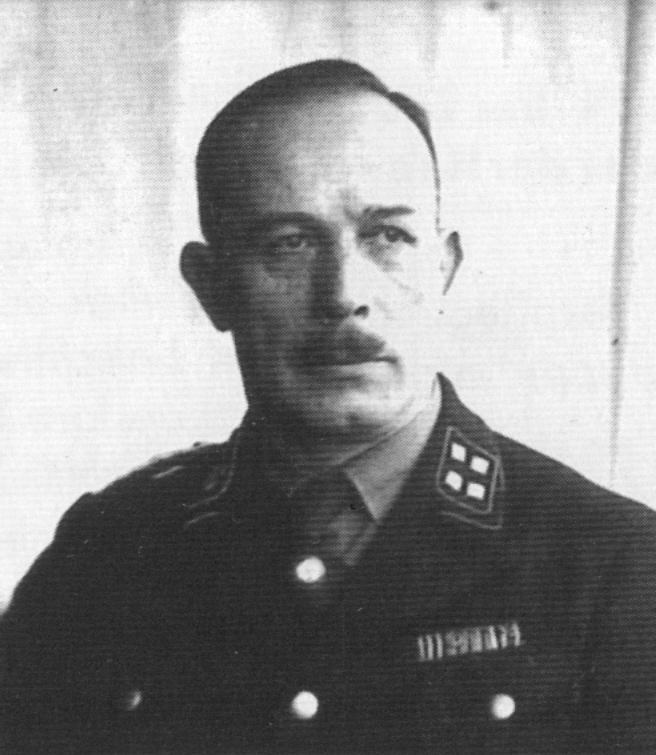
SS-Standartenführer Karl Jäger assumed command of the Einsatzkommando 3, the unit responsible for the majority of the mass killings of Jews in Lithuania.
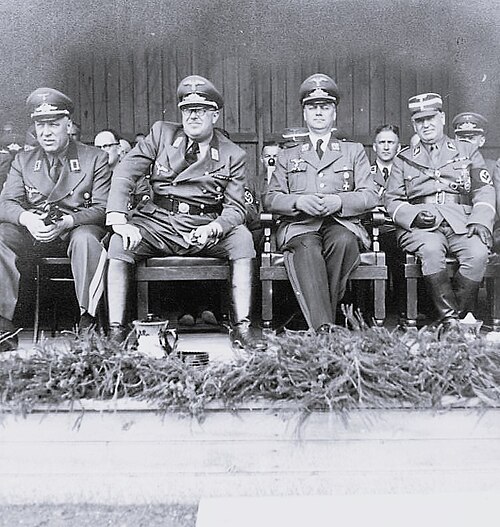
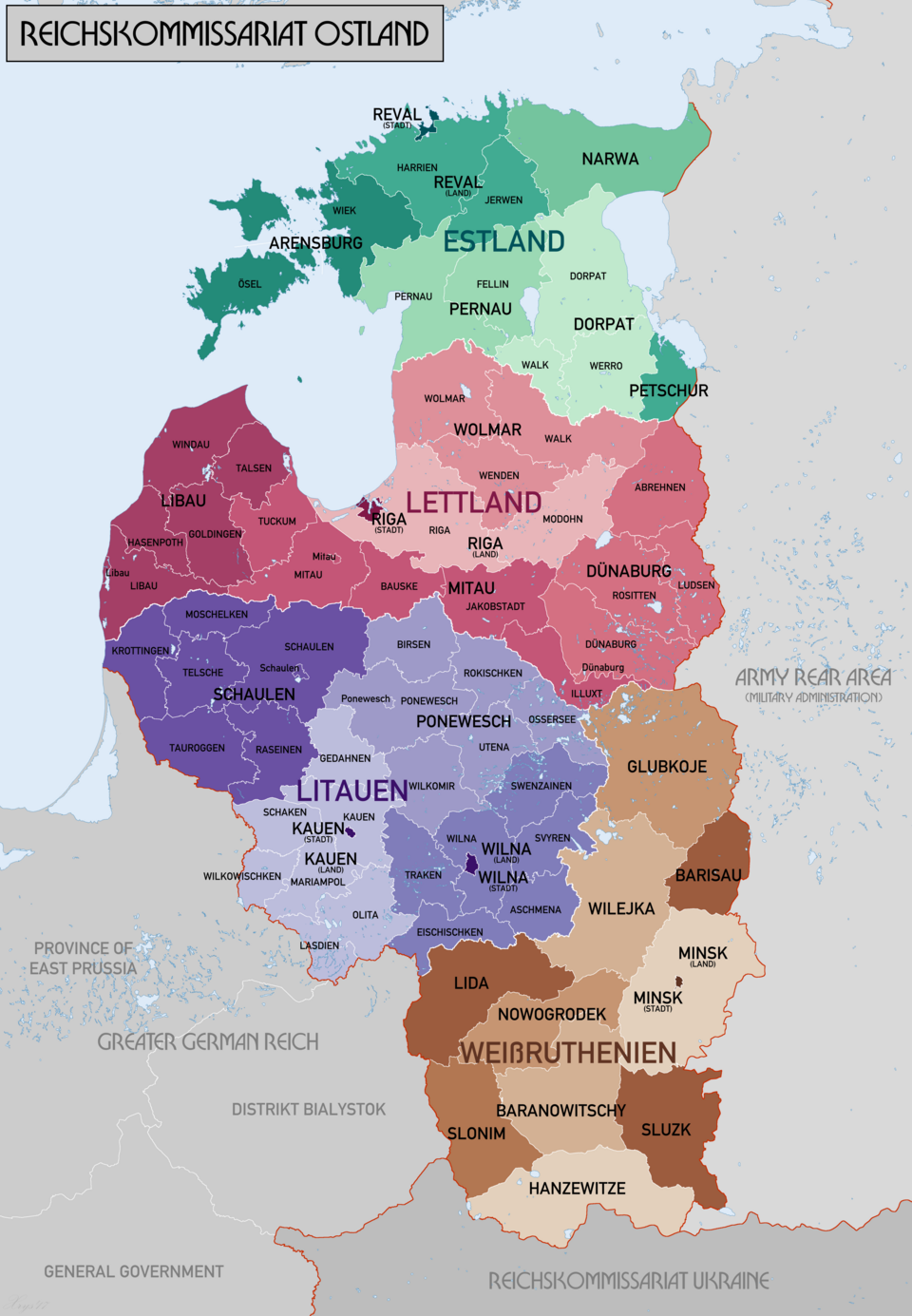
Germany dissolves the Lithuanian Provisional Government and incorporates Lithuania into the Reichskommissariat Ostland.
The Germans enlisted Lithuanians to support their efforts:
- Lithuanian Auxiliary Battalions: 13,000 men
- Had direct involvment in the Holocaust in Lithuania
- Lithuanian Construction Battalions: 2500 men
- Lithuanian Territorial Defense Force: 12,000 men
- Self-Defence Units: 3000 men
- Homeland Protection Detachment: 6000 men
- Ypatingas Būrys: 300 men
- Lithuanian Security Police: 900 men
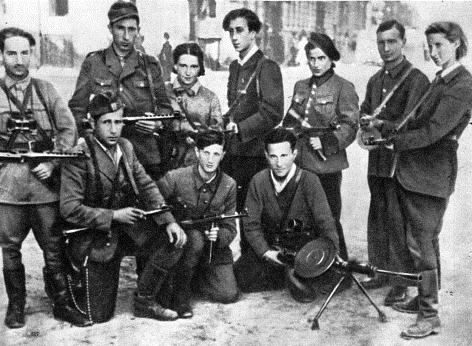
The majority of Nazi resistance in Lithuania were made up of Polish, Jewish, and Soviet (new People’s Government) groups.
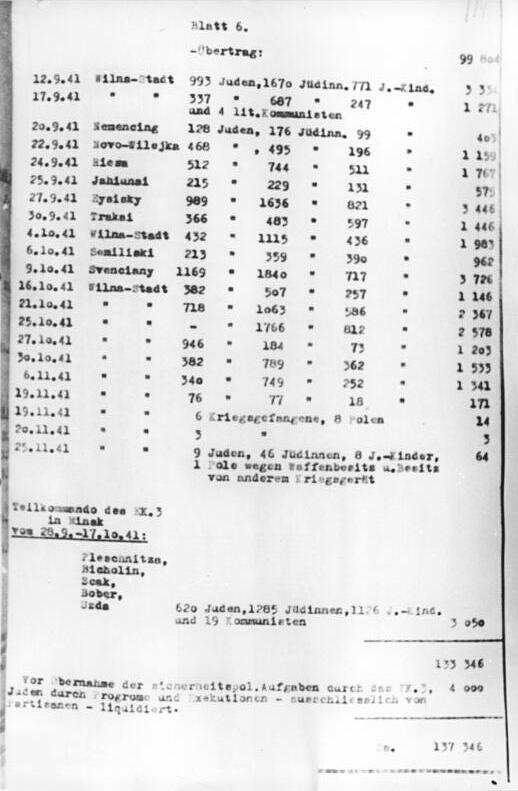
SS Karl Jager reported that from July 2 to November 25, 1941, 137,346 people were murdered in Lithuania by Einsatzkommando 3 and Lithuanian collaborators (10 of the Lithuanian police battalions worked directly with Einsatzkommando). The vast majority of those killed were Jews.
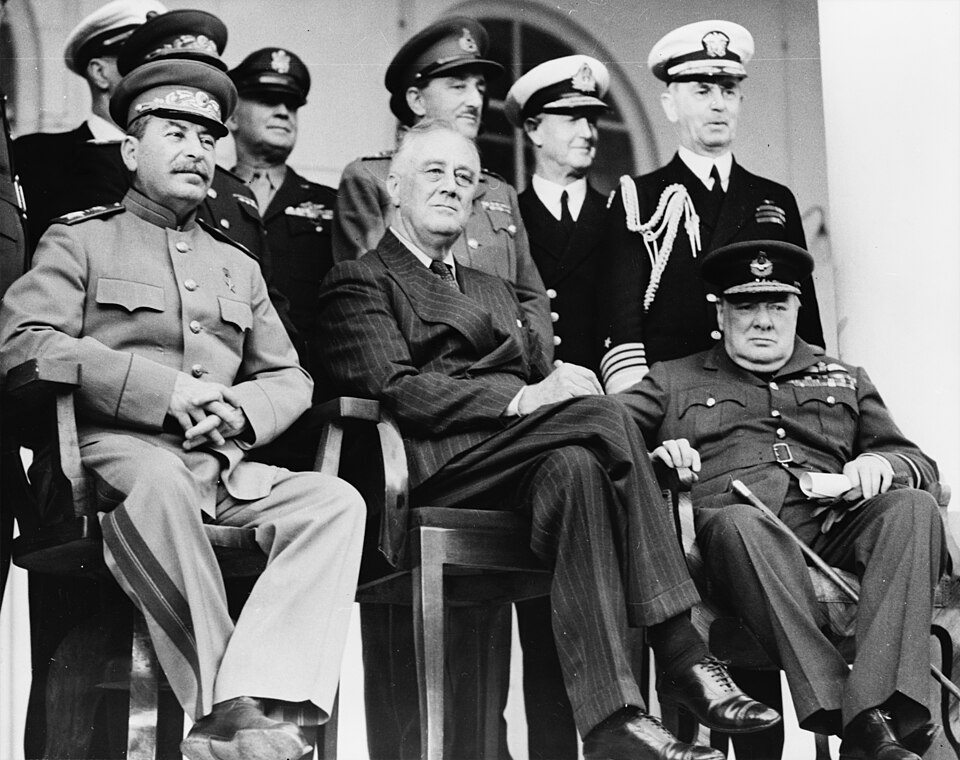
U.S. President Roosevelt and British Prime Minister Churchill privately conceded to Stalin that the Red Army would like to reoccupy the Baltic nations as they pushed Nazi Germany back. They would not go to war with Stalin over the Baltic nations.
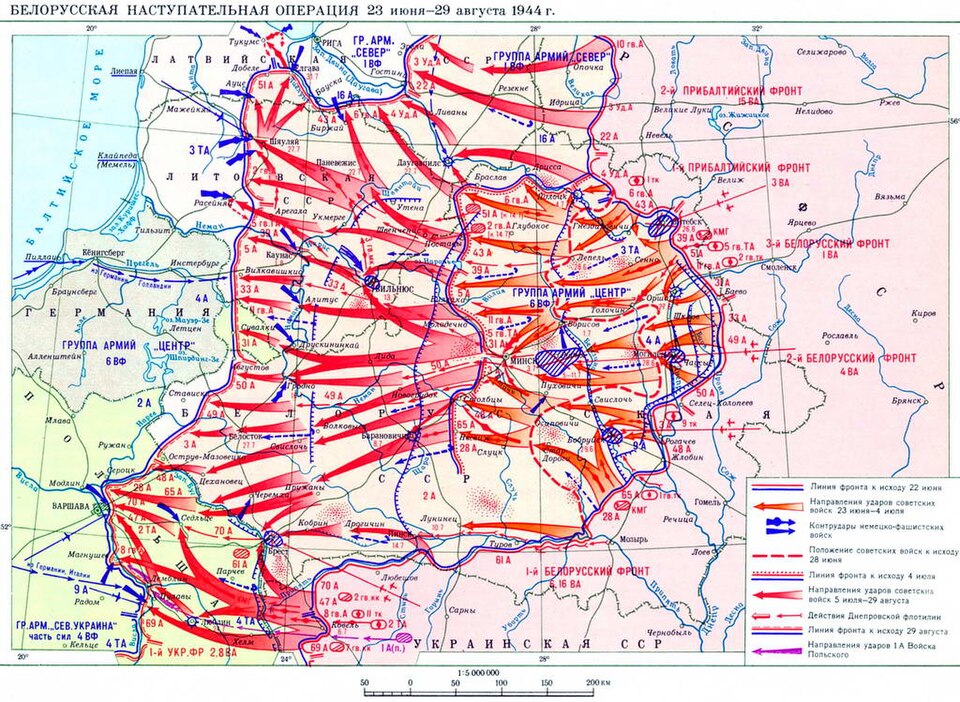
The USSR launched Operation Bagration, destroying much of Germany’s Army Group Center in the East, as the Allies landed in Normandy in Operation Overlord, forcing the Nazis to fight in the West as well.
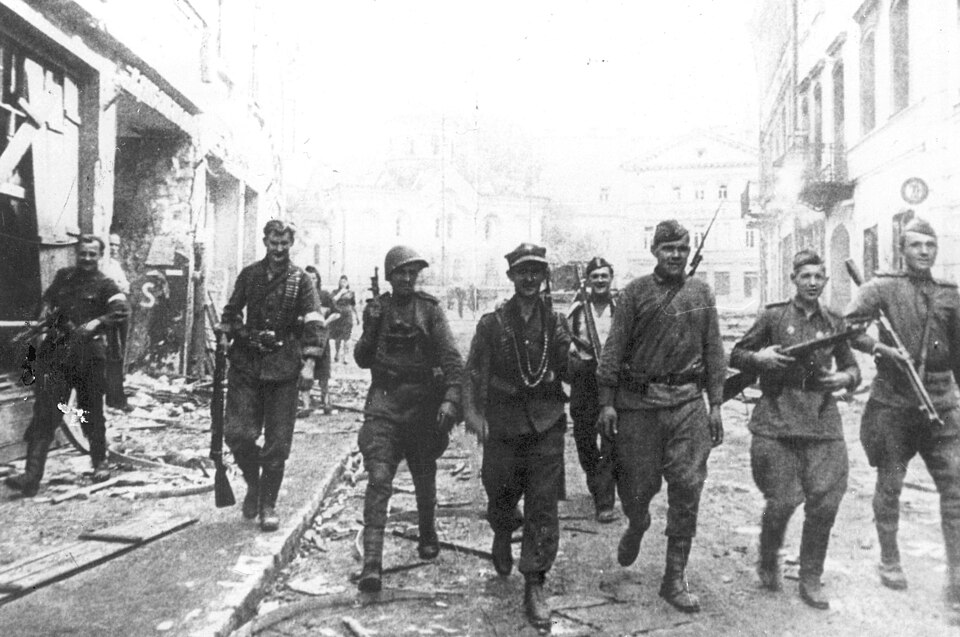
- July 13: Recapture of Vilnius
- July 27-31: Recapture of Šiauliai
- August 1: Recapture of Kaunas
- January 28, 1945: Capture of Klaipėda (Memel)
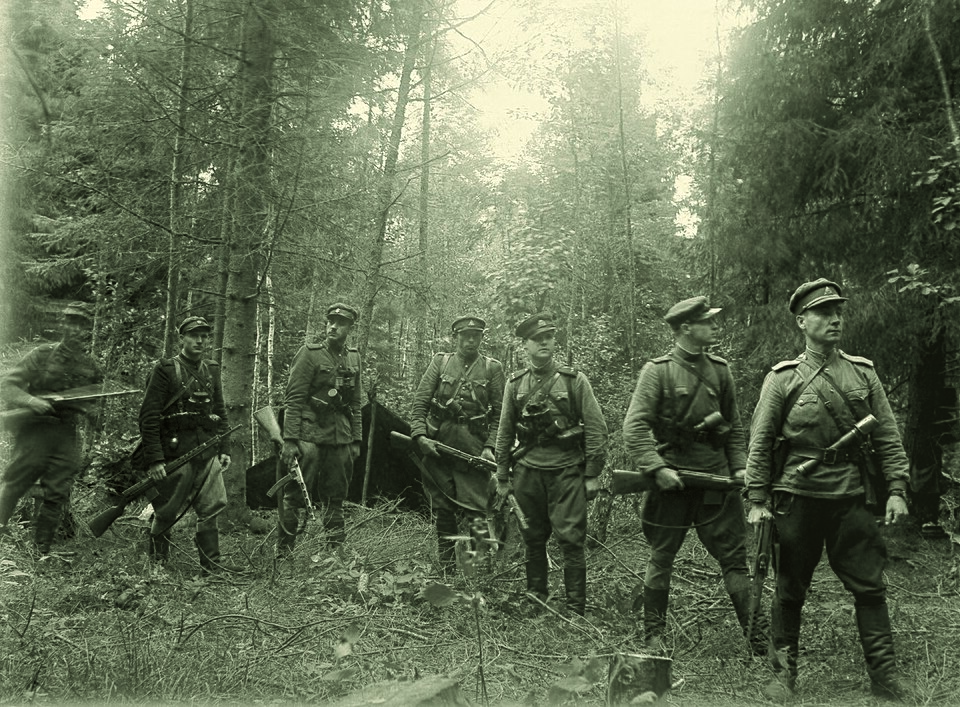
Lithuanians fight a partisan war against the Soviet occupation over the next decade.
- 50,000 Lithuanians fought against the Soviet military
- Over 100,000 civilians served as partisan support
- 20,000 Lithuanians killed
- 280,000 Lithuanians arrested
- 150,000 Lithuanians sentenced to Gulag prisons
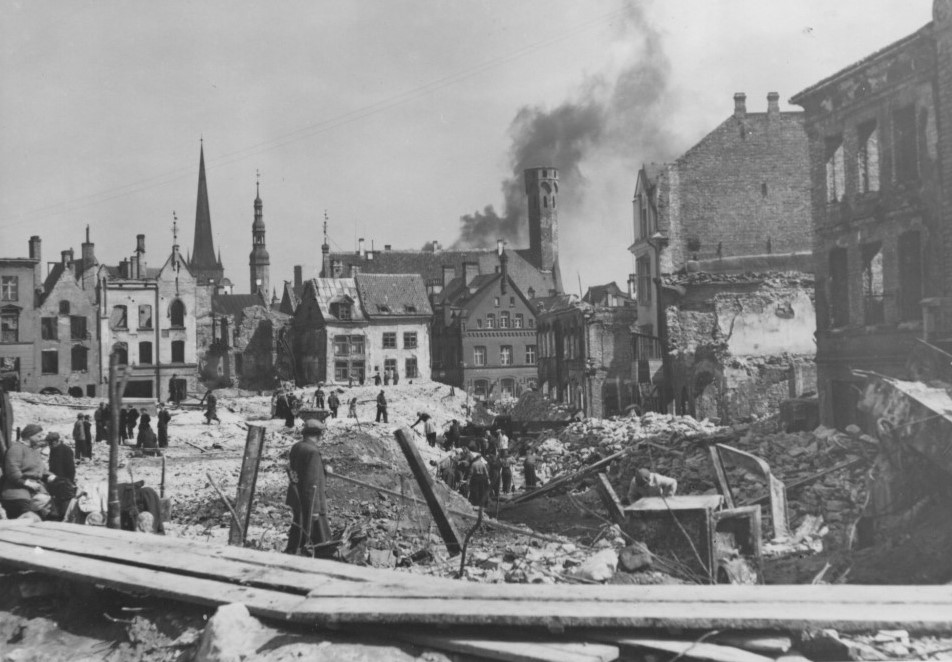
- July 26: Recapture of Narva
- September 22: Recapture of Tallinn
- November 24: Recapture of Estonian islands
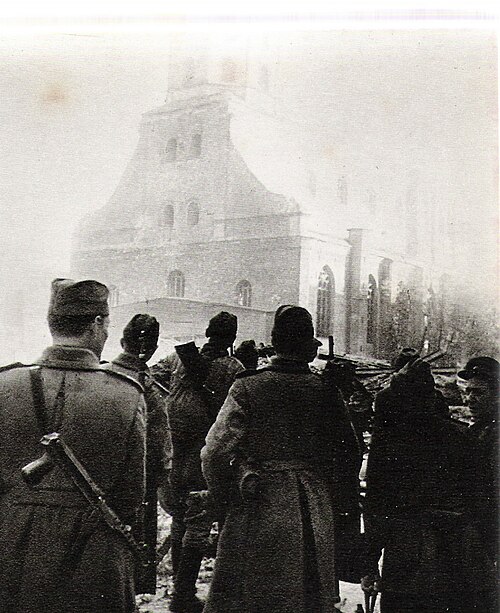
- July 27: Recapture of Daugavpils and Rezekne
- October 13: Recpture of Riga
- May 9, 1945: Recapture of the Courland Pocket
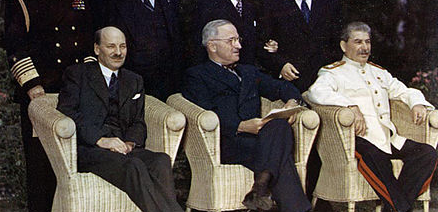
At the conclusion of WWII, at the Potsdam Conference, the Allies allowed Stalin to continue to occupy Lithuania, Latvia, and Estonia. The West had sacrificed the Baltic nations for Stalin’s eventual cooperation in defeating Hitler and Japan.
No one from the Baltic nations was consulted about the fate of their own countries.
World War II did not end for Lithuania, Latvia, and Estonia.
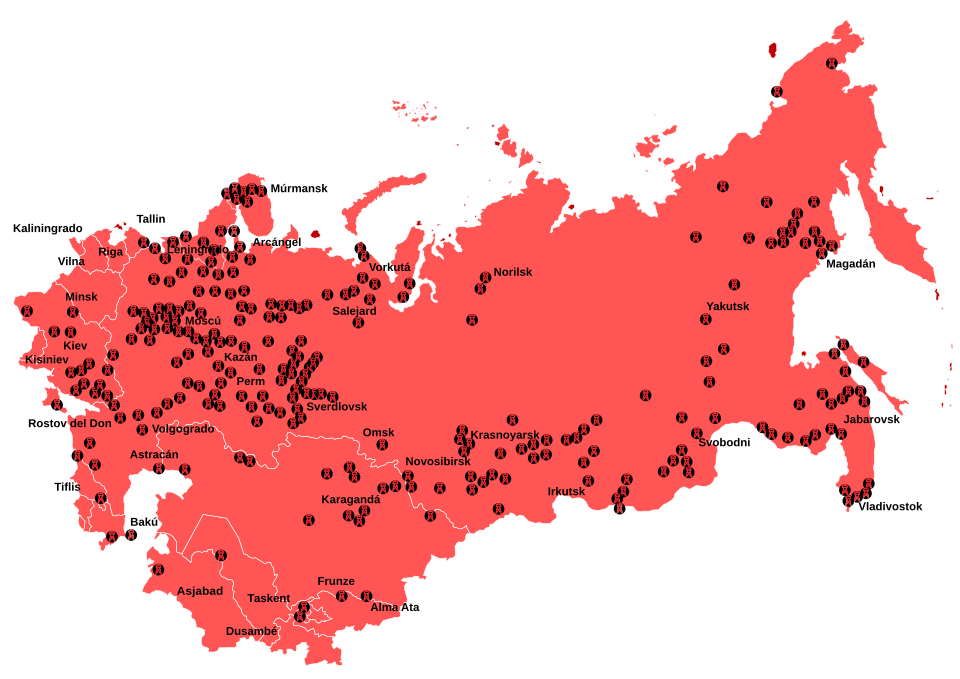
Soviet authorities arrested over 170,000 Lithuanians for the crime of anti-Sovietism and sent them to Gulag prison camps to perform hard labor. 70% were women and children. Over 30,000 died due to the harsh conditions. After Stalin died in 1953, about 60,000 were allowed to return to Lithuania through 1963, while 30,000 were forced to stay behind.
From 1930-1952 the total number of civilians the Kremlin deported to the Gulag was 6 million. Over 1.5 million died from the harsh conditions.
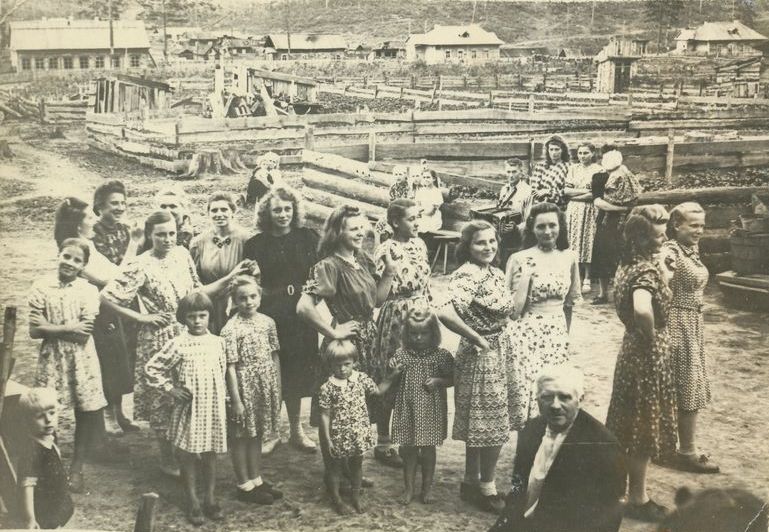
To break rural support for partisans and force agricultural collectivization, Soviet authorities carried out massive deportation operations. Over 49,000 Lithuanians were deported during Operation Vesna, targeting families of partisans, farmers, and political dissidents.
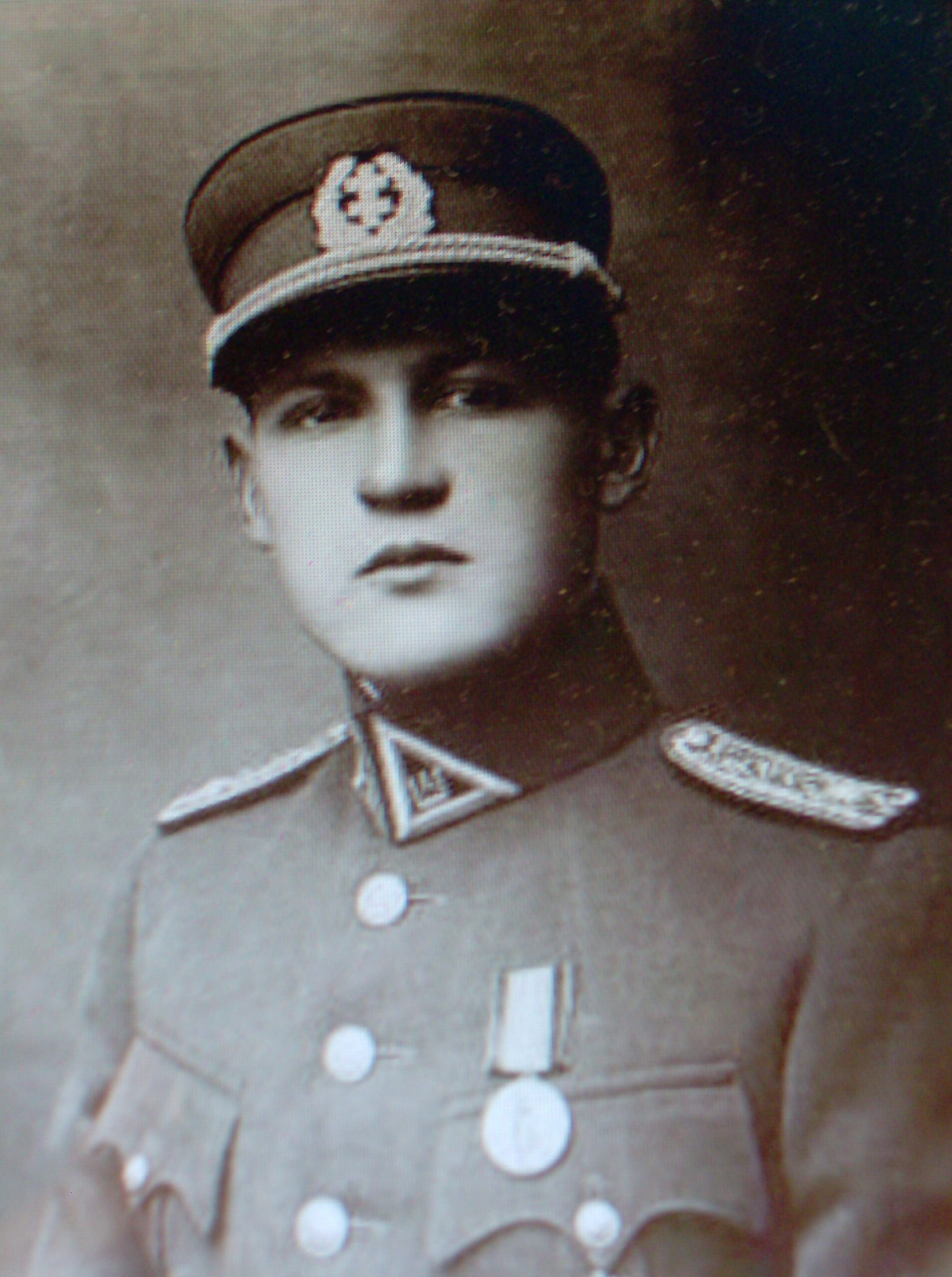
Partisan commanders met in the village of Minaičiai and signed the February 16 Declaration, establishing LLKS (Lietuvos Laisvės Kovotojų Sąjunga). The document declared the partisan movement as the official political and military authority in occupied Lithuania and affirmed the continuity of the democratic 1918 Republic.
General Jonas Žemetaitis (codename Vytautas) was elected chairman, as head of state.
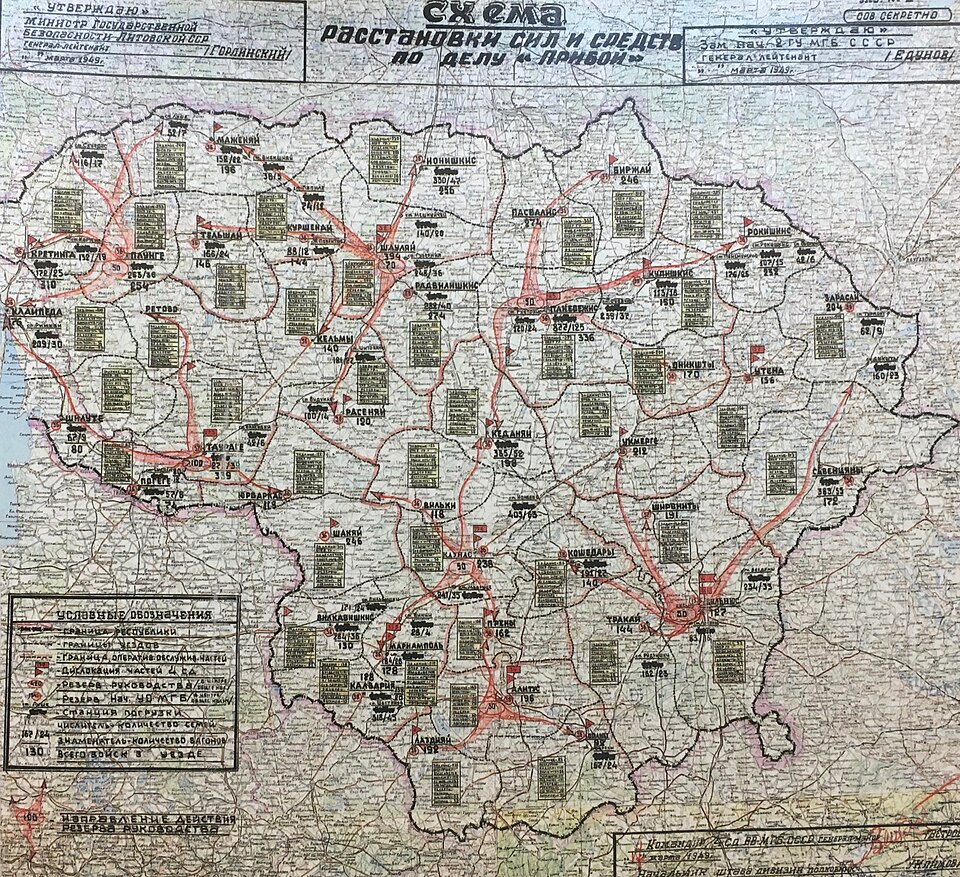
To break rural support for partisans and force agricultural collectivization, Soviet authorities carried out massive deportation operations. Over 30,000 Lithuanians were deported, targeting families of partisans, farmers, and political dissidents.
The plan for deporting the civilian population during the operation “Priboi” (1949) was created by the Soviet MGB (Ministry of State Security). A photo from the exhibition in the Palace of the Grand Dukes in Vilnius (Lithuania).
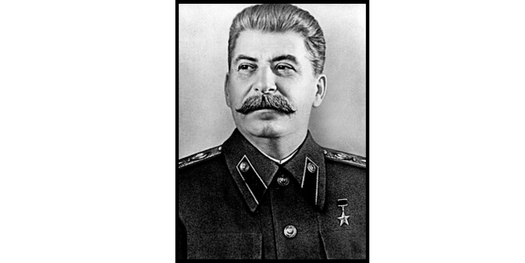
Joseph Stalin died at the age of 74.
His legacy includes:
- Collaborating with Adolf Hitler to start World War II
- About 2 million were arrested during the Great Terror (1937-1938)
- 800,000 politically motivated executions (1921-1953)
- 2 million deaths in the Gulag labor camps
- 2 million deaths during the forced mass deportations of ethnic minorities
- 7 million deaths in the forced Soviet familes in Ukraine (Holodomor) and Kazakh
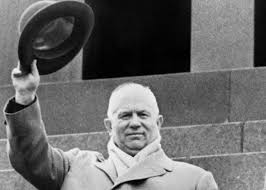
Following Stalin’s death, Khrushchev granted amnesties to political prisoners. Tens of thousands of Baltic deportees and surviving Gulag prisoners were allowed to return home, though many were denied their former property and faced restricted civil rights.
In the late 1950s, a movement led by Eduards Berklavs in the Latvian SSR attempted to limit Russian immigration and preserve the Latvian language. In 1959, Khrushchev personally visited Riga and purged the Latvian Communist Party, replacing local leaders with hardline Moscow loyalists.
Khrushchev prioritized rapid industrialization and agricultural modernization, constructing factories and infrastructure across the Baltic republics while establishing the Baltic region as a relatively high-standard “Western showcase” within the USSR.
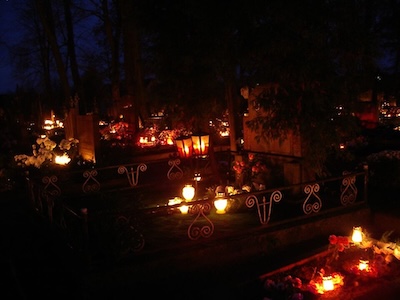
In Lithuania, people gathered on All Soul’s Day at the Military cemetery in Kaunas to sing patriotic folk songs in memory of loved ones. The KGB intervened and arrested a young woman. About 100 tried to help liberate here, which erupted into a small riot.
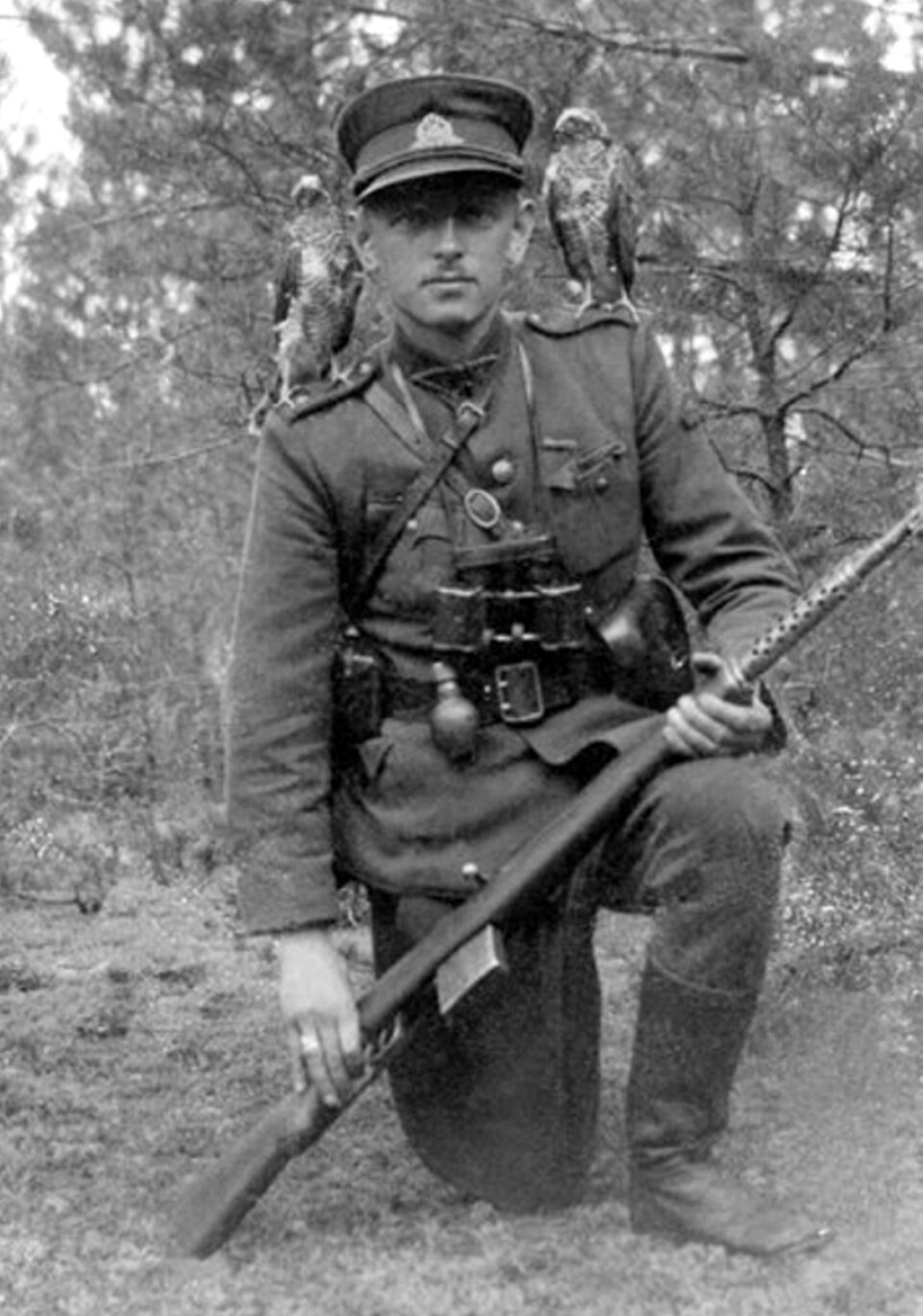
Following the betrayal and arrest of top partisan leaders—including LLKS commander Jonas Žemaitis-Vytautas in 1953 and Adolfas Ramanauskas-Vanagas in 1956—organized underground guerrilla warfare largely ended, shifting anti-Soviet resistance into passive, intellectual, and religious channels.
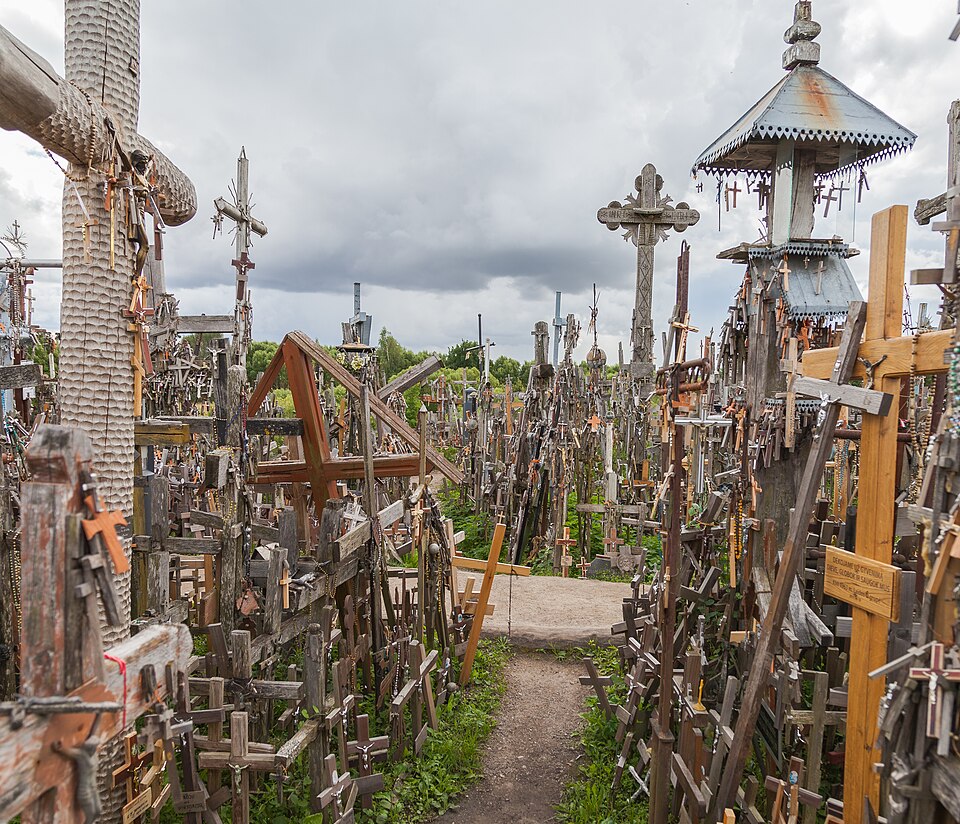
KGB and Soviet military units bulldozed and destroyed the historic Hill of Crosses near Šiauliai, burning 2000 wooden crosses and melting metal ones for scrap. Despite repeated government destruction throughout the 1960s and 1970s, locals continuously replanted crosses overnight as a symbol of faith and national identity.
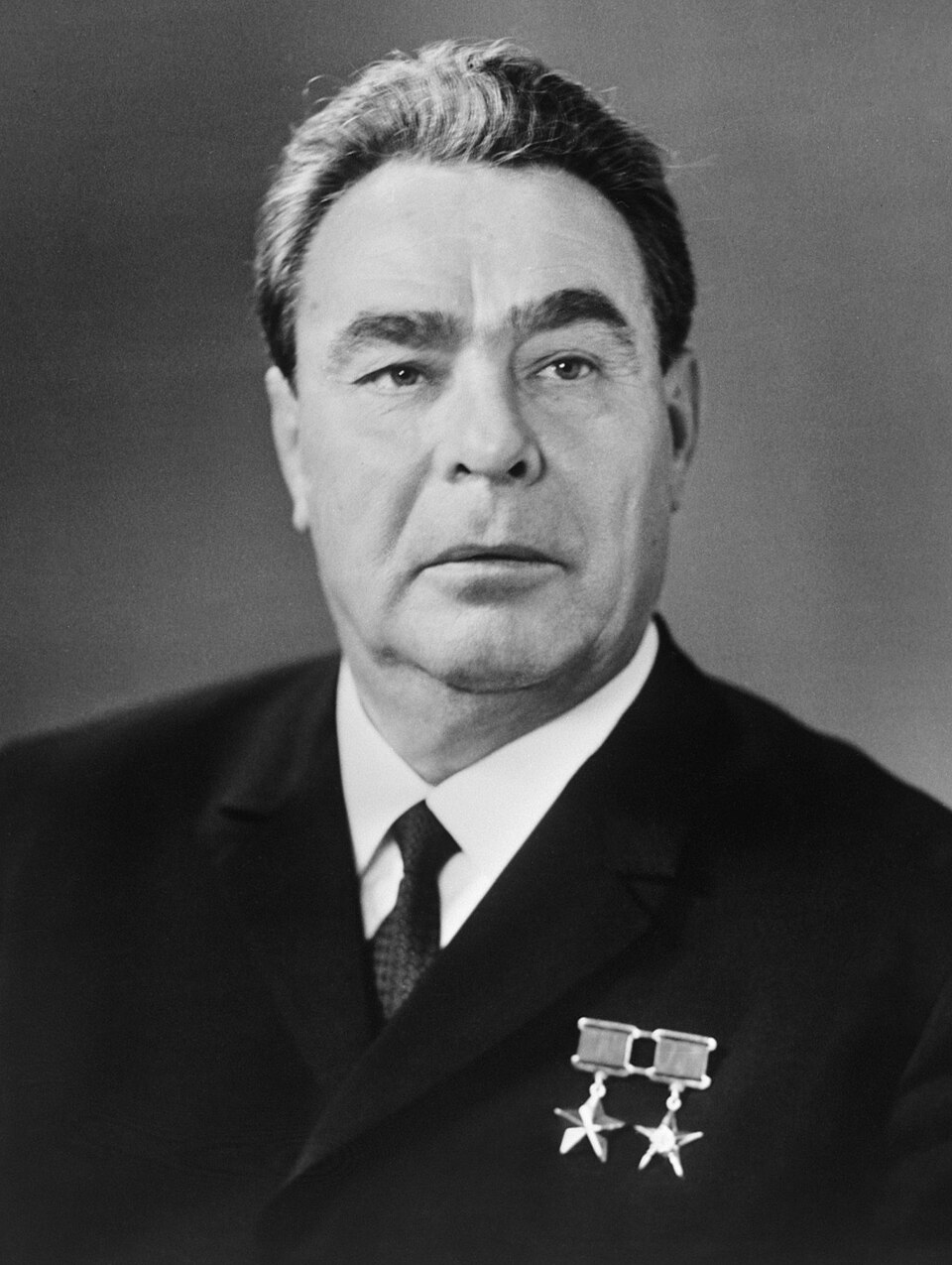
Brezhnev’s central planning directed huge industrial projects into the Baltics (e.g., VEF electronics in Riga, chemical plants in Estonia, Ignalina Nuclear Power Plant in Lithuania). To staff these factories, Moscow encouraged massive waves of Russian-speaking laborers to migrate to the Baltic states. By 1989, ethnic Latvians were reduced to barely 52% of Latvia’s total population (and a minority in Riga).
Russian was enforced as the primary language of administration, higher education, and public life.
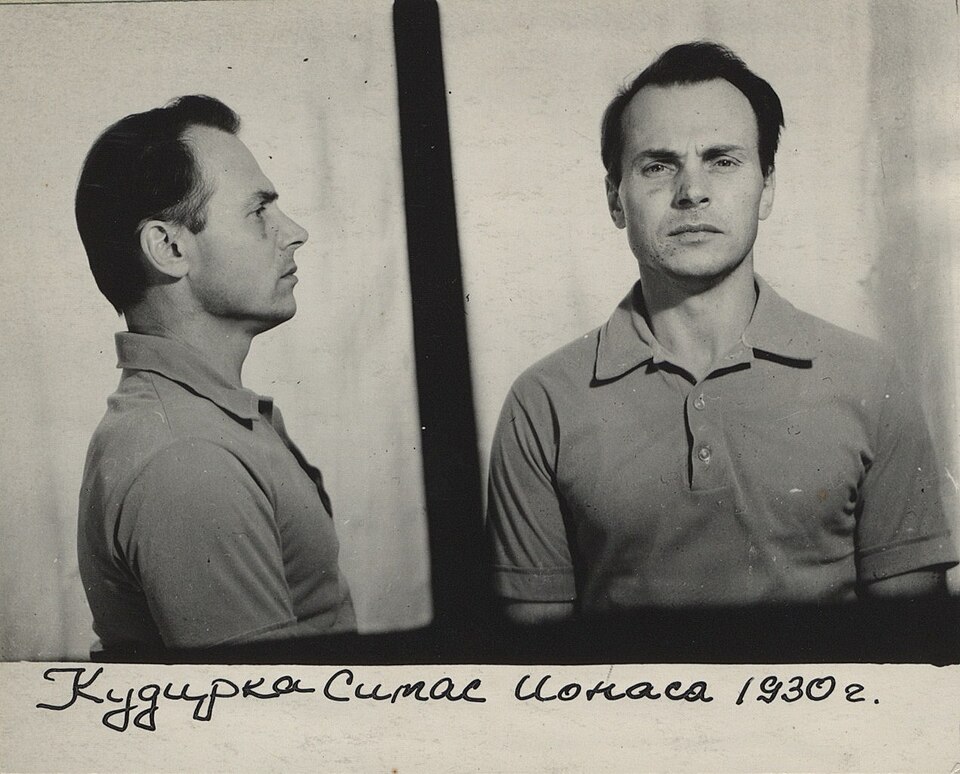
Lithuanian radio operator Simas Kudirka jumped from a Soviet supply ship onto a U.S. Coast Guard cutter (Vigilant) requesting political asylum. U.S. officers allowed Soviet sailors to board the American vessel, beat Kudirka, and forcibly return him to the USSR, where he was sentenced to 10 years of hard labor for treason.
News of the incident sparked international outrage and mass protests by the Baltic diaspora in North America, bringing renewed Western diplomatic attention to the Soviet occupation of Lithuania.
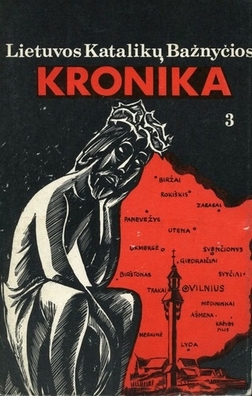
The longest-running, most prominent underground publication (samizdat) in Soviet-occupied Lithuania.
It acted as an accurate, factual record of Soviet abuses, religious persecution, forced Russification, and KGB harassment, showing both Lithuanians and the outside world the reality of life behind the Iron Curtain.
It operated continuously for 17 years without being shut down by the KGB, issuing 81 editions before publication officially ceased in 1989.
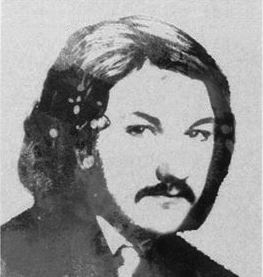
19-year-old student Romas Kalanta set himself on fire in a central park, carrying a notebook with the inscription: “Blame only the political system for my death.” When the KGB secretly buried Kalanta early to prevent a public funeral, thousands of high school and university students flooded the streets.
For two days (May 18–19), over 3,000 youths marched through Kaunas shouting “Freedom for Lithuania!”, tearing down Soviet slogans, attacking police stations, and clashing with Soviet militia and internal troops.
Over 500 people were arrested. It was the largest public anti-Soviet street riot in Lithuania prior to Sąjūdis in 1988.
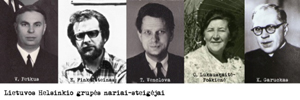
Founded by dissidents including poet Tomas Venclova, Catholic priest Karolis Garuckas, and former political prisoner Viktoras Petkus, the group utilized the 1975 Helsinki Accords to publicly document human rights abuses and Soviet violations of Baltic sovereignty.
Unlike earlier covert underground networks, members published their real names on official reports sent directly to Western governments, forcing international scrutiny on Soviet repressions.
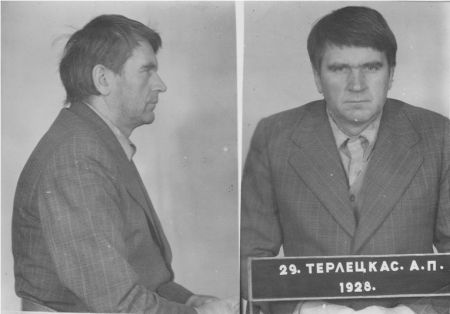
The Lithuanian Freedom League (LFL) was an underground anti-Soviet dissident group that published anti-Soviet newsletters and protests. Leader Antanas Terleckis was a survivor of the Siberian Gulag prison system in the 1950s. He was arrested in 1979 by Soviet authorities for his LFL activities. He was influential in the early days of Sajudis in pushing the independence agenda.
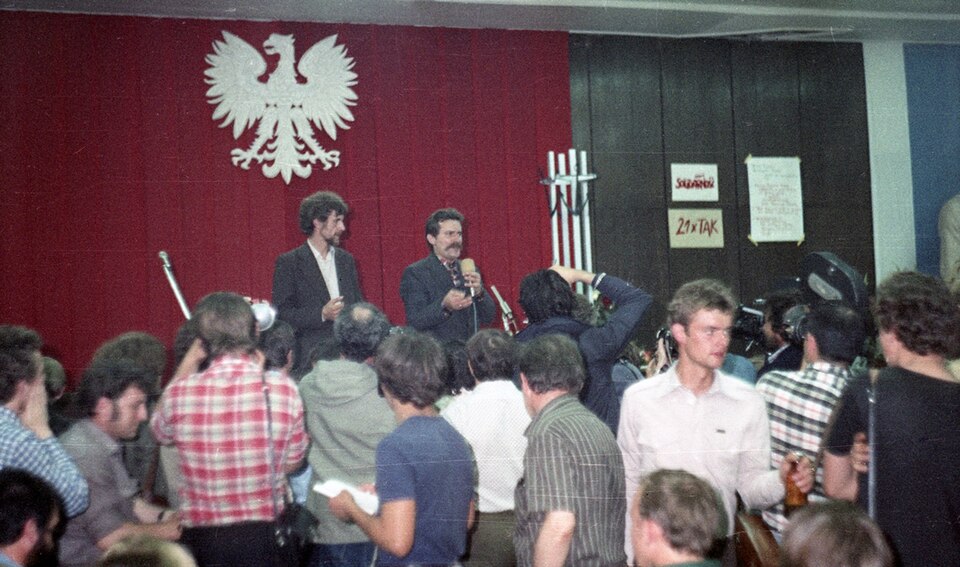
In August 1980, the trade union Solidarność emerged in neighboring Poland, launching a massive non-violent movement against the communist regime.
Poland’s uprising sent shockwaves through the Kremlin and rippled directly into Lithuania because of its proximity, shared history, and access to Polish radio/television broadcasts in southern Lithuania.
Fearing “ideological contagion,” the Soviet regime placed Lithuania on high alert. The KGB intensified surveillance along the Polish-Lithuanian border, jammed foreign media, restricted travel, and increased arrests of Lithuanian dissidents.
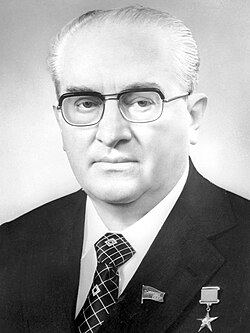
As former head of the KGB (1967–1982), Andropov focused heavily on neutralizing Baltic dissident networks. His brief tenure saw major crackdowns and trials of prominent human rights activists, including the 1983 trial of Latvian dissident Gunārs Astra and the arrest of Lithuanian priest Sigitas Tamkevičius.
Fearing the spread of Poland’s Solidarity trade union movement into neighboring Lithuania and the Baltics, Andropov maintained tight border controls and heavily jammed Western radio broadcasts (Radio Free Europe / Voice of America).
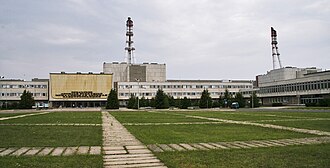
The Ignalina Nuclear Power Plant (featuring huge RBMK-1500 reactors, the same design later involved in the Chernobyl disaster) was designed to make the Baltic region an energy exporter to the western USSR. To build and operate it, the Soviet government created the “closed city” of Sniečkus (now Visaginas), importing thousands of Russian-speaking engineers and workers, accelerating state-sponsored demographic shifts.
Deep local anxiety over environmental damage and nuclear safety under Moscow’s centralized command became one of the main mobilizing issues for Lithuanian intellectuals, laying the groundwork for the environmental protests that fueled Sąjūdis in 1988.
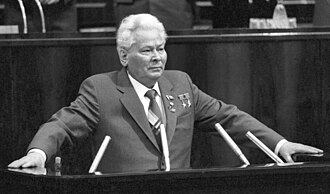
Chernenko’s 13-month tenure brought no major policy shifts to the Baltic republics, continuing Brezhnev-era ideological suppression, military conscription for the Soviet-Afghan War, and centralized censorship.
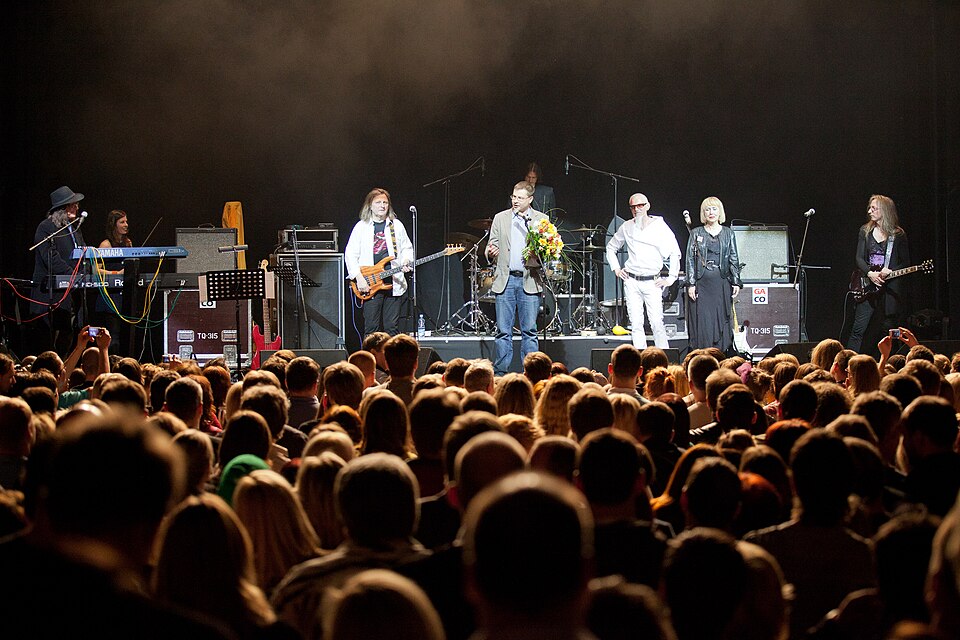
The popular Latvian patriotic rock group Pērkons (“Thunder”) performed for a hyper-energetic crowd of over 2,000 young people.
Fueled by the band’s charged music and national themes, energized youths destroyed two train cars on their way back to Riga while chanting anti-Soviet slogans.
The event triggered a national political trial, mass suspensions from universities, and an official ban on Pērkons, cementing the band’s status as icons of the upcoming Singing Revolution.
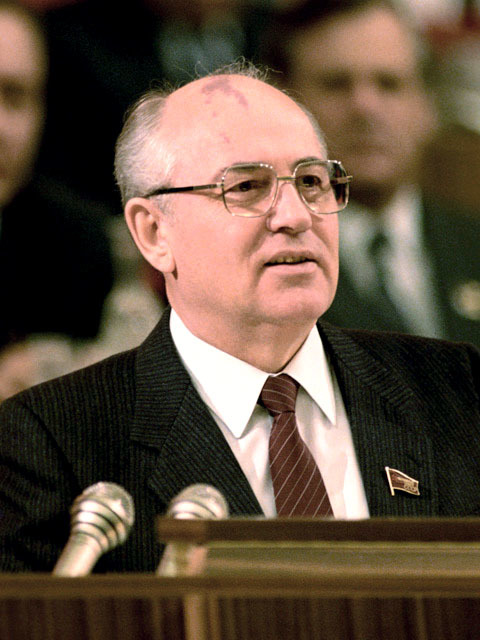
Gorbachev’s appointment initiates Glasnost and Perestroika. Initially intended to modernize the Soviet economy, these policies unintentionally loosened censorship, giving Baltic intellectuals the political space to organize.
Fearing the disintegration of the USSR, Gorbachev imposed an economic blockade on Lithuania in 1990. In January 1991, Soviet military forces attempted to overthrow the legal Baltic governments, resulting in civilian deaths during the January Events in Vilnius (14 killed) and the Barricades in Riga (6 killed). The violence failed to stop the movements, and following the failed August 1991 Moscow coup, Soviet control collapsed entirely, with Moscow officially recognizing the independence of Estonia, Latvia, and Lithuania in September 1991.
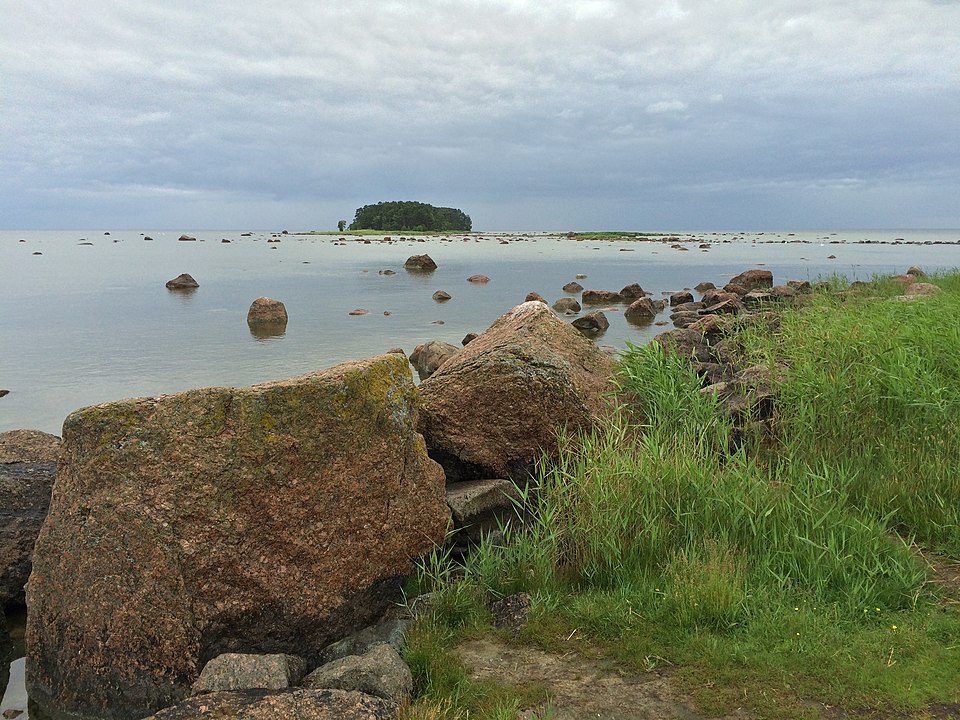
Public outrage erupts in Estonia over Moscow’s plans to open massive phosphorite mines in Lääne-Virumaa, which threatened to contaminate a quarter of Estonia’s groundwater. Mass university protests and media campaigns force the government to halt the project, sparking Estonia’s national awakening.