CLASSROOM RESOURCES
Lithuanian History Timeline
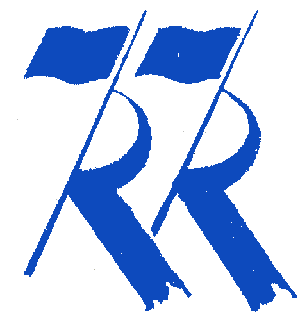
During a live TV broadcast, Edgar Savisaar proposes creating the Estonian Popular Front (Rahvarinne).
It becomes the first legal mass socio-political movement in the Soviet Union outside the Communist Party.
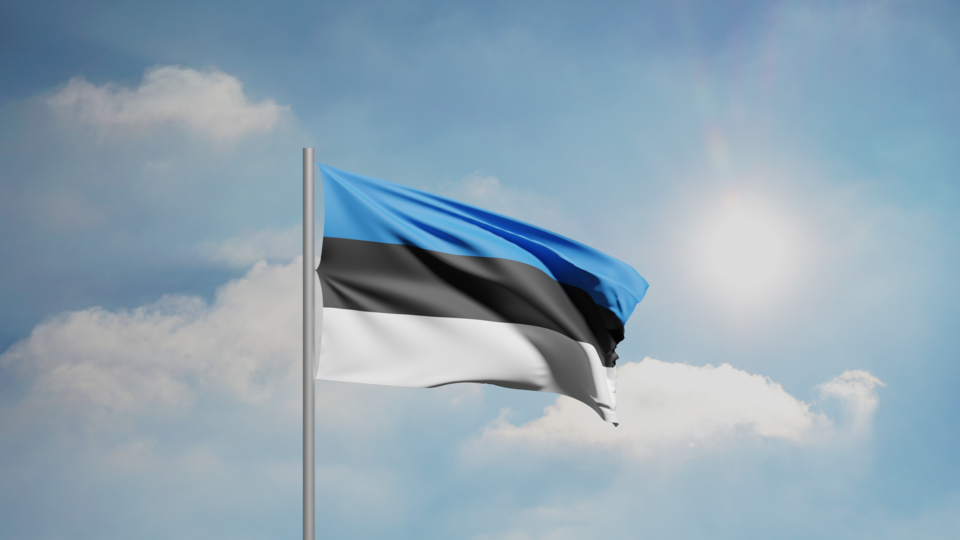
Tens of thousands gathered in Tartu for the Heritage Conservation Festival.
For the first time publicly since WWII, the long-banned Estonian national blue-black-white flag was openly displayed.
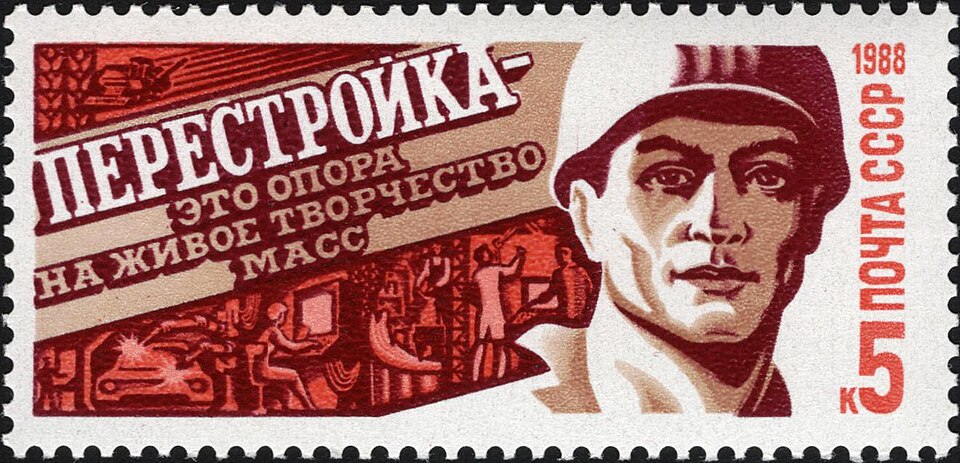
Moscow initially encouraged the formation of “Popular Fronts,” in the spirit of “Perestroika” (restructuring) hoping they would serve as reformist allies against conservative Communist Party hardliners.
Reformers within Gorbachev’s circle hoped to channel Sąjūdis’s energy into economic reform within the Soviet framework.
However, these movements quickly outgrew Moscow’s control.
At the Lithuanian Academy of Sciences in Vilnius, 35 prominent scholars, artists, and writers formed the Lithuanian Restructuring Movement (Sąjūdis) and elected an initiative group that included future Chairman Vytautas Landsbergis.
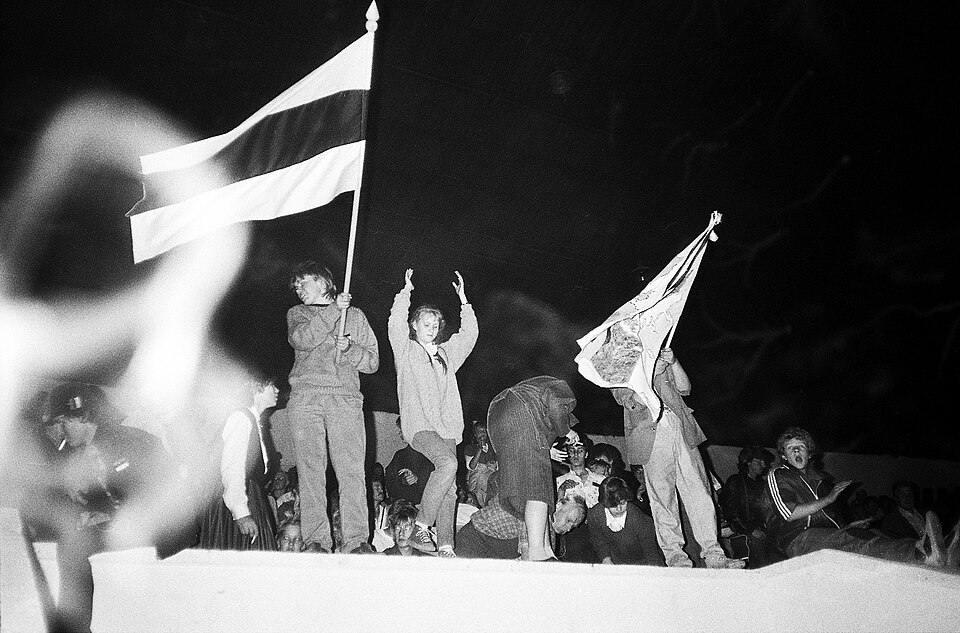
Over 100,000 Estonians assemble night after night at the Tallinn Song Festival Grounds, singing banned patriotic songs and openly flying the long-prohibited blue-black-white national flag.
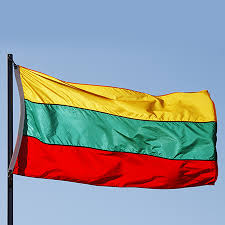
During the rally to commemorate the 1941 Soviet deportations organized by the Lithuanian Freedom League, the pre-WWII flag of independent Lithuania was raised publicly for the first time since WWII.
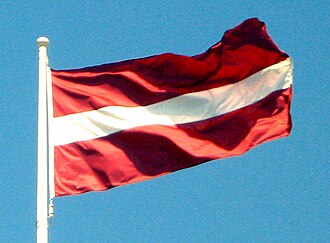
Organizers from the human rights group Helsinki-86 led a procession through Riga carrying the historical maroon-white-maroon Latvian flag to the Freedom Monument.
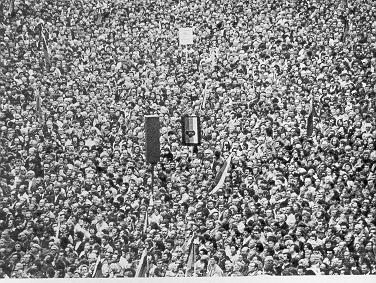
Tens of thousands gathered in Vilnius’s main cathedral square to send off Lithuanian delegates to the 19th All-Union CPSU Conference in Moscow, demanding economic autonomy and language rights.
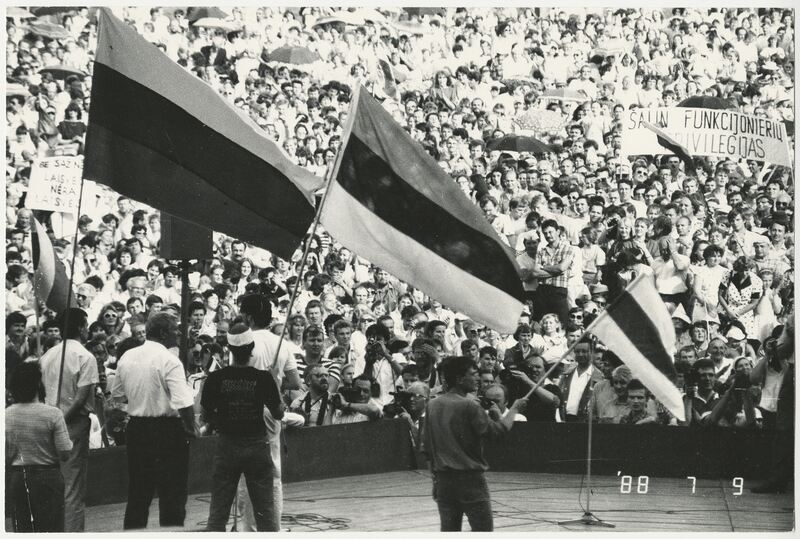
A Baltic Song Festival took place in Vilnius and attracted 50,000 participants. Individuals displayed the banned national flags of Lithuania, Latvia, and Estonia, and openly sang patriotic songs. They marched through the streets chanting “freedom.”
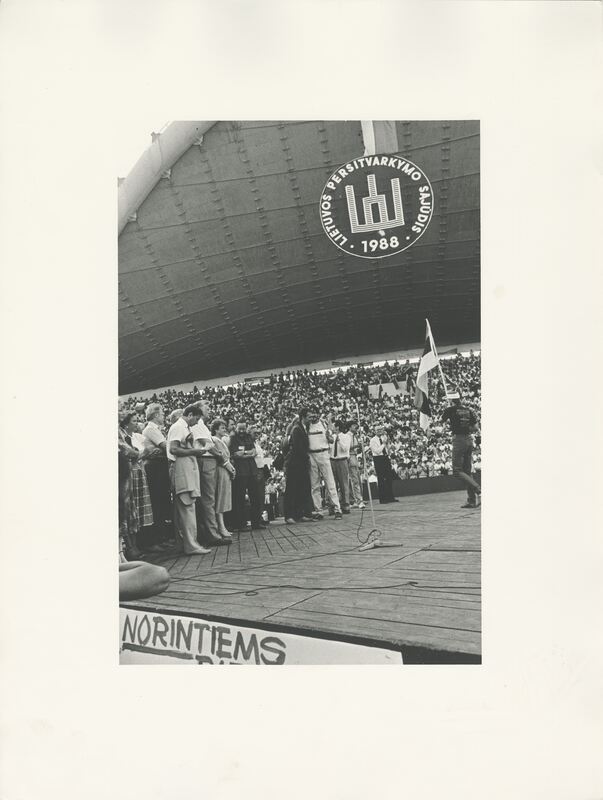
Over 100,000 people gathered to welcome returning CPSU delegates, openly displaying the yellow-green-red Lithuanian national flag and demanding the publication of the secret protocols of the 1939 Molotov-Ribbentrop Pact.
The crowd sings the pre-WWII Lithuanian national anthem for the first time since WWII.
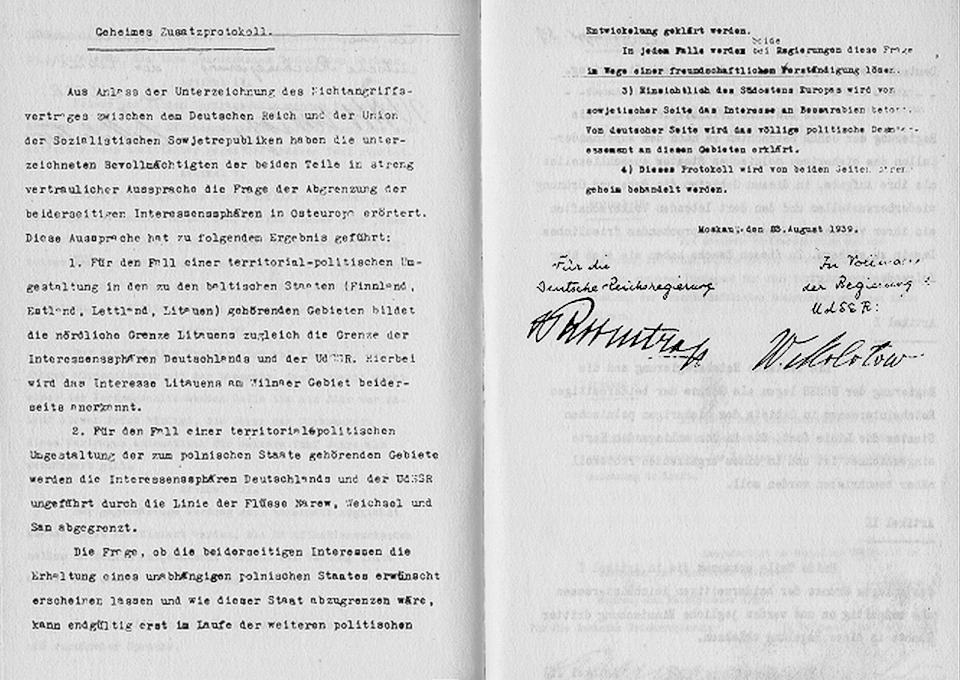
Sąjūdis publishes the Secret Protocols of the Molotov-Ribbentrop Pact in its newsletter.
British and American forces found German archives in May 1945 with a microfilm copy of the Pact. The U.S. State Department published the text in 1948.
Gorbachev continued to deny that the protocols existed.
The Kremlin consistently maintained that while the Non-Aggression Pact itself was a legitimate diplomatic maneuver to delay a Nazi invasion, no physical originals of any secret protocols existed in Soviet archives.
Moscow claimed the Allied copies found in German archives were potential Western falsifications or unverified microfilms.
Boris Yeltsin acknowledged in 1992 that the Soviet physical copy of the Pact was handed to him in a briefcase with other secret documents from Gorbachev when he resigned.
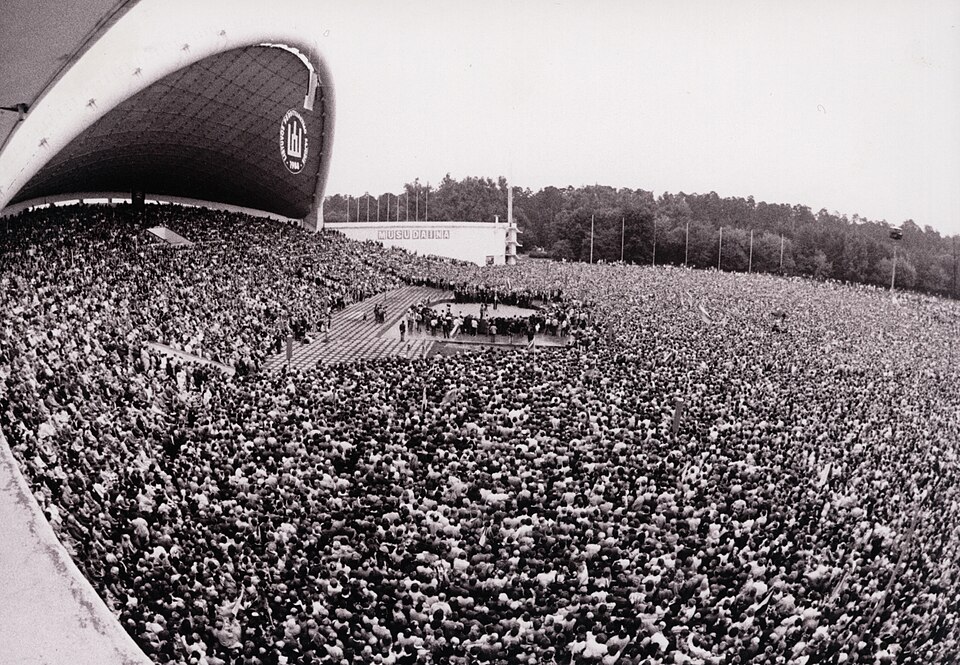
Organized by Sąjūdis, around 250,000 people assembled in Vilnius’ Vingis Park to condemn the 1940 Soviet annexation of the Baltic states.
For the first time in Soviet public history, the secret protocols partitioning the Baltic states between Nazi Germany and the USSR were openly read, condemned, and discussed.
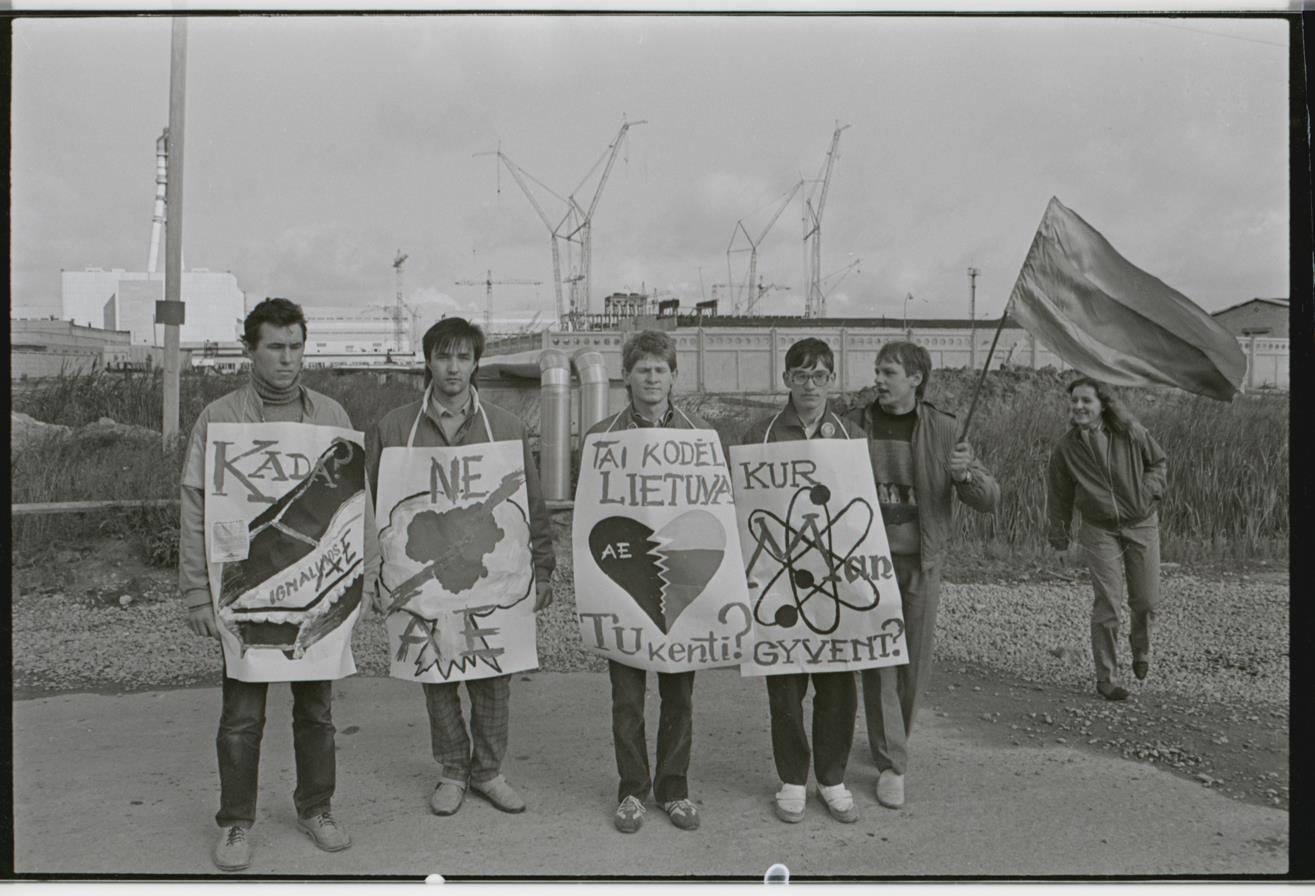
Sąjūdis organized a human chain around the Ignalina Nuclear Power Plant (“Ring of Life”), involving tens of
thousands of participants, to protest the planned expansion of a third reactor and demand safety inspections.
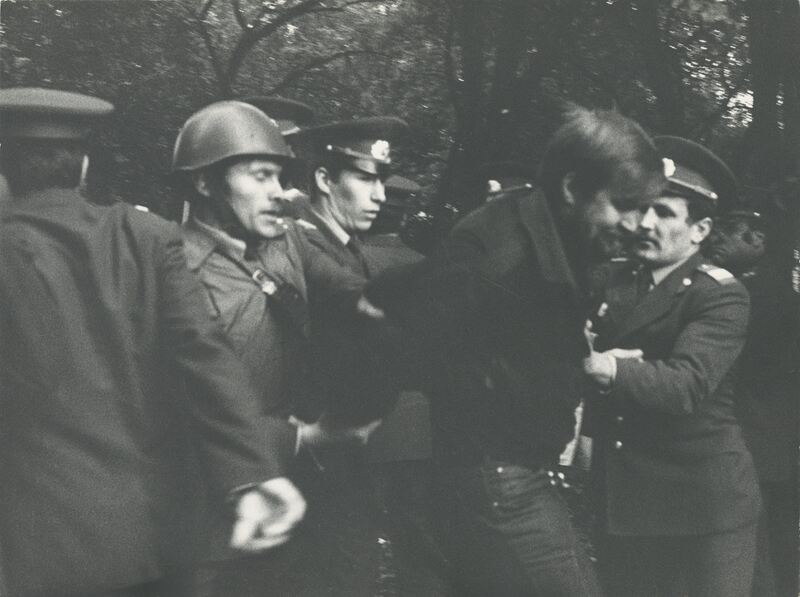
The Lithuanian Freedom League (Lietuvos Laisvės Lyga) held an unauthorized rally in Vilnius Cathedral Square.
Soviet special forces (OMON) violently broke up the crowd using truncheons, causing public outcry that forced the local Communist leadership to step down.
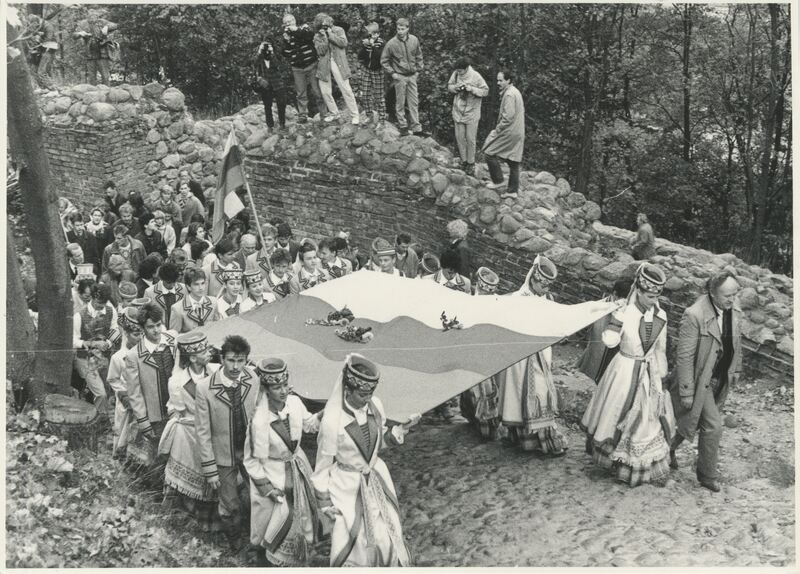
The Lithuanian tricolor was officially re-hoisted atop Gediminas Tower for the first time since the Soviet occupation.
Activists from the Sąjūdis movement organized this ceremony, which drew tens of thousands of attendees

Following summer mass rallies, the Popular Front of Latvia (Latvijas Tautas fronte) was formally established and quickly gathered over 200,000 members under the leadership of Dainis Īvāns.
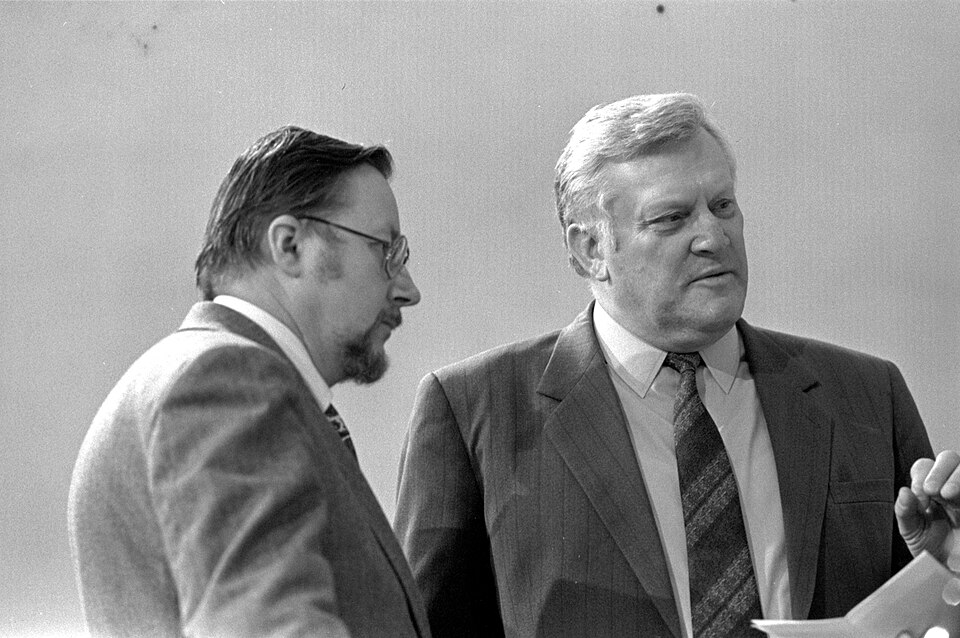
Forced resignation of hardline First Secretary Ringaudas Songaila due to public backlash over the September 28 police violence; replaced by Algirdas Brazauskas, who was sanctioned by Moscow to negotiate with Sąjūdis.
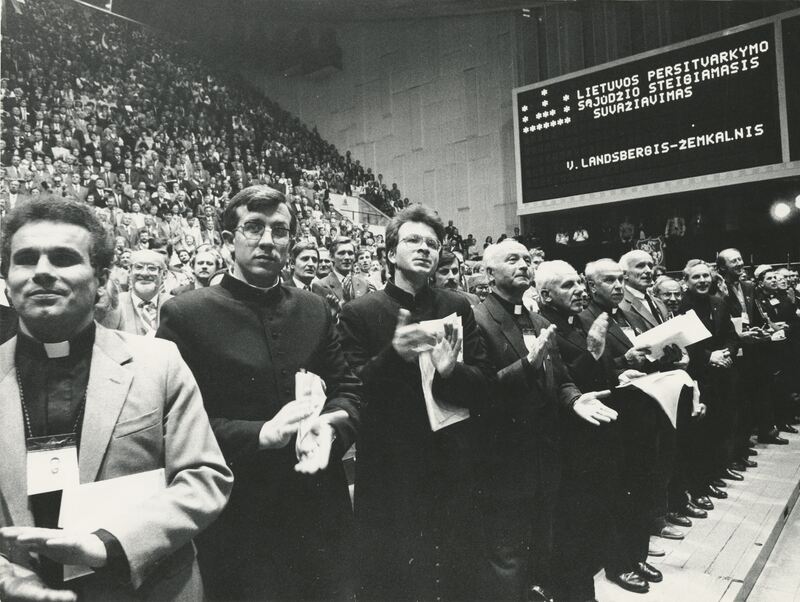
Sąjūdis held its inaugural Constituent Congress in Vilnius, attended by over 1,000 delegates representing Sąjūdis groups across Lithuania.
Broadcast live on Lithuanian state radio and television, the congress officially codified Sąjūdis as a national political force, elected a 35-member Seimas Council, and declared goals of political, economic, and cultural autonomy.
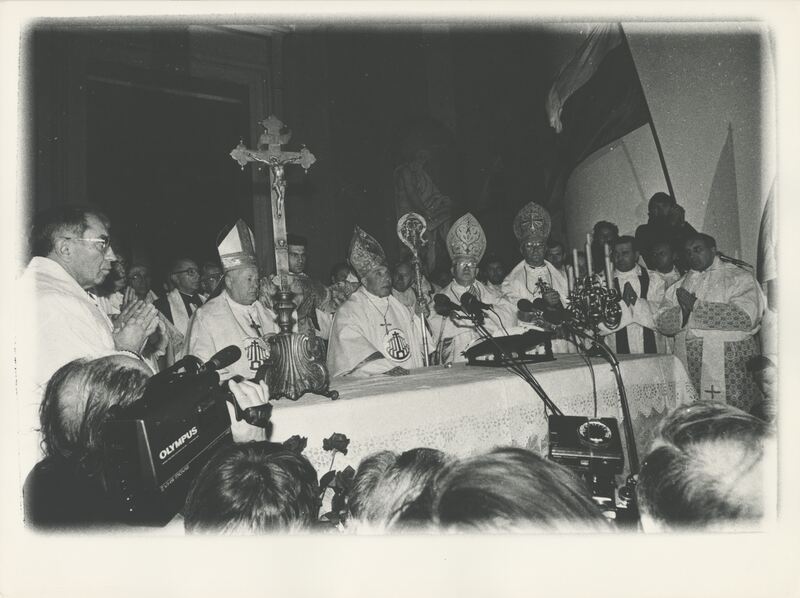
Without consulting Gorbachev, Lithuanian Communist Chief Brazauskas returned Vilnius’s main cathedral to the Catholic Church. Moscow had shut its doors after WWII.
At dawn, tens of thousands of Lithuanians attended the first Mass service there since WWII.
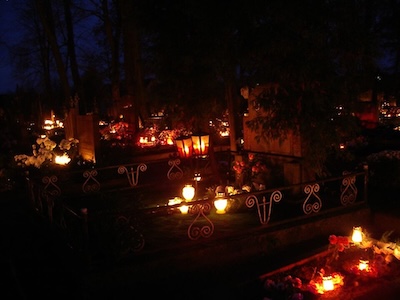
Moscow recognizes the Catholic feast day of All Souls’ Day and allows citizens to acknowledge the holiday publicly.
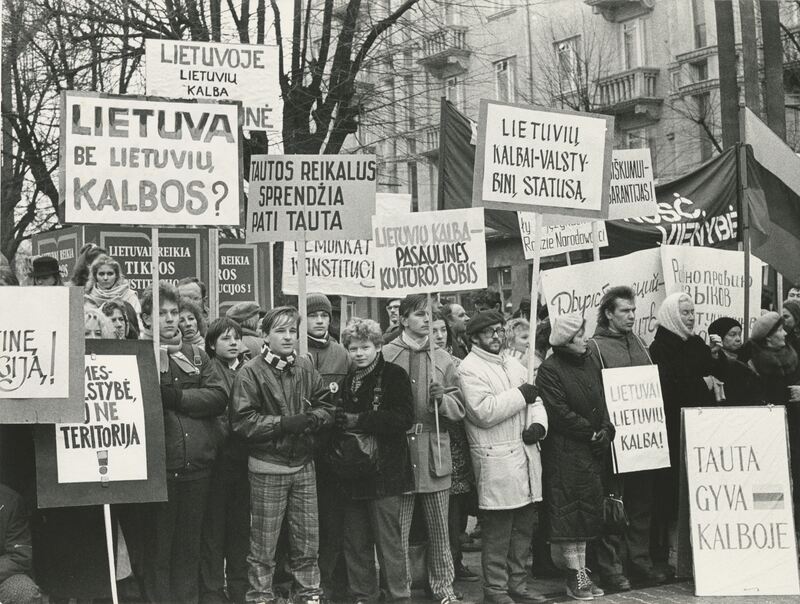
Under immense popular pressure led by Sąjūdis, the Supreme Council of the Lithuanian SSR officially legalized the Lithuanian tricolor flag, the historic anthem (Tautiška giesmė), and Lithuanian as the state language.
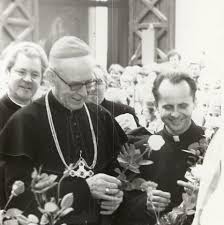
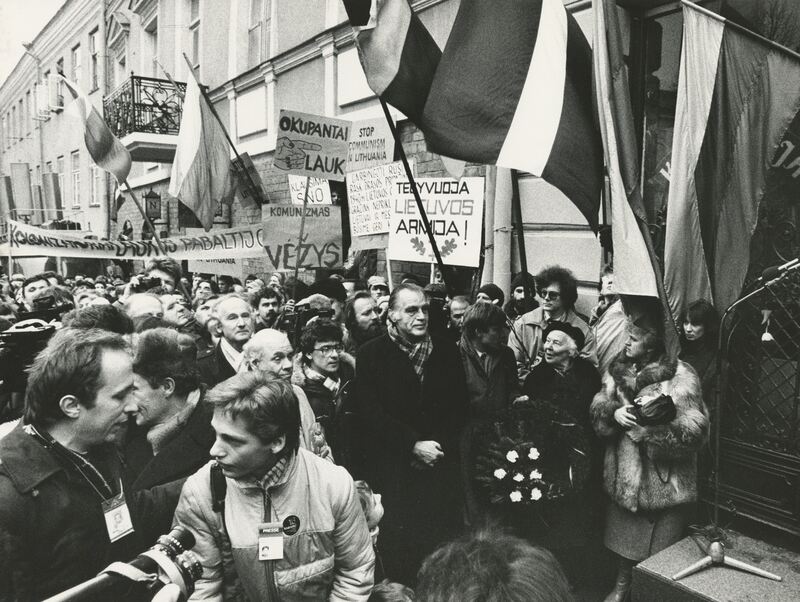
On the 71st anniversary of Lithuania’s 1918 Act of Independence, Sąjūdis issued a declaration formally stating that its goal was the restoration of an independent Lithuanian state, stepping past the framework of Soviet system reform.
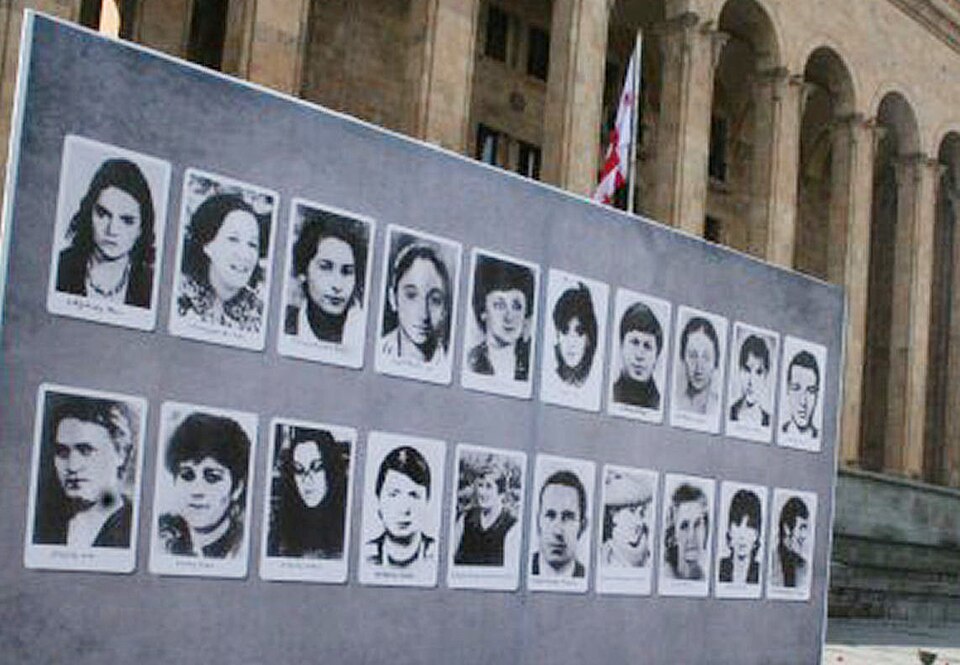
Soviet Spetsnaz, airborne troops, and internal forces violently dispersed a peaceful pro-independence rally outside the Government House on Rustaveli Avenue in Tbilisi.
Troops used entrenching shovels (saperka) and toxic CS/CN gas against civilians, killing 21 people (mostly women and young girls) and injuring hundreds.
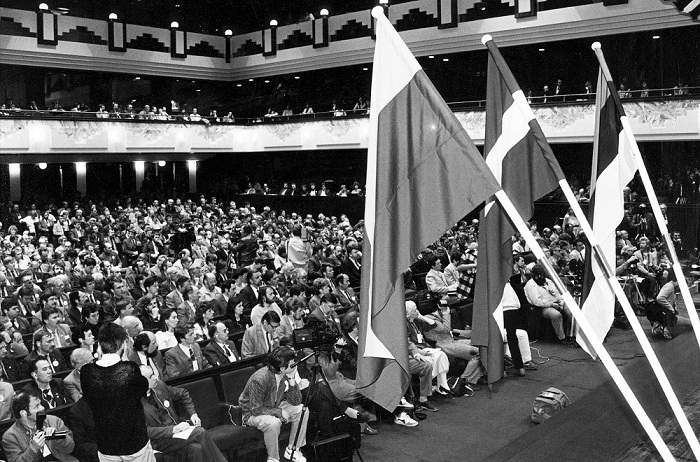
Delegates from all three popular movements gathered in Tallinn for the first Baltic Assembly, establishing joint policy goals and formally demanding the annulment of the 1939 Molotov–Ribbentrop Pact.
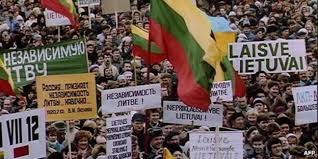
The Supreme Soviet of the Lithuanian SSR adopted a Declaration of State Sovereignty (by a vote of 291 to 8, with 3 abstentions), asserting that Lithuanian laws took precedence over USSR central legislation within the republic.
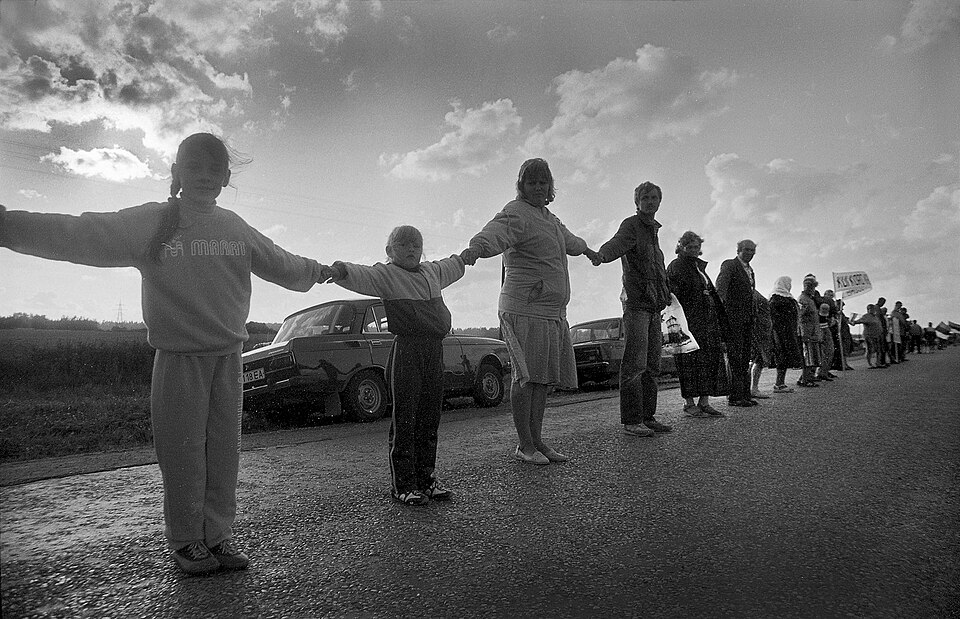
Marking the 50th anniversary of the Molotov–Ribbentrop Pact, roughly two million people joined hands to create the Baltic Way—a continuous 675-kilometer human chain connecting Tallinn, Riga, and Vilnius to demonstrate the shared demand for independence.
Moscow condemned the protest and claimed it was organized by “extremists” discriminating against other nationalities.
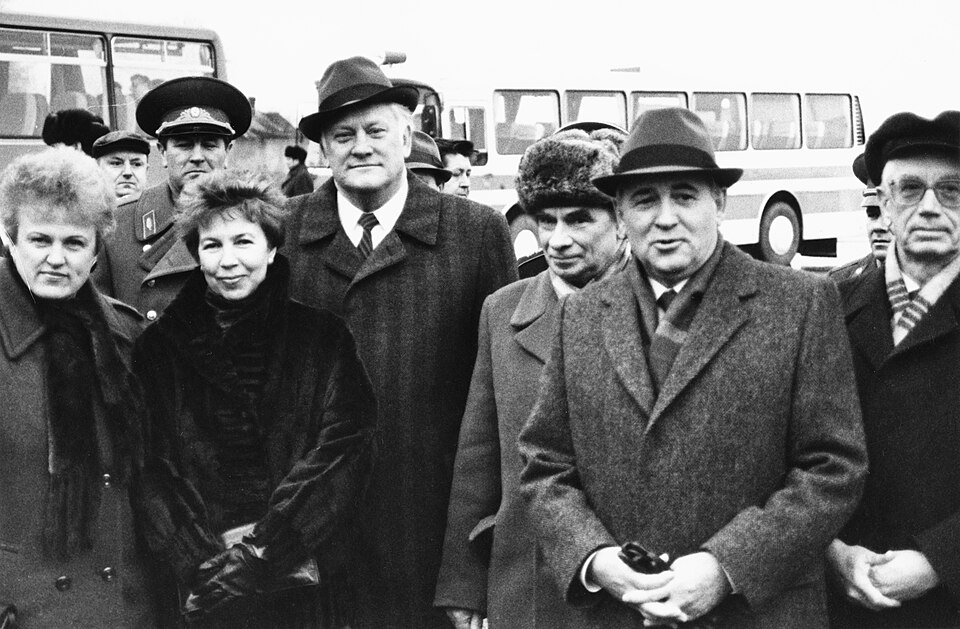
Gorbachev visits Vilnius. 250,000 Lithuanians gather for a peaceful pro-independence rally.
Gorbachev tries to persuade the Lithuanian Communist Party to return to the fold, but Brazauskas says that’s not possible.
Gorbachev announces the Kremlin has begun work on procedures for 15 republics to secede, but Lithuanians view it as a propagandistic trap.
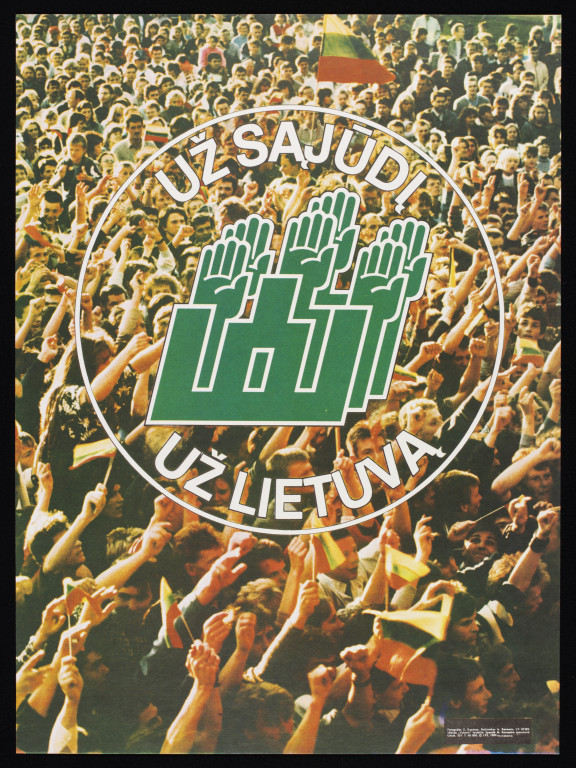
In the first multi-party elections held in Soviet Lithuania, candidates endorsed by the non-violent movement Sąjūdis-backed candidates won a decisive majority (91 of 141) in the Supreme Soviet (Supreme Council).
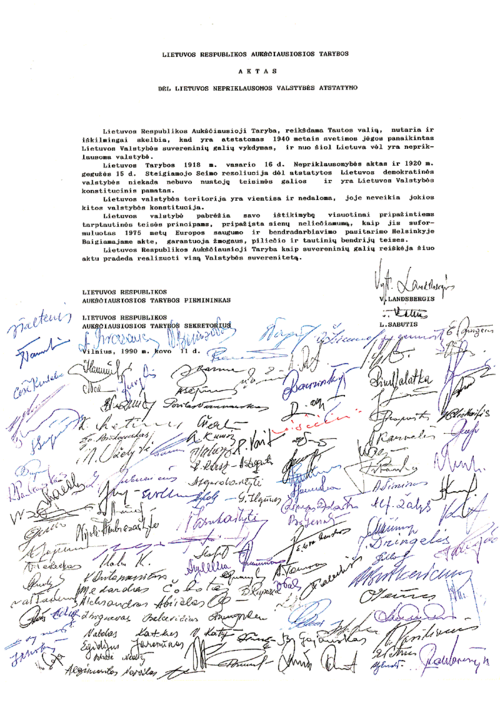
The newly elected Supreme Council passed the Act of the Re-Establishment of the State of Lithuania (with a vote of 124 for, 6 abstentions, and o nays), declaring full independence from the Soviet Union and electing Vytautas Landsbergis as Chairman of the Supreme Council.
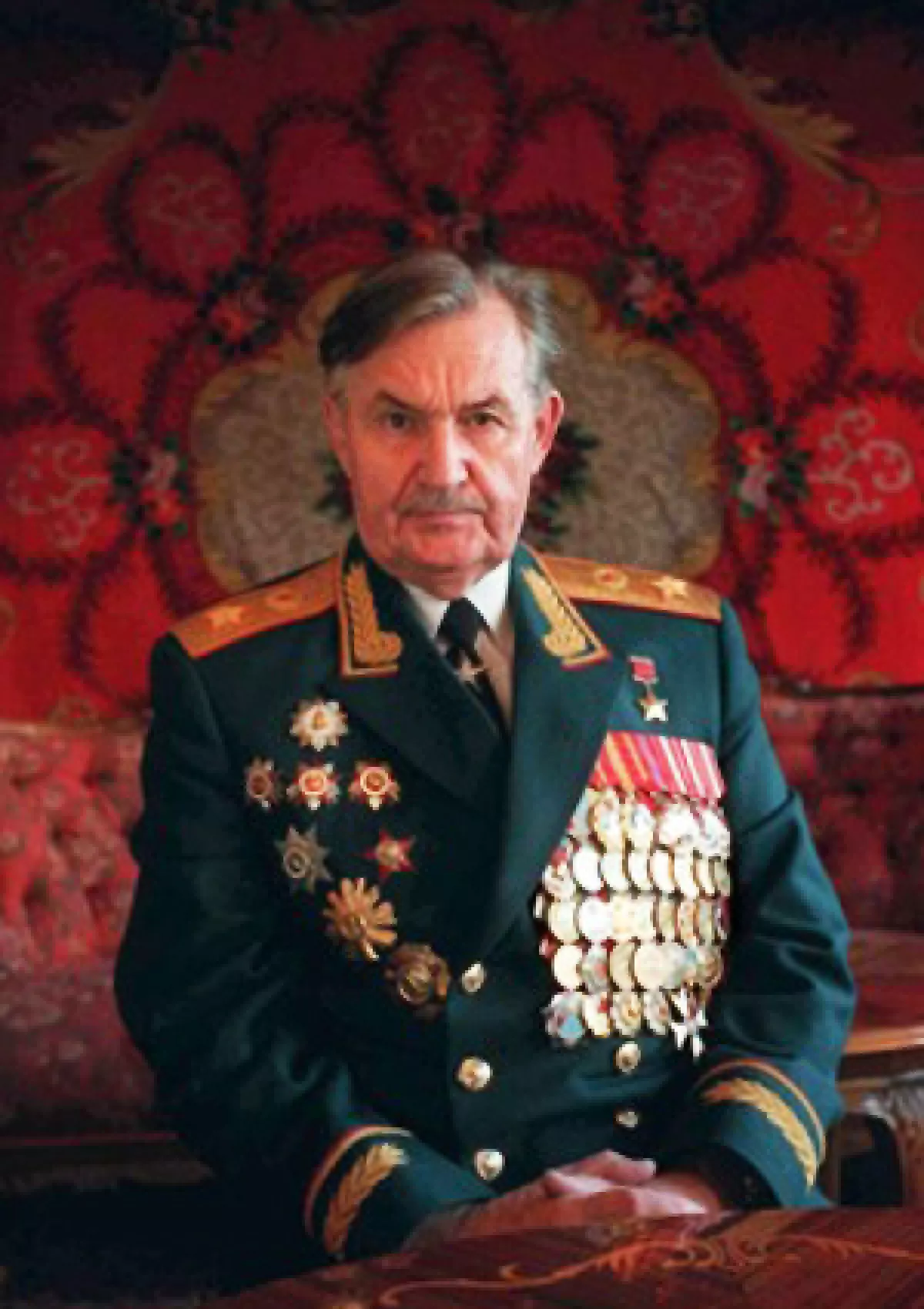
Soviet Military General Varennikov proposes a plan at the Politburo meeting to crush Lithuania’s independence: declare a state of emergency, impose direct presidential rule, deploy three regiments, “isolating” the Vilnius leadership, and have a puppet group of Lithuanians “inviting” the Soviet Army, following the Prague scenario.
General Varennikov was a World War II veteran and the Director of the Soviet war in Afghanistan.
Armed Soviet soldiers, accompanied by pro-Moscow communists, seize Lithuanian Communist (LCP) buildings in Vilnius: The Political Education Institute (Marxism-Leninism University) and the Institute for Higher Party Education. Moscow prepares strongholds for their division of the Party to work against Lithuanian independence.
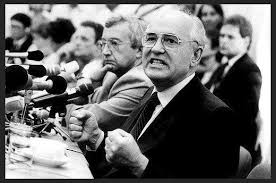
After Lithuania rejected his ultimatum demanding the revocation of the March 11 declaration, Mikhail Gorbachev imposed an economic blockade on Lithuania. Moscow cut off supplies of crude oil, natural gas, and vital raw materials, severely straining the Lithuanian economy for 74 days.
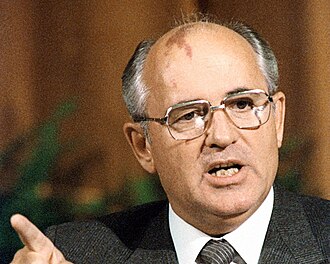
Gorbachev granted new emergency powers to declare state of emergency and implement direct presidential rule.
He disbanded the presidential council (removing reformers), formed new security council composed of KGB, Ministries of Interior and Defense.
This prepares for first step of General Varennikov’s proposed plan to act against Lithuania.
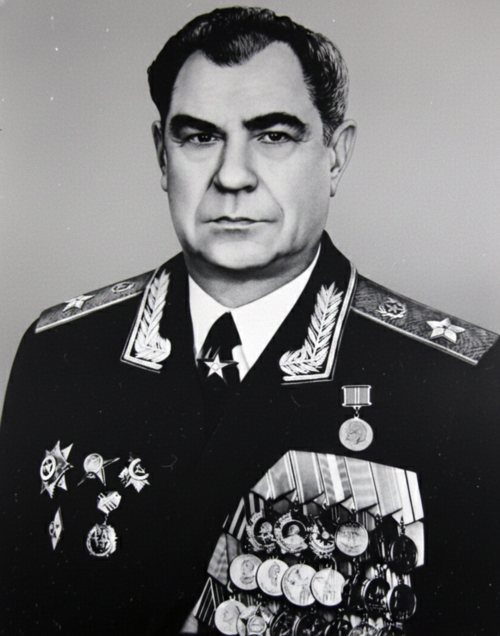
USSR Defense Minister Dimitry Yazov issues a decree stating Soviet military patrols and checkpoints will be active in the Baltic republics to arrest and detain Red Army draft dodgers and those who act aggressively toward Soviet forces and any other suspicious individuals.
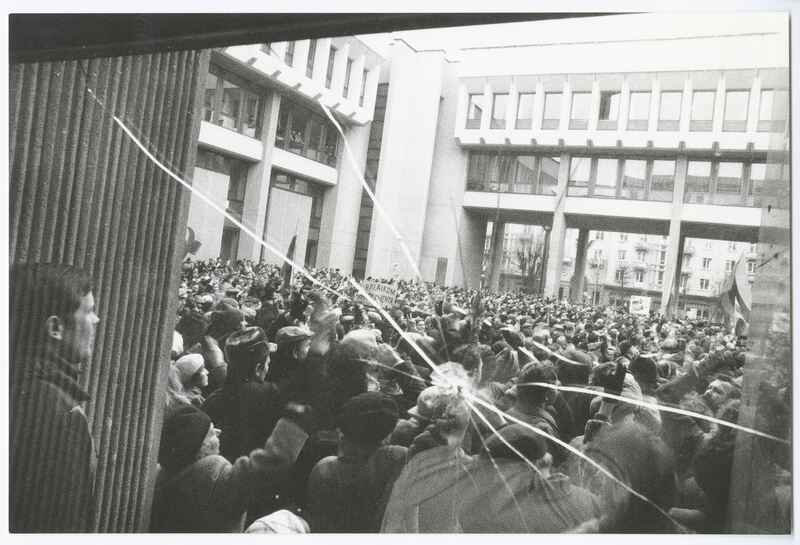
The Kremlin and LCPSU organized a pro-Moscow “Yedinstvo” protest of 5000 people at the Supreme Council. Protestors violently broke down the Parliament door, and more than 30 people made their way in. The rest of the crowd was held back with a fire hose.
Landsbergis asks citizens to gather and protect the building. Over ten thousand arrived, who peacefully pushed back the violent protestors.
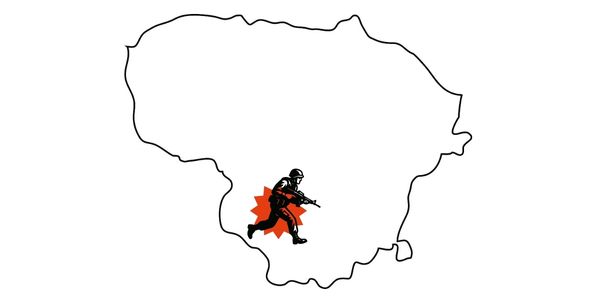
The Lithuanian National Defense Center in Alytus is seized and occupied by the Soviet military.
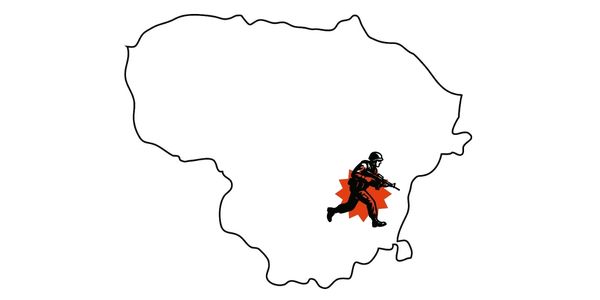
Vilnius garrison chief Major-General V. Uskhopchik informs the Lithuanian Supreme Council of the commencement of military “maneuvers” in Vilnius.
Soviet paratroopers violently seize and occupy the National Defense Department building in Vilnius. Wounded citizens are taken to the hospital.
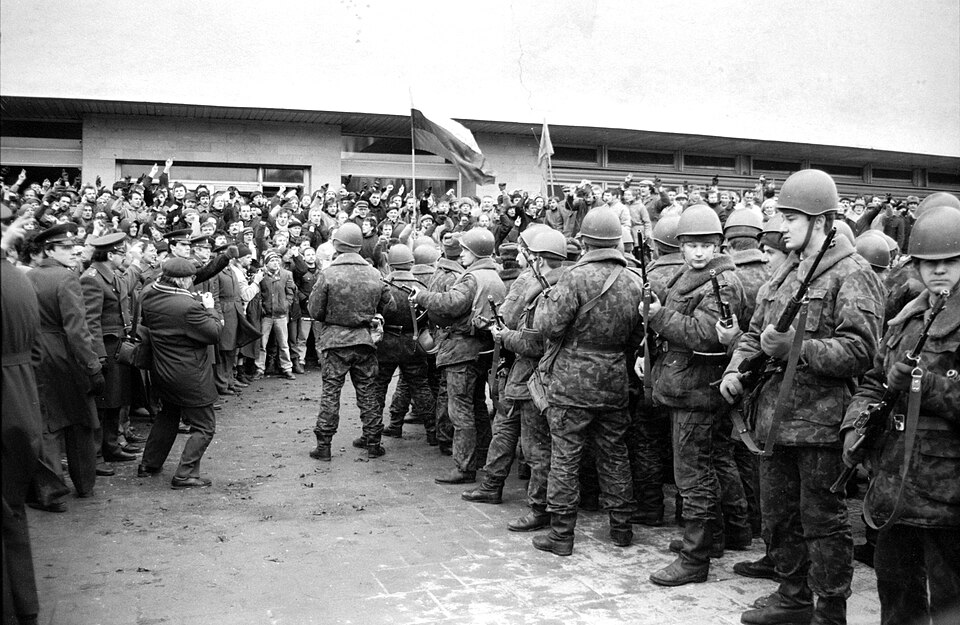
Soviet paratroopers violently seize and occupy the Press House with firearms, armored vehicles, and tanks.
Four citizens were shot; three were severely beaten. Women are among the injured.
All national newspapers are printed in the Press House. This action by Moscow is the start of a news/media blackout.
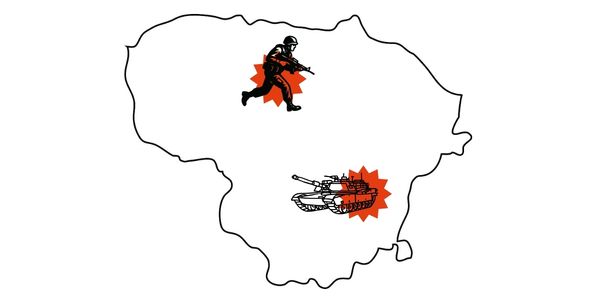
The Lithuanian National Defense building in Šiauliai was seized and occupied by the Soviet military.
A Soviet tank crashes into a truck carrying toys on Žalgiro Street in Vilnius. The truck driver is severely injured.
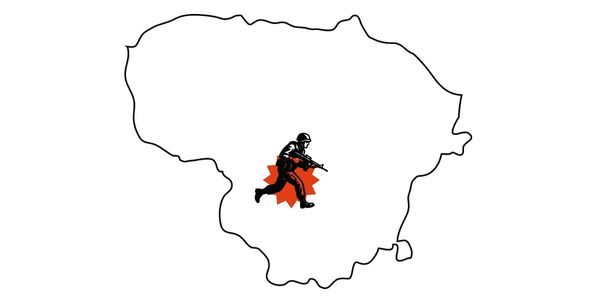
The Kaunas driving school building (where the Lithuanian National Defense Department courses take place) is seized and occupied by the Soviet military.
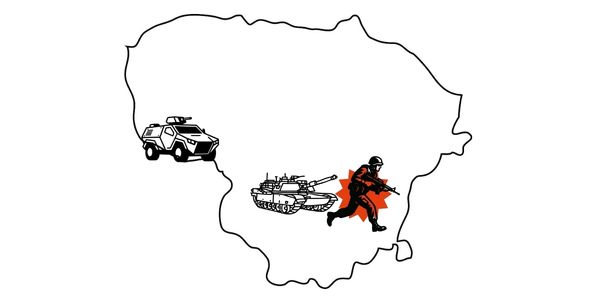
At 4:30 pm, 50 Soviet Paratroop tanks move from Rudamina to Vilnius.
In the Mariampole region near Igliauka, the road to Vilnius is blocked.
Military vehicles move from Panemune towards Vilnius.
At 6 pm, the Soviet military seizes and occupies the Hunting and Fishing Society building in Vilnius.
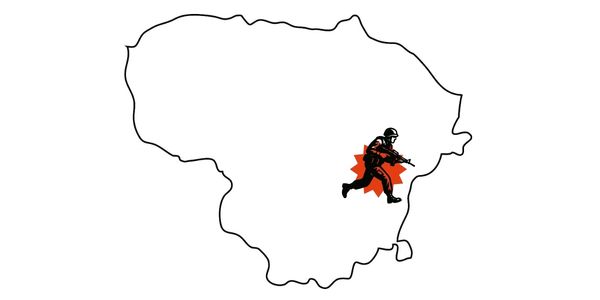
The TV relay station center in Nemenčine is seized by the Soviet Military.
Soviet paratroopers break into the Lithuanian National Defense Department building on Kociuskos Street in Vilnius.
Two Lithuanian employees were beaten with riot sticks. The offices within were pillaged and destroyed.
Soviet special-unit forces seized the Lithuanian Police Academy building.
About 20 armored vehicles surrounded the building; soldiers disembarked, ran through the yard, cutting phone lines and other communications.
Only 4 of 40 Lithuanian officers escaped.
Soviet military vehicle crushes a car on Tvirtoves Avenue in Kaunas. One person is killed, another critically injured.
Thousands of people from Vilnius and all over Lithuania are guarding Parliament, the television committee, the television tower, and the intercity telephone station.
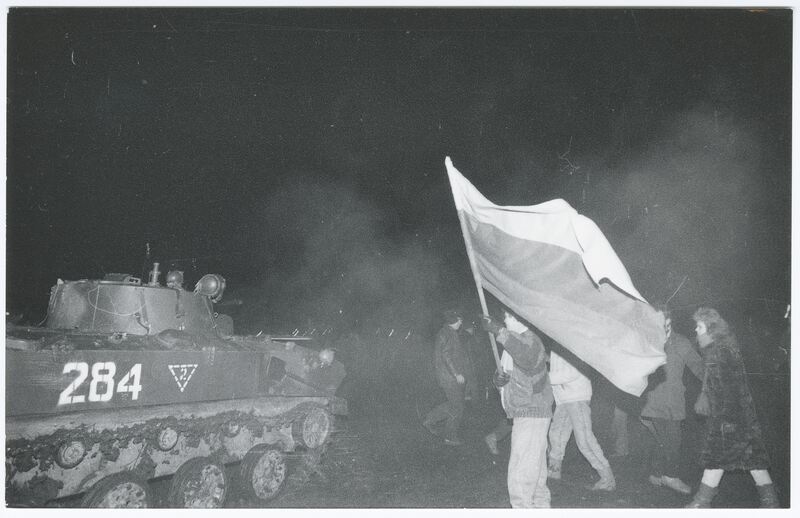
Soviet forces attacked peaceful, unarmed civilians holding vigil at the Vilnius TV Tower, killing 14 and injuring over 700.
Soviet troops seized the TV transmission tower and the Lithuanian radio/tv center, creating a media blackout.
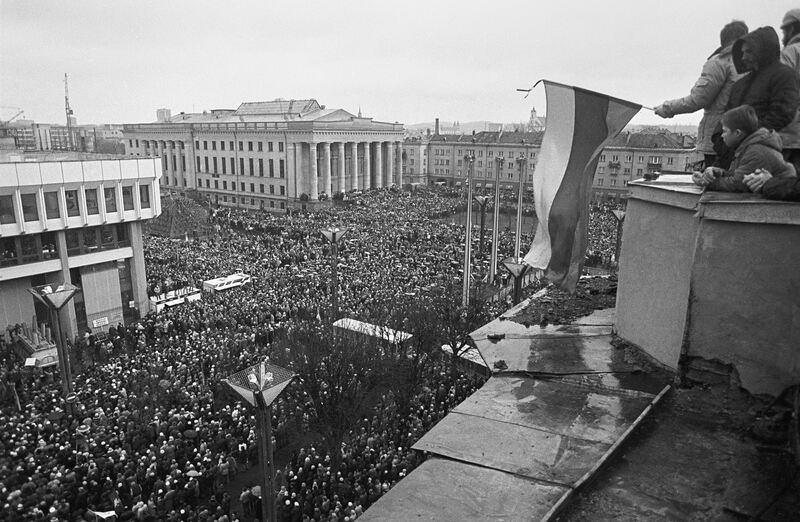
When Soviet tanks arrived at the Lithuanian parliament building to remove the government, they were met by 30,000 unarmed protesters who linked arms and sang songs.
The Soviet soldiers could not penetrate the crowd, and they returned to their base.
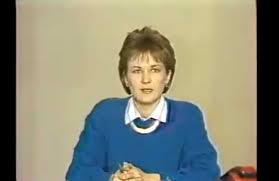
Lithuanian TV news desk of Eglė Bučelytė, who continues to report during the attack, appears, then fades.
The transmission switches to a crowd in Independence Square at Parliament, saying Hail Mary in unison, then singing “Lithuania Beloved” (Lietuva Brangi), the unofficial Lithuanian national anthem.
At 2:17 am, when Soviet soldiers made their way through the building to the studio, they cut the broadcast.
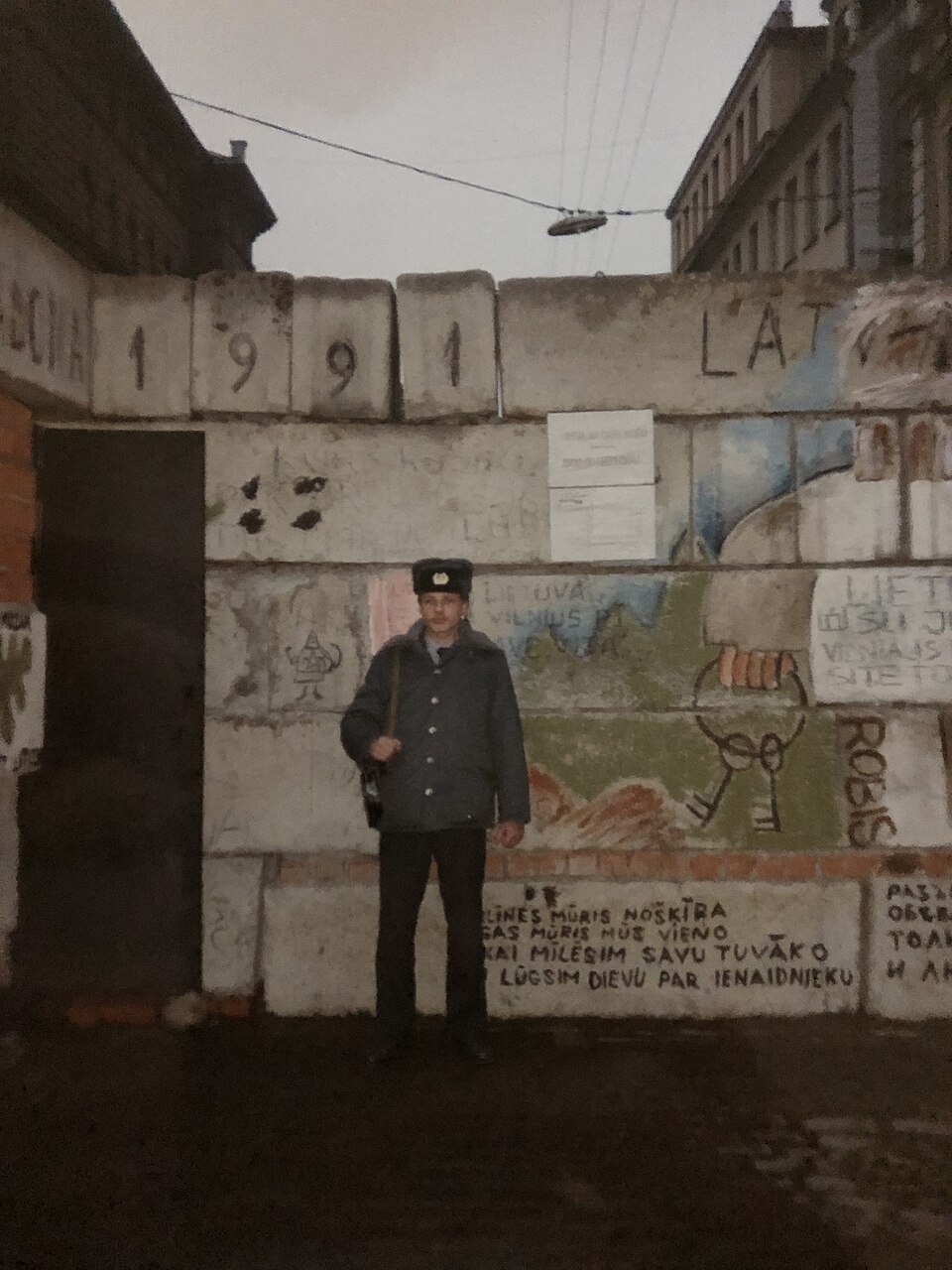
Following the violence in Vilnius, tens of thousands of Latvians constructed massive barricades of concrete blocks, trucks, and heavy machinery around the Parliament (Saeima), TV tower, and bridges in Riga to repel a potential Soviet military assault.
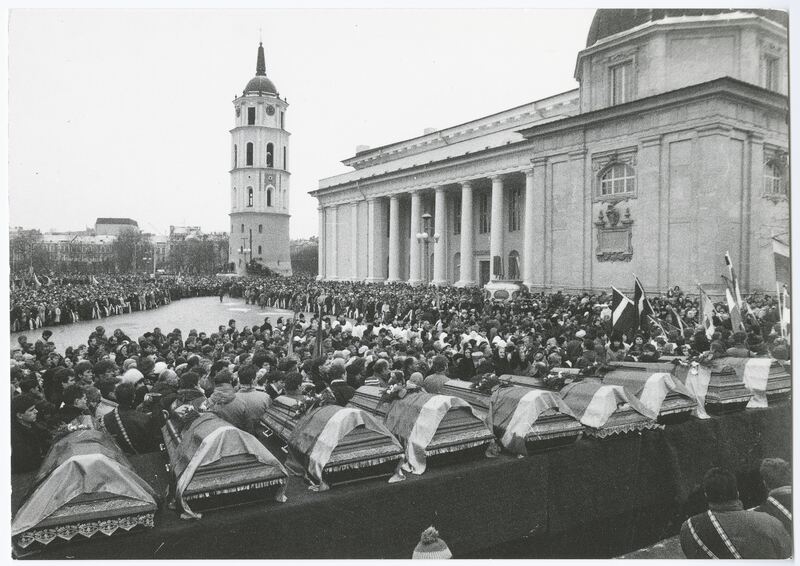
Loreta Asanavicuite (24yrs),
Virginijus Druskis (22yrs),
Darius Gerbutavicius (18yrs),
Rolandas Jankauskas (22yrs),
Rimantas Juknevicius (25yrs),
Alvydas Kanapinskas (39yrs),
Algimantas Petras Kavoliukas (52yrs),
Vidas Maciulevicius (25yrs),
Titas Masiulis (29yrs),
Alvydas Matulka (31yrs),
Apolinares Juozas Povilaitis (54yrs),
Ignas Simulionis (18yrs),
Vytautas Vaitkus (48yrs).
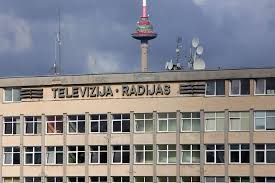
The ‘National Salvation Committee’ begins to broadcast from the occupied TV tower and station media buildings in Vilnius.
The Lithuanian government also begins to broadcast from a makeshift studio in the parliament building, but the broadcast can only be seen in parts of Vilnius.
Radio/TV Kaunas continues broadcasts to reach a wider audience. Poland and Scandinavian countries are able to capture some of those transmissions from Kaunas.
Soviet OMON shot their way into the headquarters of the Latvian Interior Ministry, seizing the building in a gun battle that raged in central Riga, Latvia, for 90 minutes.
Five people were killed (and ten wounded): filmmakers/cameramen Andris Slapiņš and Gvido Zvaigzne, policemen Sergējs Kononenko and Vladimir Gomanovich, and high school student/passerby Edijs Riekstiņš
Gorbachev denies responsibility.
Five military jeeps arrived at the Vilnius central paper and print dye warehouse (which supplies paper and print dye for newspapers and other publishing houses).
Two CPSU members said they were taking the warehouse under control.
About 20 armed Soviet soldiers seized the building.
Two Parliament Security employees are stopped at a Soviet military checkpoint. Soviet soldiers shoot at the car, but they escape.
Later, two Parliamentarians are stopped at the checkpoint and are shot at. When they tried to flee on foot, one was shot in the leg, and the other was abducted by soldiers.
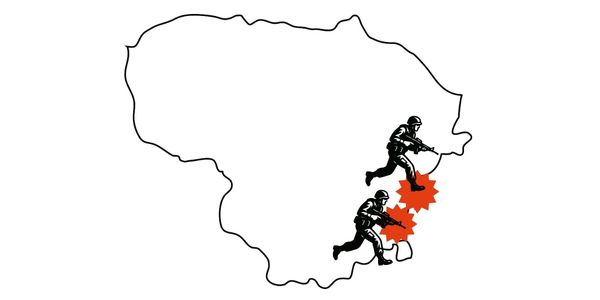
Lithuanian customs post at Lavoriskes on the Belarusian border is attacked by the Soviet military.
Later, the same soldiers arrived at the Medininkai customs post, ordered six Lithuanian customs officers on the ground at gunpoint, and searched the post for weapons. When the soldiers found nothing, they thrashed the post and left.
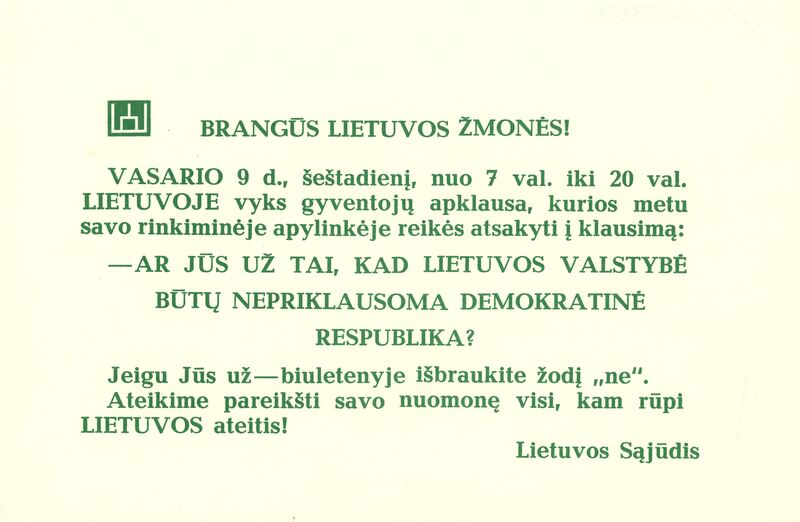
In a Lithuanian plebiscite, over 90% of voters stated “yes,” Lithuania should be an independent democratic state.
84% (2,241,992) people voted (total of registered voters = 2,652,738). Total yes votes (in favor of independence) were 2,028,339 (90%); total no votes (against independence) were 147,040 (6%).
International observers from twelve countries verified the voting and results.
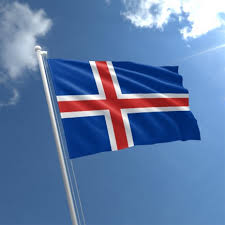
With a vote (43 in favor, one against, with two abstentions and 17 members absent) in Iceland’s Althing — the world’s oldest parliament — Iceland was the first nation to officially recognize Lithuanian independence.
Moscow responded by expelling Iceland’s ambassador to Russia.
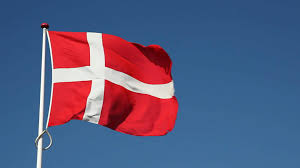
Danish Foreign Minister Uffe Ellemann-Jensen and Lithuanian Foreign Minister Algirdas Saudargas signed the Joint Protocol “On Cooperation Between the Kingdom of Denmark and the Republic of Lithuania” in Copenhagen.
The protocol contained three main diplomatic commitments:
1. Reaffirmation of De Jure Recognition: Denmark explicitly affirmed that its original September 1921 de jure recognition of Lithuania remained valid. Denmark emphasized that it had never legally recognized the 1940 Soviet annexation of Lithuania.
2. Recognition of the Restored Government: Denmark formally recognized the democratic legitimacy of the Supreme Council of Lithuania (restored on March 11, 1990, and reconfirmed by the February 9, 1991 plebiscite) and its newly formed government.
3. Pledge to Restore Diplomatic Relations: Both nations formally pledged to re-establish full ambassadorial diplomatic relations as soon as practical conditions permitted. (Which occurred August 24, 1991)
A group of Soviet OMON officers fires at a small bus carrying seven Lithuanian National Defense officers.
One is shot in the thigh and hospitalized. Two others, who were beaten, are being held by the Soviet military.
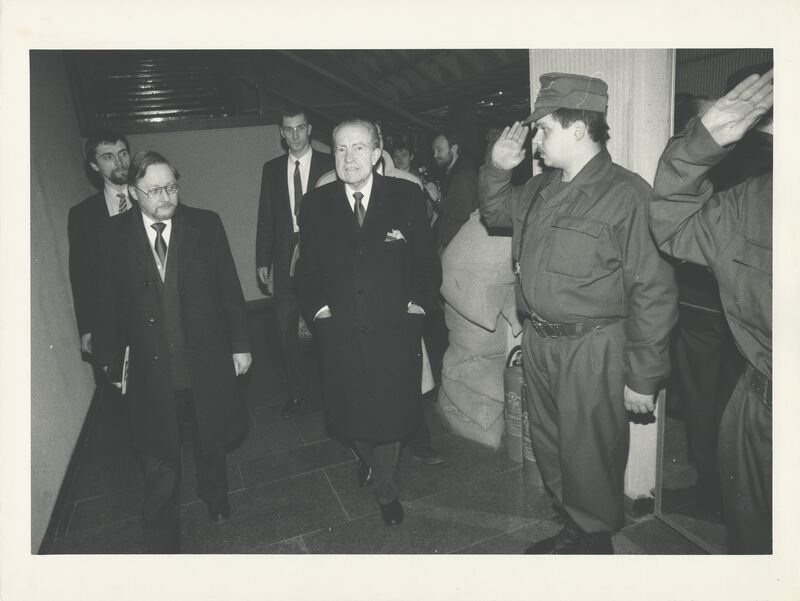
Former US President Richard Nixon visits and meets with Lithuanian leaders in Vilnius and gives a speech at the TV Tower declaring: “Lithuania’s independence is inevitable. It is not a question of whether, but when and how…”
Soviet military seizes the driving school building in Vilnius. Armed soldiers wearing bullet proof vests arrive, ejected the employees and are holding the building.
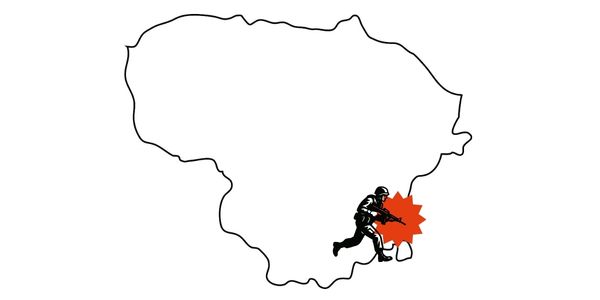
Soviet military (15 soldiers, 2 officers) surrounded the Medininkai customs post on the Belarusian border.
When asked what they were doing, they replied that they were carrying out Gorbachev’s Decree.
The soldiers unsuccessfully searched the post for weapons, vandalized the post, cut telephone wires, and confiscated radio equipment and documents.
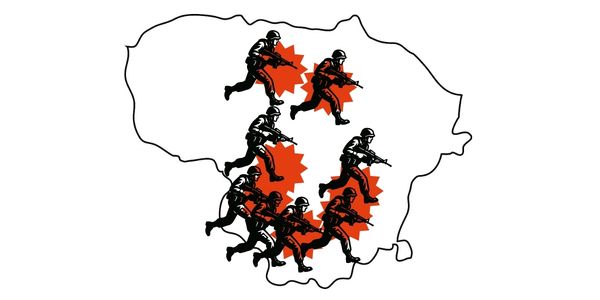
Soviet military seized and occupied eight more buildings: technical schools in Mariampole, Alytus, Siauliai, Panevezys, an aviation factory in Prienai, the Hotel ‘Signalas’ in Alytus, an aero club in Kyviskes, and a gliding club in Palukne.
The soldiers confiscated technical equipment, building materials, inventory, and cars from the schools.
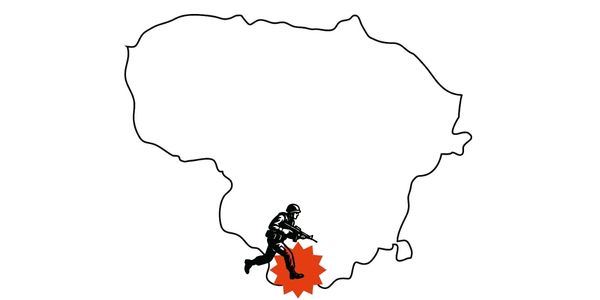
At 2:00 am, the Druskininkai customs post near the Byelorussian border was attacked by the Soviet military.
Soldiers fired weapons and threw grenades at the post. 5 Lithuanian unarmed customs officers and 8 border patrol officers escaped with injuries.
The soldiers withdrew, leaving the post destroyed and a nearby bus station on fire.
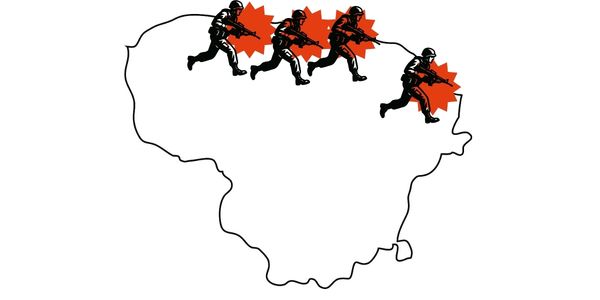
Four Lithuanian border customs posts (Germaniskis, Salciai, Vegeriu, Smelynes) along the Latvian border were attacked by Soviet military special OMON forces.
The soldiers did not shoot this time, but ordered post workers to lie on the ground as they searched, vandalized, and set fire to the posts.
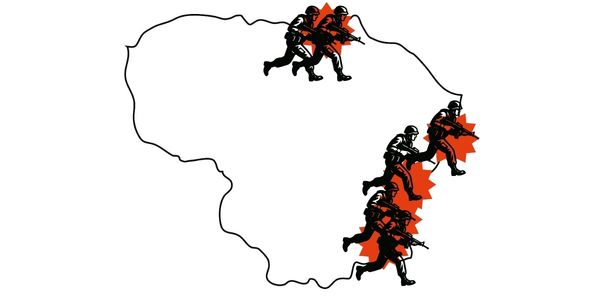
Five Lithuanian customs border posts along the Latvian-Byelorussian border were attacked by the Soviet military in the middle of the night: Kalviai, Salociai, Lavoriskis, Medininkai, Sumsko. Posts were set on fire; workers were beaten.
Parliamentarian Mrs. Rastauskiene, driving near Salociai, was shot at, stopped by soldiers, and crudely assaulted.
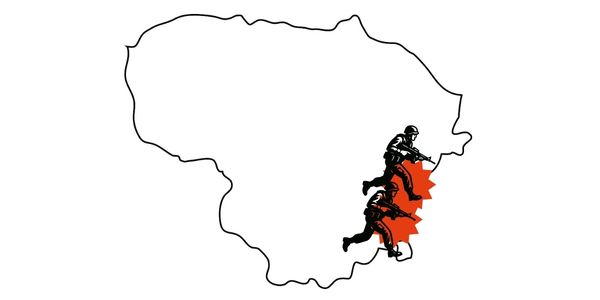
At 21:30, Lavoriskis customs post was attacked and burned down. About 15 soldiers, dressed in both civilian and military clothes, stormed the post and violently beat the 4 Lithuanian guards on duty with the butt of their guns.
At 21:50, the same soldiers arrived at the Sumskas post, attacked it, beating the Lithuanian guards.
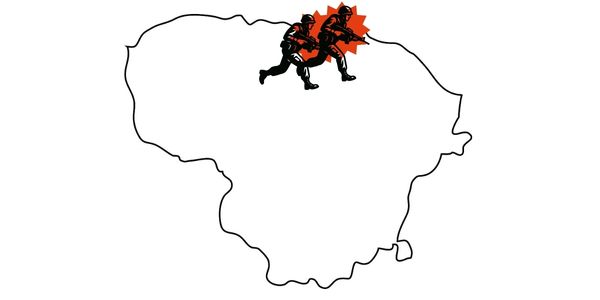
At 2:30 am, at Germaniskis, a group of 6-7 OMON soldiers arrived from Latvia, attacked, and burned down the post.
At 4:00 am, the same troops arrived at the Salociai post. They forced the shift foreman to undress at gunpoint and beat up several workers.
At 16:30, Soviet military forces seize the state telegraph and telephone center in Vilnius. About 50 armed soldiers broke into the building and ordered employees to stand aside as they stationed themselves throughout the building and disconnected the power and telecommunications equipment.
They cut communications with the other Baltic States, Moscow, and the West, but restored them hours later.
At 1 am, at the Lithuanian customs post at Salociai, five armed men dressed in civilian clothes forced post workers to lie on the ground, poured gasoline on the customs booth, and set it on fire.
At 14:10, approx. 17 armed men arrived at the post; 4 post workers attempted to run away but were captured.
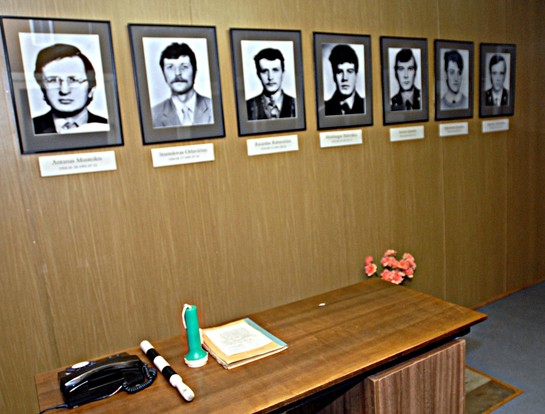
Soviet OMON (special police unit) forces shot 8 Lithuanian border guards at the Medinikai customs post in the middle of the night.
Those killed:
Mindaugas Balavakas (b1970)
Juozas Janonis (b1962)
Algimintas Juozakas (b1969)
Algirdas Kazlauskas (b1949)
Antanas Musteikis (b1958)
Stanislovas Orlavicius (b1956)
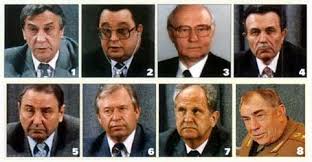
The “State Committee for the State of Emergency in the USSR” was officially established. Members included the “Committee of Eight” (Gosudarstvennyi Komitet po Chrezvechainomu Polozheniyu – GKChP), which signed decrees removing Gorbachev from power, citing his “state of health,” and assumed control over all State functions.
Their real goal was to keep the Soviet Communist Party leadership in power, so they needed to remove Gorbachev and eliminate the emerging democratic Russian government led by Boris Yeltsin.
The coup leaders (Committee of Eight):
Defense Minister Dmitri Yazov
KGB Chairman Vladimir Kryuchkov
Interior Minister Boris Pugo
Vice President Gennady Yanayev
Prime Minister Valentin Pavlov
First Deputy Chairman of the Defense Council Oleg Baklanov
Chairman of the Peasant’s Union Vasili Starodubtsev
President of the State Association of Industrial Enterprises Aleksandr Tizyakov
Soviet forces seize the Kaunas radio and television center (the continuing free Lithuanian station that went live after the TV tower and radio/tv centers in Vilnius were seized in January).
Television broadcasts in Lithuania are disrupted, but radio in Vilnius continues.
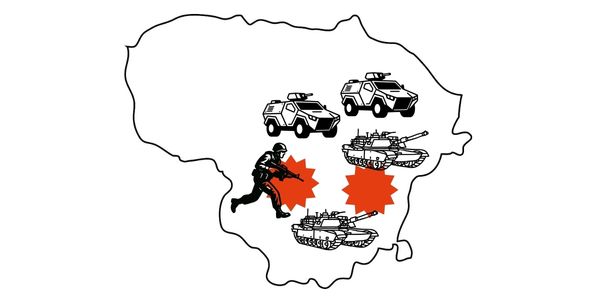
Military columns with tanks from various locations are traveling toward Vilnius.
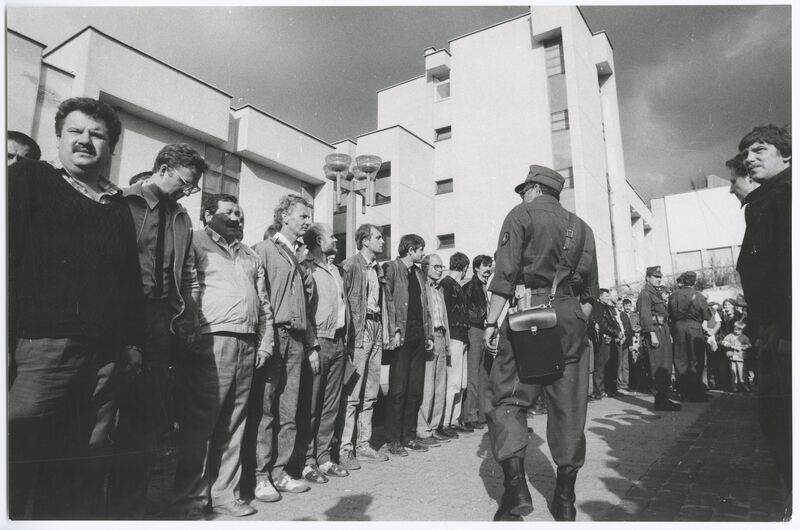
Landsbergis appeals to Lithuanian citizens to guard the Lithuanian Parliament building from any potential coup.
He also asks all members of parliament to return to the Supreme Council building.
Thousands of people gather at the building.
Vilnius International Telephone Exchange Center is occupied by the Soviet military – Lithuania loses ties to the West, although sporadic ties to the USSR remain.
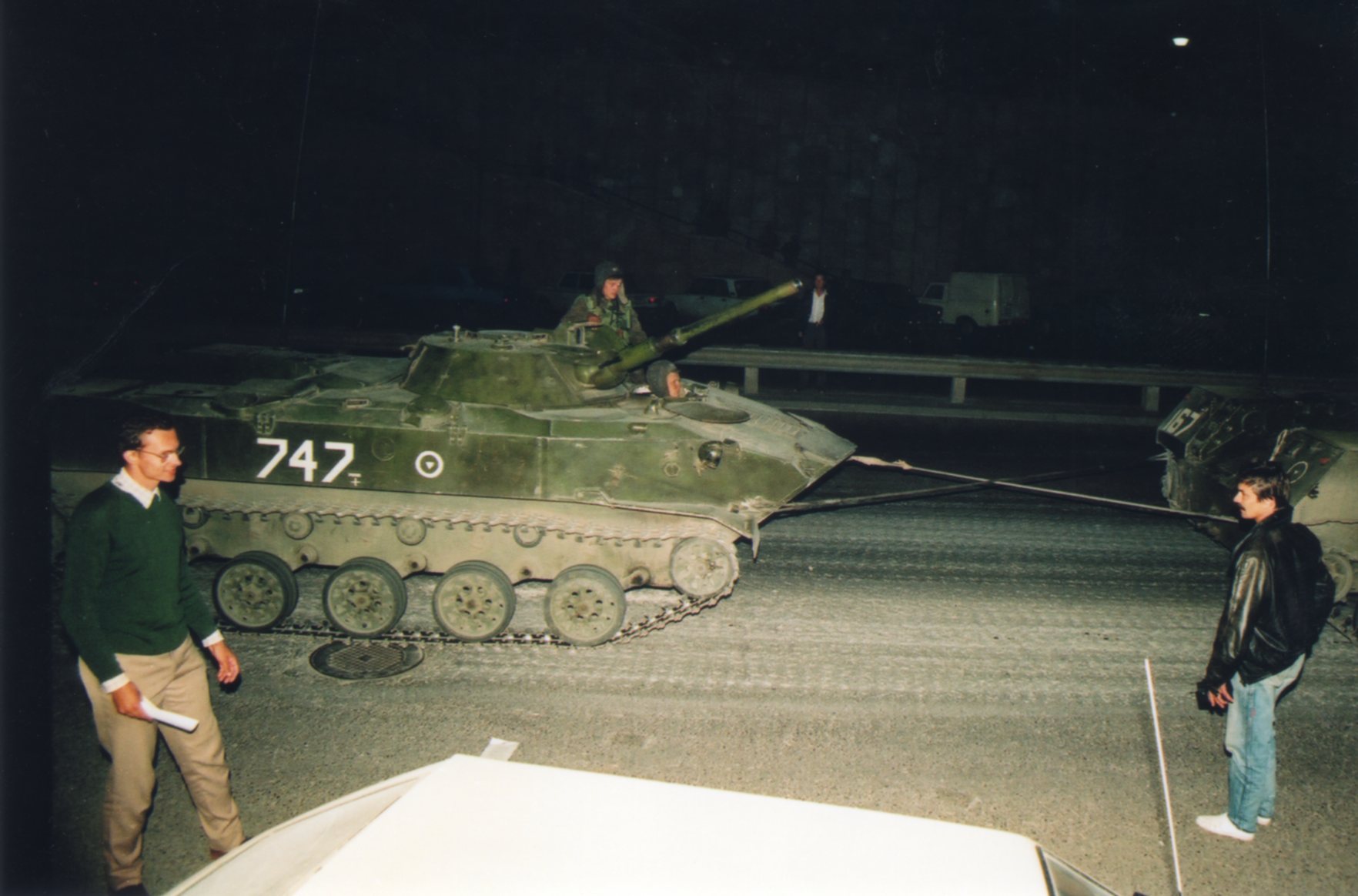
Over 100 Soviet tanks surround the three approaches to the Lithuanian Parliament building, surrounding it.
They await Lithuanians to fire upon them, but Lithuanians show restraint. Unarmed citizens stand between the tanks and the building in a standoff.
After a half hour, the tanks withdraw.
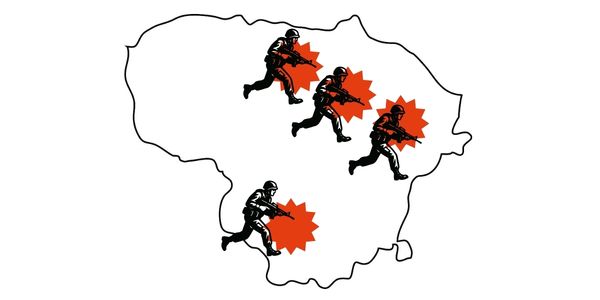
By 9 am, the Soviet military had seized radio relay stations in Anyksciai, Siauliai, Alytus, and others, as well as the telephone-telegraph exchange in Panevezys.
The only “free” broadcasts in Lithuania were emanating from the Parliament studio.
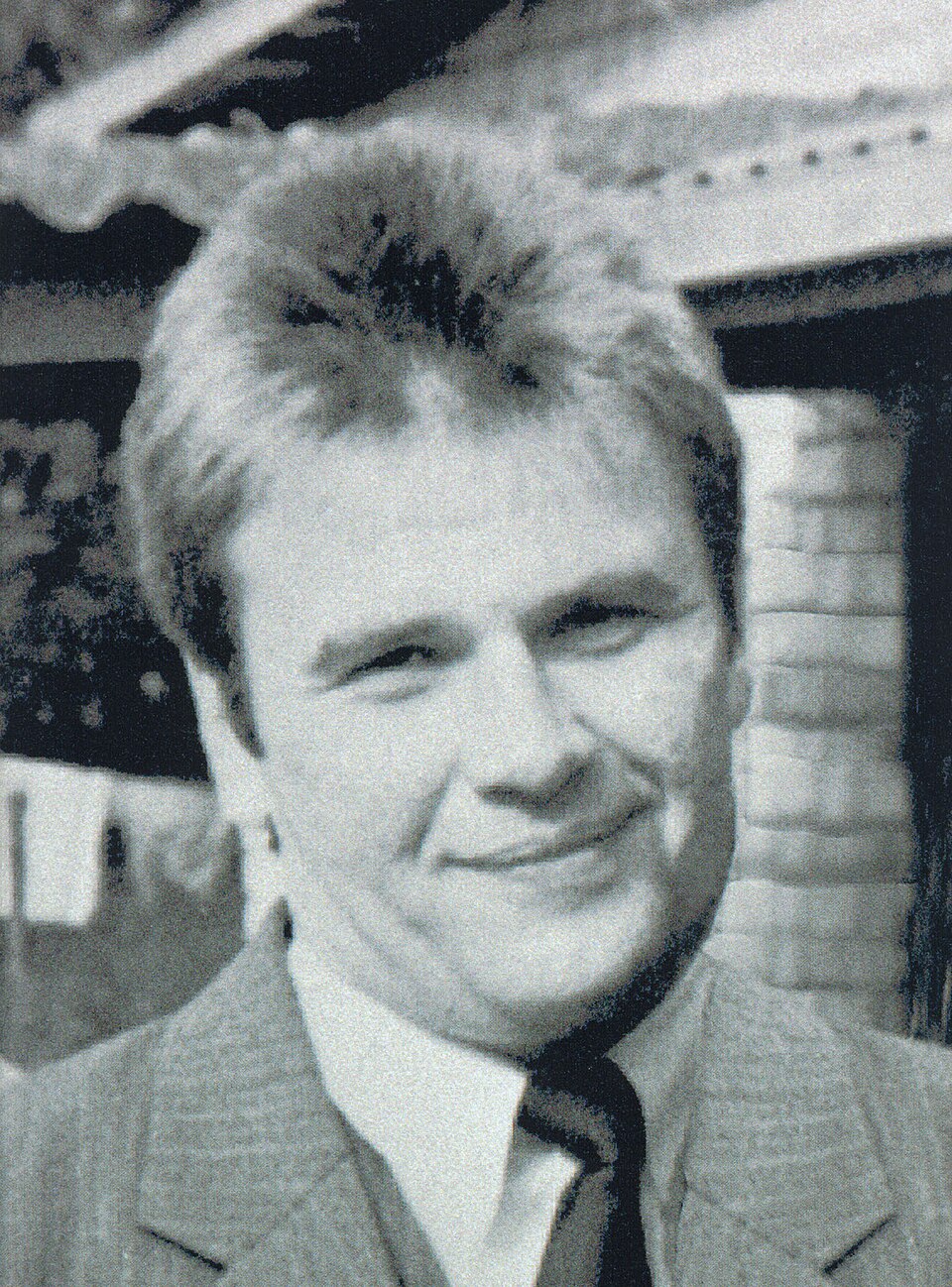
A rogue group of KGB soldiers breaks through a Lithuanian Parliament checkpoint in a jeep.
Lithuanian guards fire a warning flare.
Citizens serving as human shields quickly run toward the flare.
The jeep turns around toward the checkpoint, and an exchange of fire takes place, killing Lithuanian guard Artūras Sakalauskas.
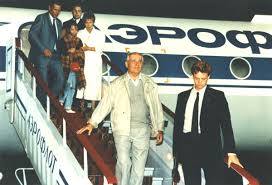
USSR President Gorbachev returns from Crimea to Moscow.
The Coup leaders are arrested, and the Coup ends.
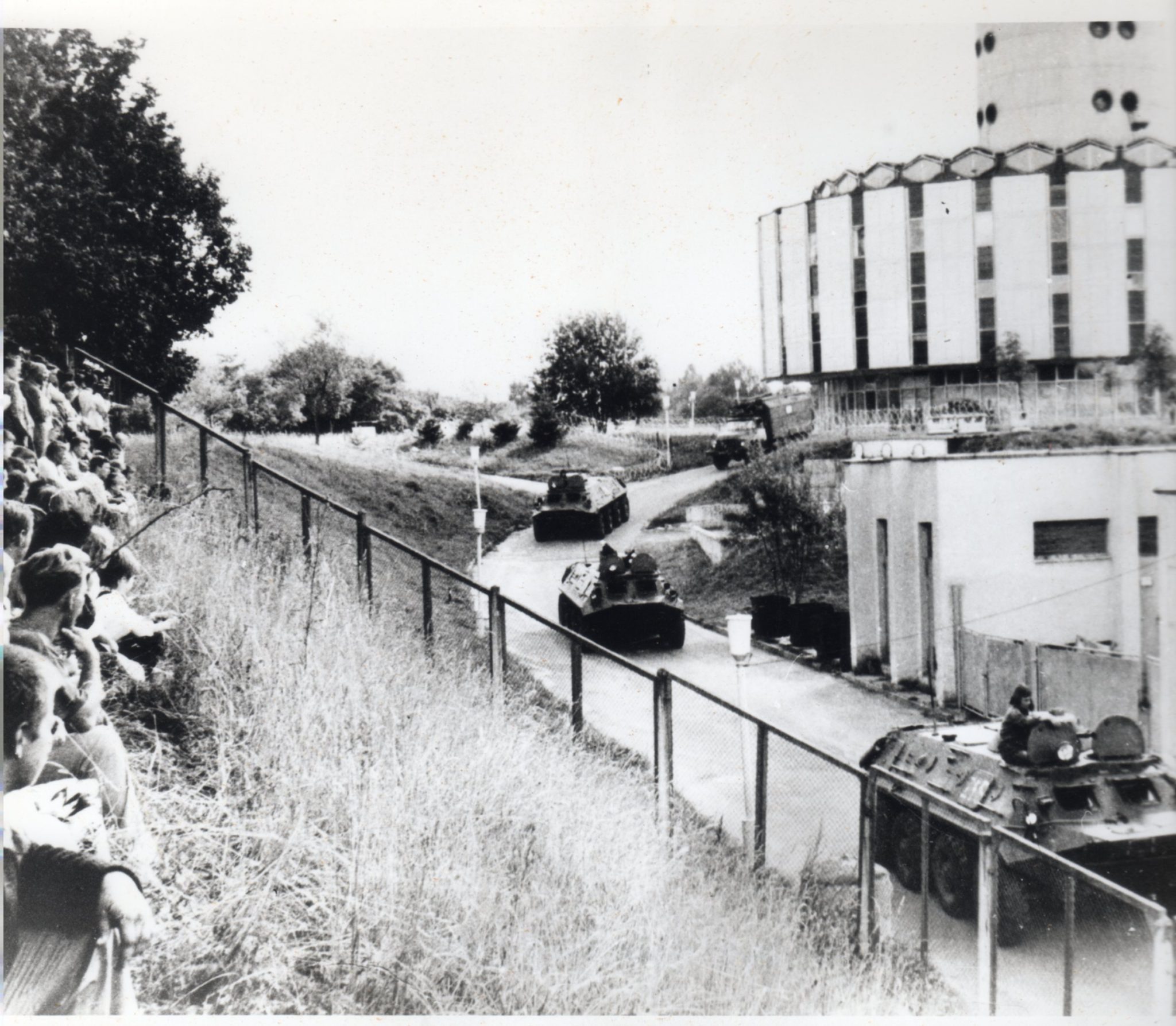
After Landsbergis gave Gorbachev an ultimatum to withdraw from the TV Tower, Gorbachev capitulated.
The Soviet military withdrew from the TV Tower without incident.
Over 30,000 Lithuanians showed up to witness the event and cheered when the last Soviet vehicle exited.
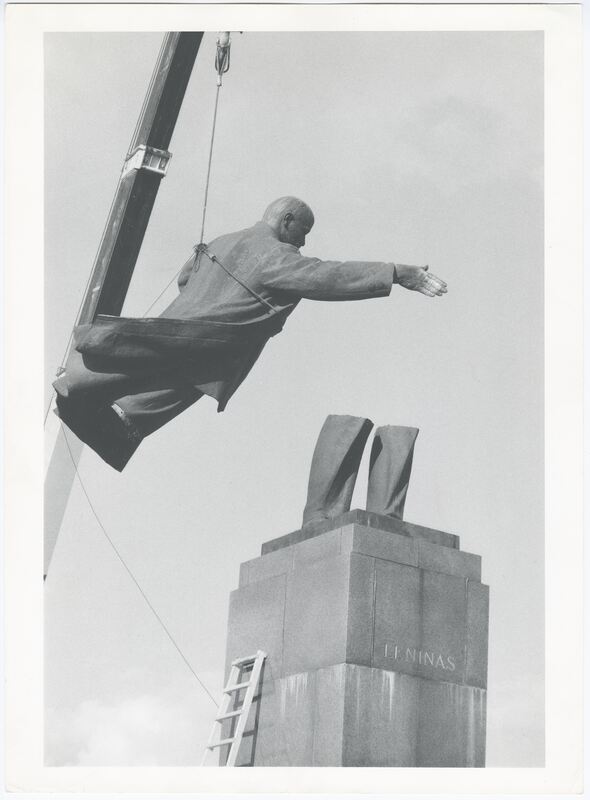
The crowd was unable to pull Lenin down from the massive granite pedestal, so they cut him at the knees…
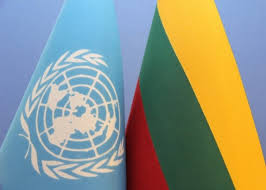
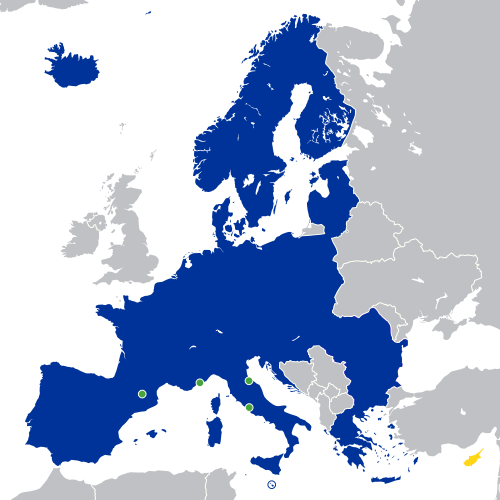
Lithuania, Latvia, and Estonia rejoined the world community of nations by becoming members of the United Nations.
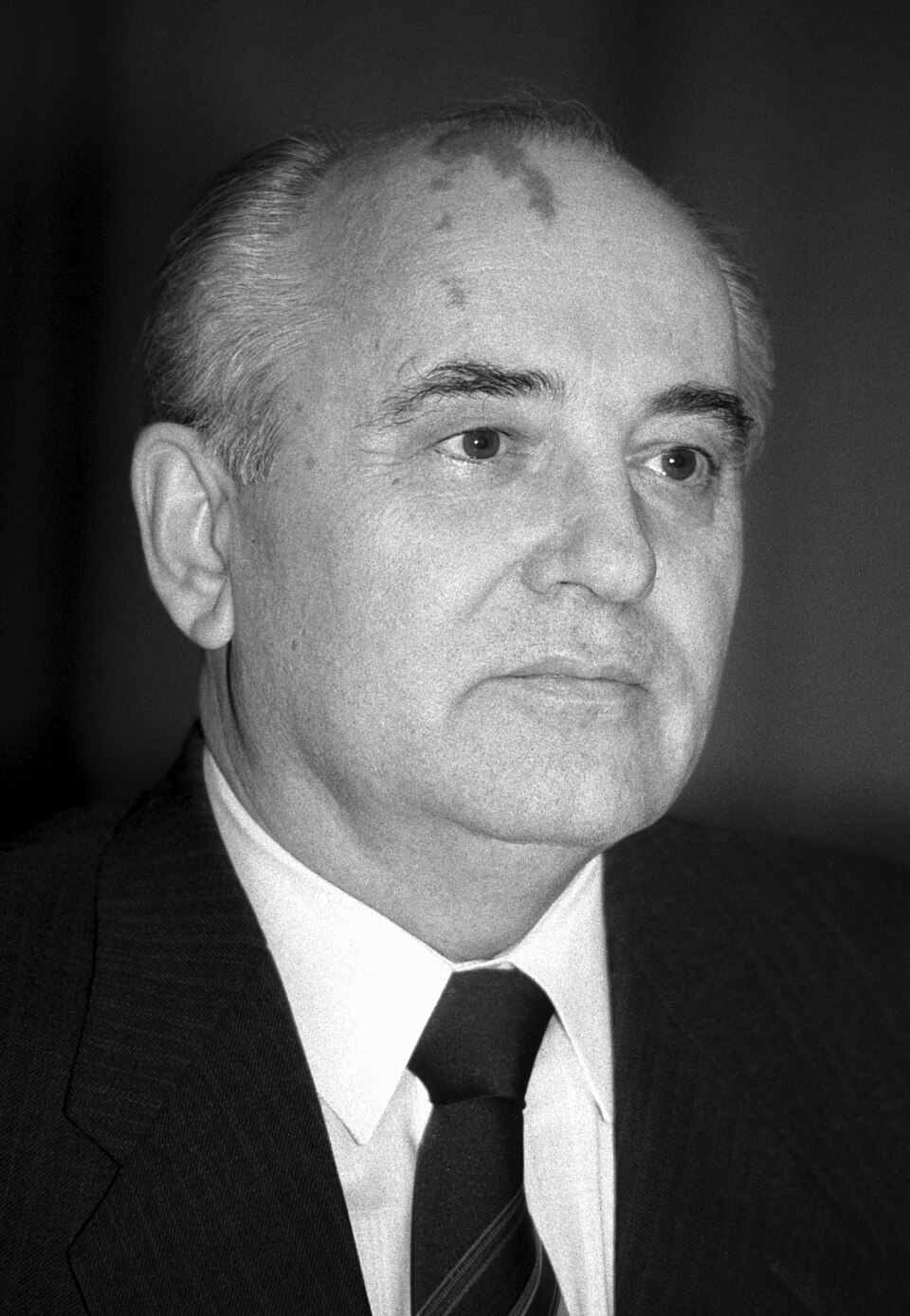
Mikhail Gorbachev delivered a televised national address announcing his resignation as President of the USSR.
The Soviet red flag atop the Kremlin was permanently lowered and replaced by the Russian tricolor flag.
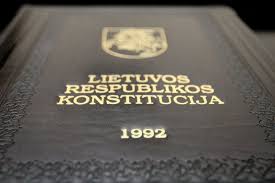
Voters approved the modern Constitution of the Republic of Lithuania via referendum (57% in favor).
On the same day, Lithuania held the first round of its first post-independence parliamentary elections. The democratic vote resulted in a surprise victory for the Democratic Labor Party of Lithuania (LDDP)—the reorganized former Lithuanian Communist Party led by Algirdas Brazauskas—as voters reacted against economic hardship.
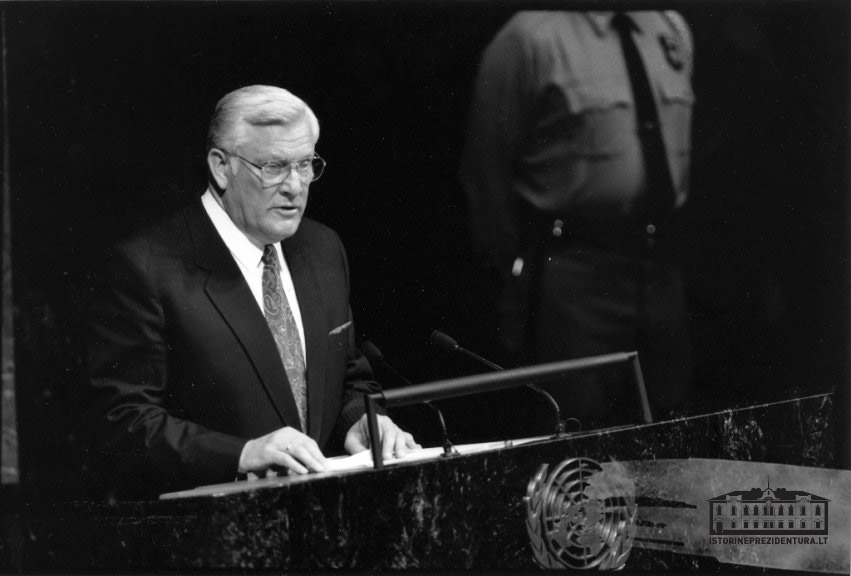
After independent Lithuania established a democratic constitutional government and the office of a president, citizens elected former communist reformer leader Algirdas Brazauskas. He served one term.
(Photo: atminimas.kvb.lt)
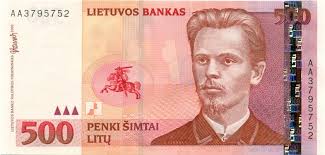
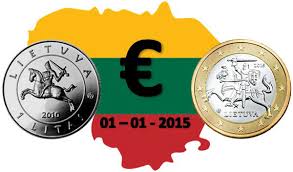
Lithuania reintroduces its pre-Soviet occupation national currency, the Litas.
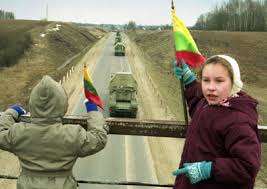
Following independence and after two years of negotiations, the final Soviet troops finally withdraw from the territory of Lithuania.
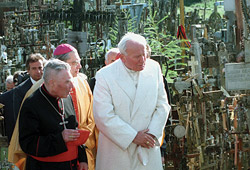
Pope John Paul II had been an active supporter of Lithuanian independence, and in his visit to Lithuania, he honored those who suffered under communist rule and provided encouragement for a brighter future.
Pope John Paul II visited the Vilnius Cathedral and the Gate of Dawn, The Hill of Crosses, The Shrine of Our Lady of Šiluva, Kaunas Cathedral Basilica, and the Trakai Church.
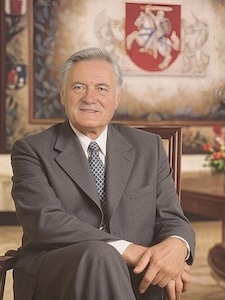
Valdas Adamkus was born in Lithuania but escaped during the Soviet occupation of Lithuania in WWII. As a displaced person, he emigrated to the United States, where he served in the U.S. Army and later worked at the Environmental Protection Agency. He returned to Lithuania after independence. He served two terms.

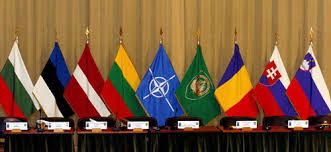
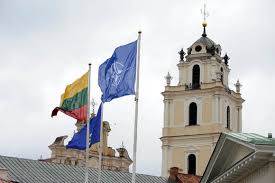
After ten years of reforms and other actions necessary for membership, Lithuania became a full member of NATO.
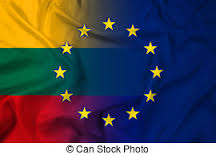
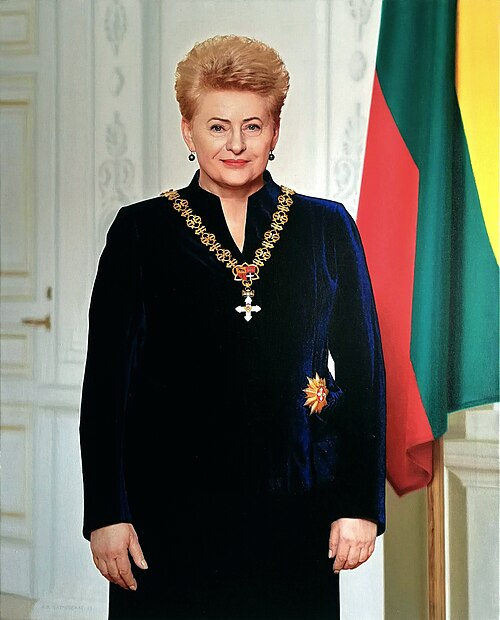
Dalia Grybauskaitė was elected to two terms, running as an independent. An economist and former Lithuanian Minister of Finance and European Commissioner for Finance Programming and Budget.
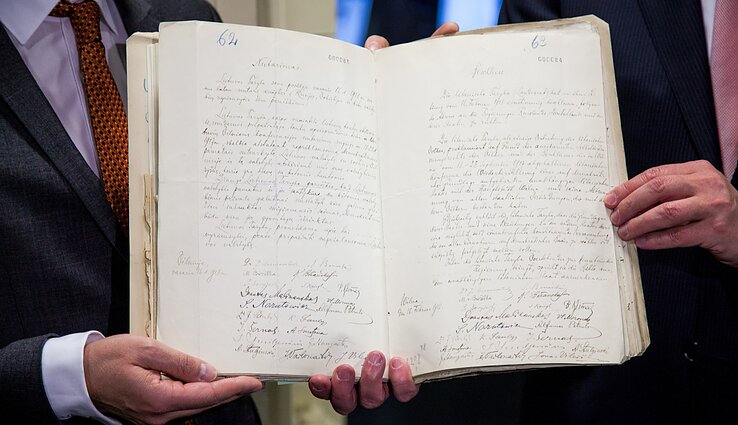
Liudas Mažylis, a political scientist at Vytautas Magnus University in Kaunas, found the original document in Germany’s State archives.
He found the original alongside a German translation.